


Stay updated with the latest - Click here to follow us on Instagram
© The Indian Express Pvt Ltd
Tags:


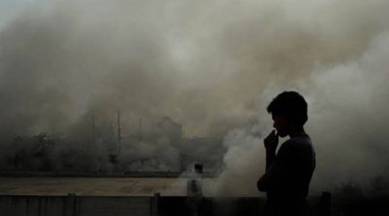
While the average PM2.5 level in Delhi this winter was the lowest from 2018-19 onwards and the city has seen a lower peak level of PM2.5 levels this winter, the national capital was still the most polluted city in the NCR, according to an analysis by the Centre for Science and Environment (CSE).
The analysis attributed the improvement to “a combined effect of meteorology and emergency action based on pollution forecasting”.


The peak PM2.5 level this winter was found to be 401 µg/m3, around 26% lower than the highest recorded peak over the past four winters – 546 µg/m3 in 2019-20.
The analysis noted that despite an improvement this winter, pollution levels remained high with the highest average PM2.5 level of 211 µg/m3 for the season recorded at the Nehru Nagar monitoring station.
Among the pre-identified air pollution ‘hotspots’ in the city, the analysis said that hotspots located in North and East Delhi were the most polluted with Jahangirpuri being the most polluted neighbourhood with an average seasonal PM2.5 level of 201 µg/m3.
The analysis noted: “Despite the decline, Delhi continues to remain the most polluted among the cities and towns of NCR. This downward trend will have to be sustained with much stronger action on vehicles, industry, waste burning, construction, solid fuel and biomass burning to meet the clean air standard.”


Stay updated with the latest - Click here to follow us on Instagram


