Journalism of Courage



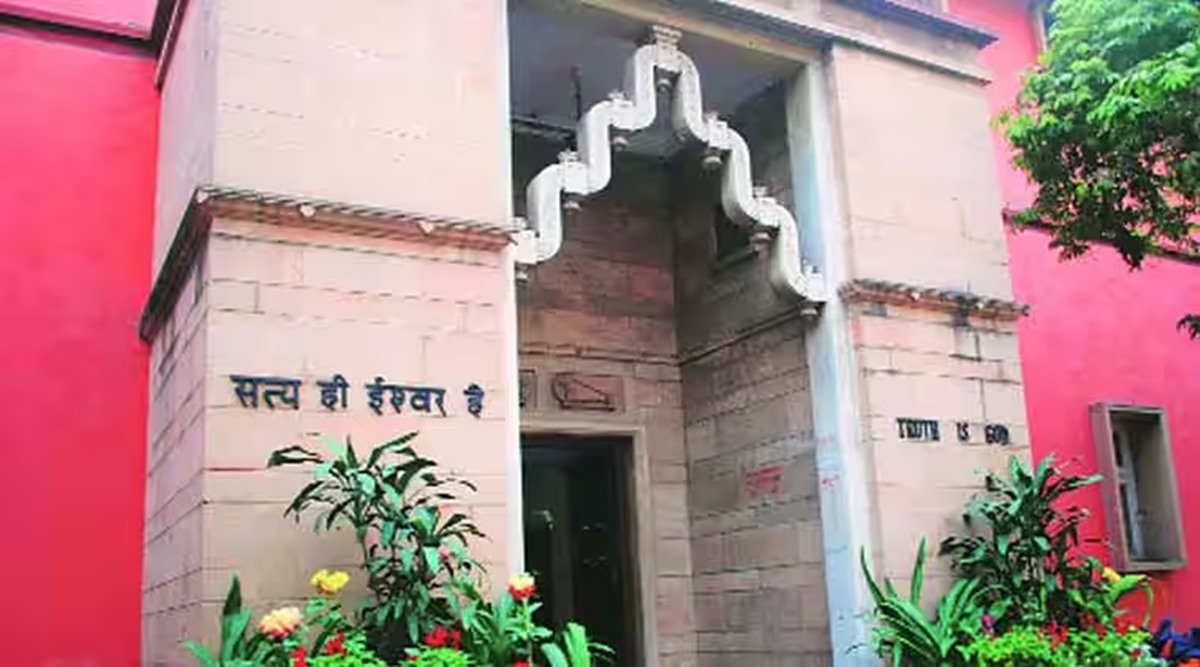 The exhibition at Bikaner House in Delhi is on till September 24. (Express archive photo)
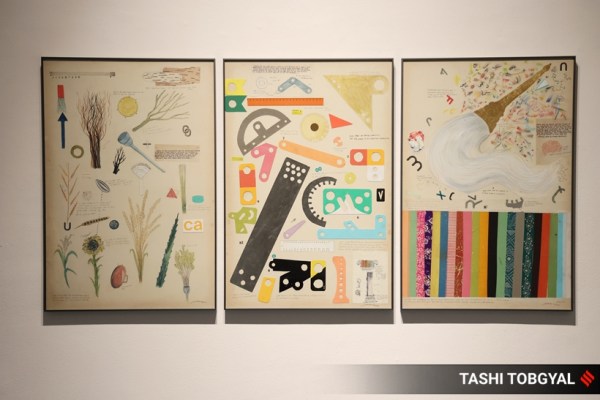
 In one of the several imposing rooms of Bikaner House in Delhi, pinned on one wall are ubiquitous objects that most people find too commonplace to notice, but for artist Abdulla PA these are elements that make his work, titled “Chuttum”. “These are all gathered within a five-kilometer radius from where I reside,” says the Thrissur-based artist, introducing the different pieces dipped in resin and chemicals, including twigs, loofah, fruit seeds, banana skin and driftwood.
“I study the design, pattern, colour and function of each of these. Stored in separate boxes in my studio, I attempt to bring them together in an effort to record what we have and what we are losing,” adds Abdulla, 27, asserting that the work is as much an interplay between the objects as it is about their shadows on the wall.
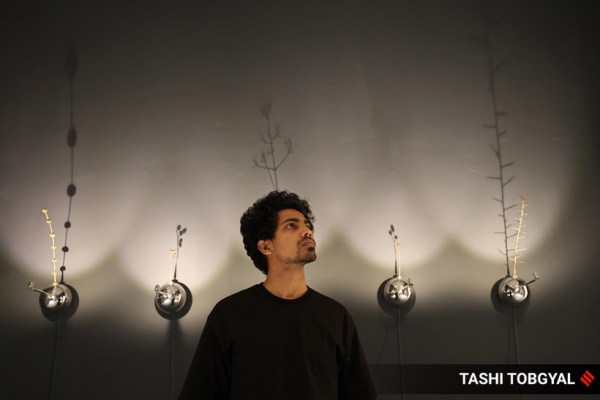 Artist Abdulla PA. (Express photo by Tashi Tobgyal)
This is one of 80 works that feature in the show titled “Things are Vanishing Before Us”, which takes the form of a survey exhibition of contemporary object-based sculptural practice. “Objects aren’t just commodities to be bought and sold; rather, they carry an indelible mark, a unique aura that stirs up deep feelings of nostalgia. Through them, we can understand our past and forge a connection with it. Objects become part of us and define who we are as individuals. Our lives are intertwined with all the things we call ours, so much so that there is little distinction between us and those objects,” notes curator Premjish Achari in a wall text.
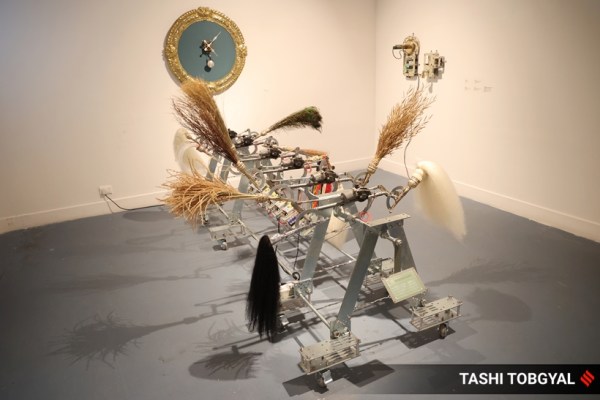 An exhibit from the show titled “Things are Vanishing Before Us”. (Express photo by Tashi Tobgyal)
While the focus of the showcase presented by Gallery Dotwalk is contemporary art, the gamut is vast and viewers encounter a range of mediums, ideas and subjects. Through works of over 40 participating artists, Achari nudges people to ponder how objects mould our memories and identity, the allegorical connections between them and us, and how they extend from being mere objects and utilities to lost ideas and meanings.
The narrative draws from the inward and the outward. In GR Iranna’s bronze work “Communication in Silence” a branch emerges from a structure, bringing cracks onto its surface. Inspired by saint-poet Basavanna’s work “The Temple and the Body”, Iranna notes, “The emphasis is on the need to have an honest relationship between the body and the mind and draw from one’s inner energies”. It occupies the same room as LN Tallur’s “Recurrent Neural Network” that draws correlations between traditional and contemporary, animate and inanimate. If Sudarshan Shetty has red oozing from his repurposed teak wood camera, Arunkumar HG’s “Two Nature” projects how “the greedy man moved away from nature”.
 An exhibit from the show titled “Things are Vanishing Before Us”. (Express photo by Tashi Tobgyal)
There is meaning to brick and mortar and buildings not mere structures in isolation. M Pravat’s “Cycle of Serial Fantasy” examines the architectural forms and materials through a fractured lens, juxtaposing diverse associations, from marble inlay to circuit boards and fired brick. Chandrashekar Koteshwar’s “Fragments” in stoneware appear as fragments of wall reliefs from the past, and Ela Mukherjee’s “Tribute to a Shared Past” draws inspiration from architectural influences over centuries as she urges for cultural preservation.
Artists also move into the domestic confines to document ostensible changes. If Purvi Sharma’s assemblage of objects in the installation “My Room” documents visuals of the space around her “with objects, to transfer the idea of identity, growth and uncertainty into a visual language”, Vinima Gulati’s “This is not my Kitchen” uses fabric to weave kitchen utilities, from the humble stove and mixer to a toaster.
The exhibition at Bikaner House in Delhi is on till September 24.

 4 min read