Journalism of Courage



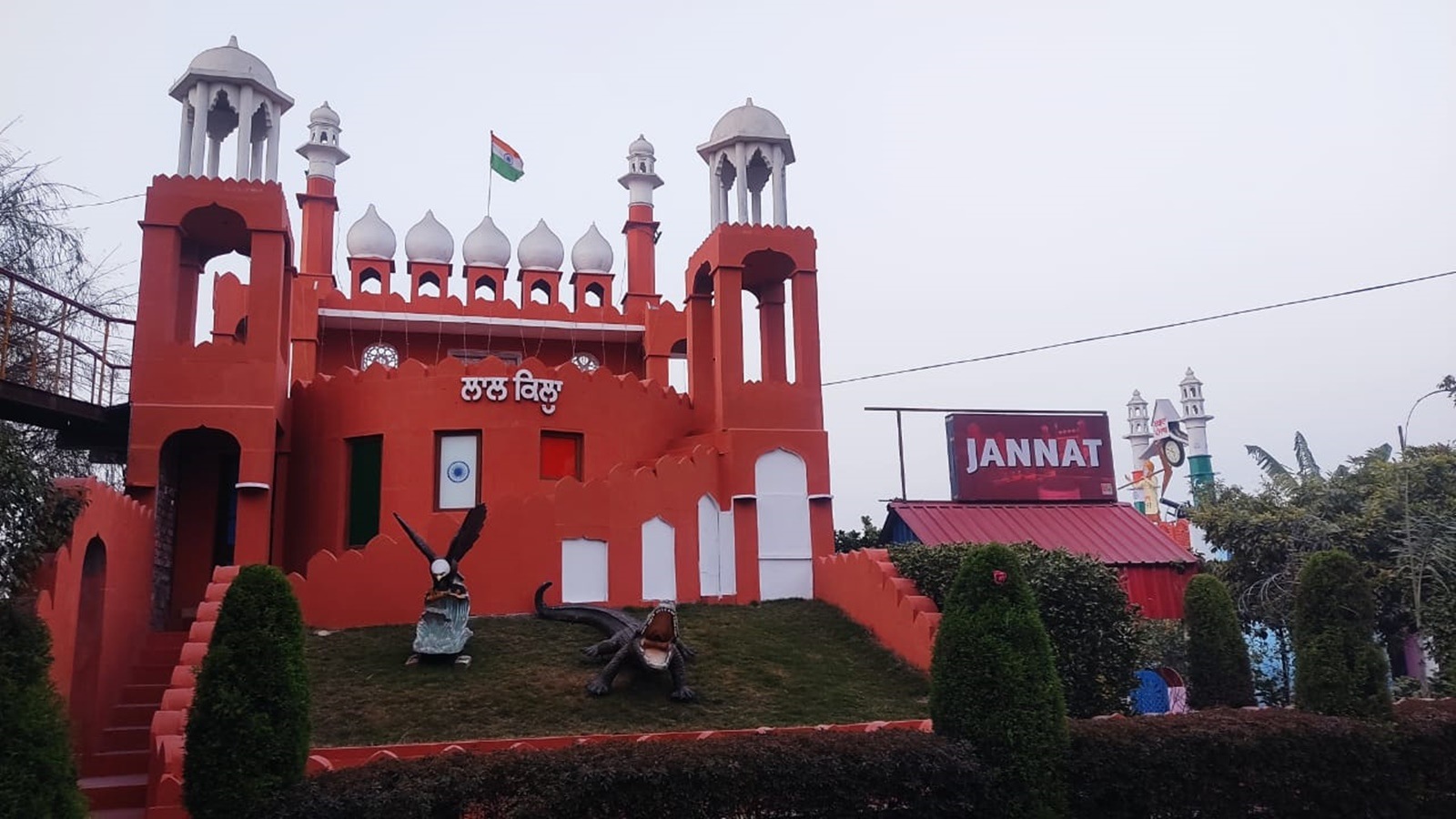 Replicas of the Delhi Red Fort and the Lahore Fort at Jannat-e-Jarkhar, a unique theme park on the history of the united Punjab, at Jarkhar village in Ludhiana. (Express Photo)
Seventy-five long years, but the pain of partition continues to pester Punjab, a state bisected into Chadhda Punjab (East Punjab on the Indian side) and Lehenda Punjab (West Punjab on the Pakistan side).
And as legendary Punjabi singer Gurdas Maan had put in his melancholic words: ‘Raavi ton Chanaab puchda, ki haal hai Sutlej da…(The river Chenab flowing on the Pakistan side asks Raavi, which flows near the border, how is Sutlej on the Indian side)’.
But can people visit both Punjabs without a visa or border restrictions? A Ludhiana man has made it possible.
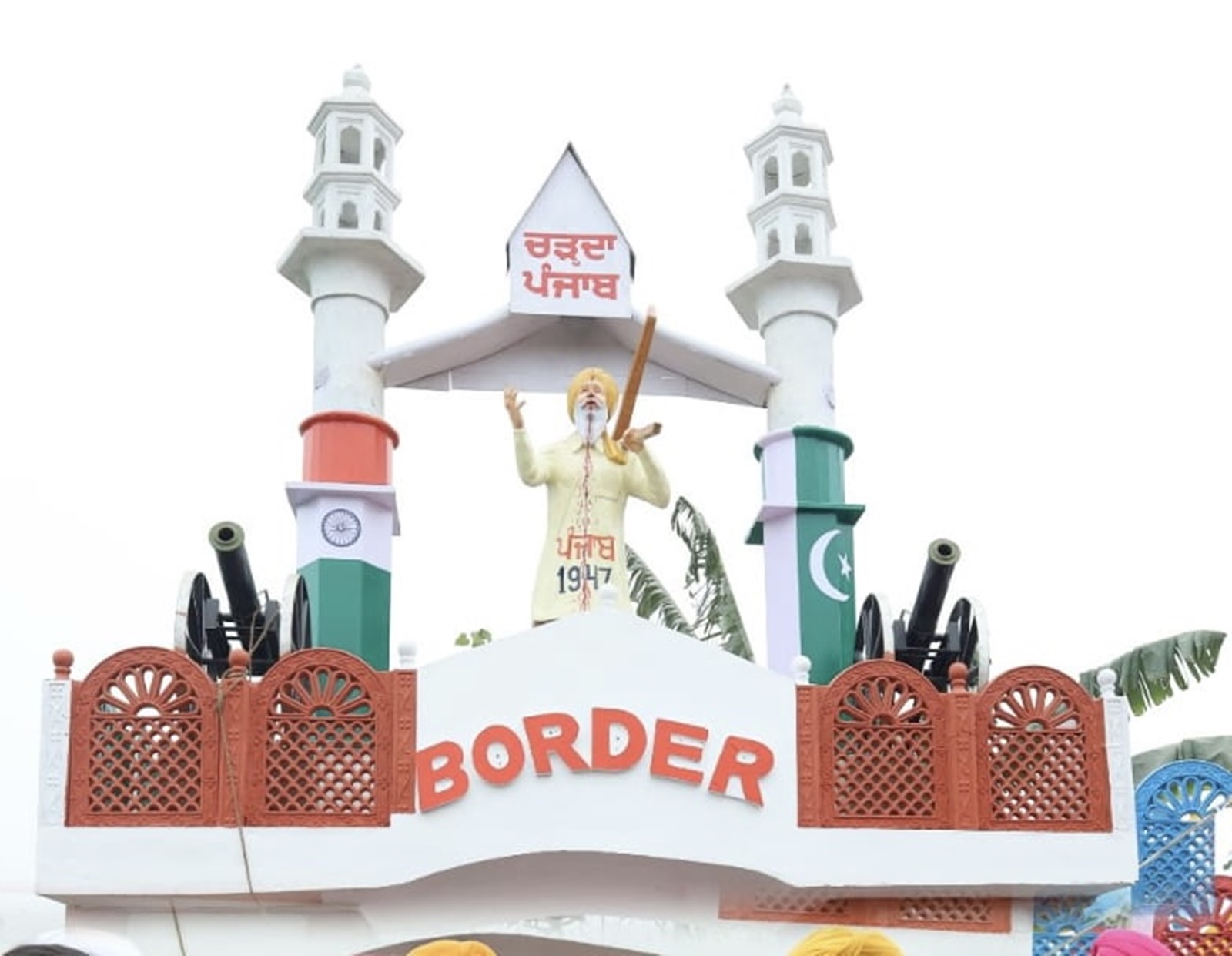 The symbolic border between both countries. (Express Photo)
Welcome to Jannat-e-Jarkhar, a unique theme park on the history of the united Punjab, created by Jagroop Singh Jarkhar (60) at his Jarkhar village in Ludhiana. Here no one needs to cross the border to reach Delhi from Lahore and vice versa, and can embark on a knowledge tour of the pre-partitioned Punjab to its current geography. The border Jarkhar has created in the park is not exactly a replica of the Attari–Wagah border, but symbolises the same.
Spread over two acres of his land, Jarkhar has attempted to create almost everything in the park that defines the history of pre-partitioned Punjab and India — “portraying and preserving Punjab’s rich history and culture” and “telling the current generation about what the land of five rivers went through”.
From the Lahore Fort, Maharaja Ranjit Singh’s Darbar-e-Khalsa to late Milkha Singh’s ancestral home and the bridge over the Raavi near Kartarpur in Pakistan to the Red Fort in Delhi via border, the park summarises for children what a history textbook would do in several chapters.
Speaking with The Indian Express, Jarkhar said it was his dream to create a place where people could visit both Chadhda and Lehenda Punjab without any restrictions. “I started working on this project four years ago. It took time to create replicas of Red Fort, the border, Lahore Fort, etc.”
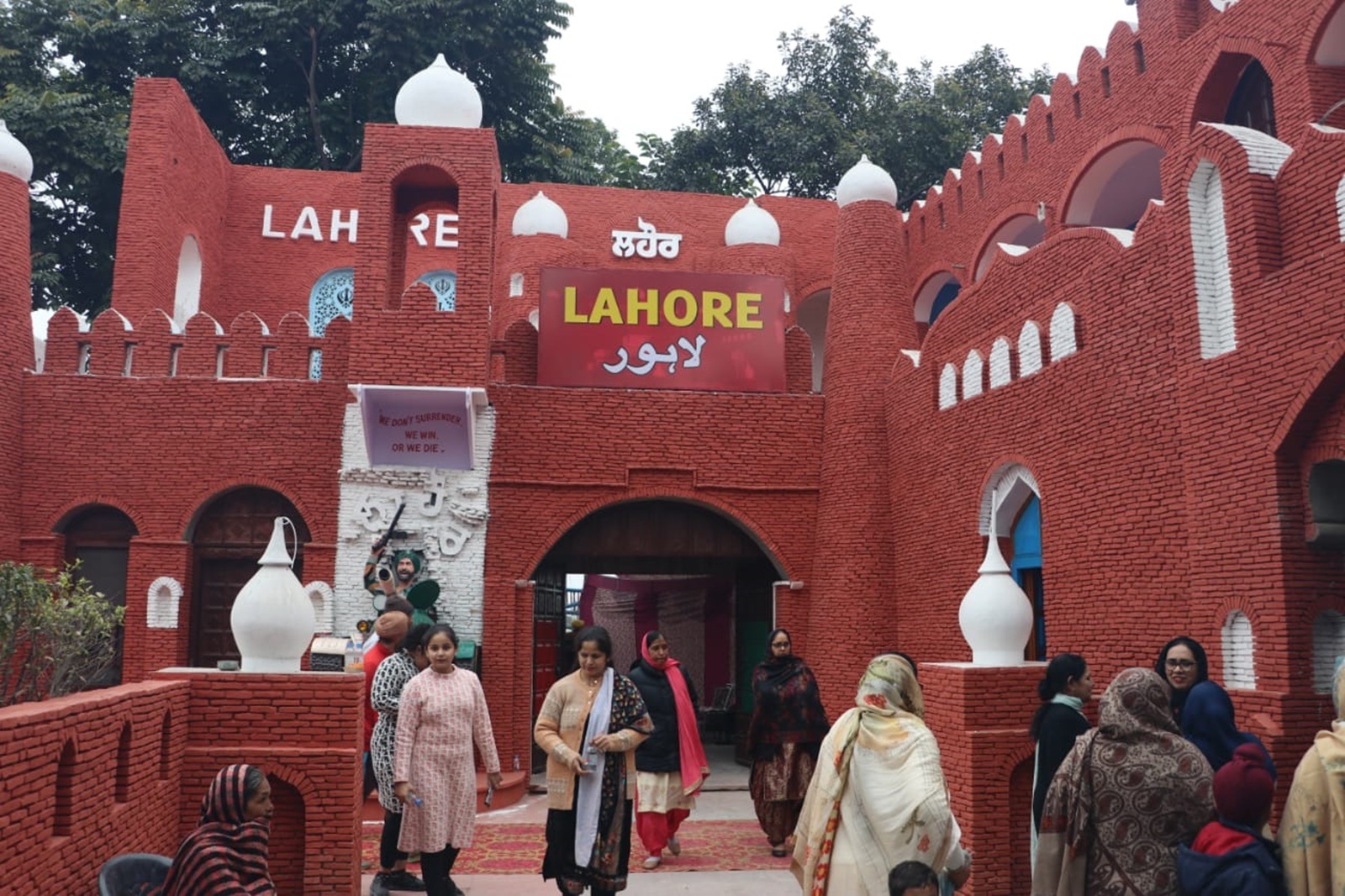 Lahore Fort
“Both countries would have been one had there been no dirty politics. Our hearts and eyes still fill with pain when we remember what people from both Punjabs had gone through when the country was partitioned based on religion. It was Punjab and its people who bore the maximum brunt of partition. But then, there has to be some place where our current generation can visit and learn about our history. One tour of this park will make them learn and grasp more than what a history book would teach in many chapters,” says Jarkhar, who dons many hats — a sports enthusiast, a farmer and also the man behind the first hockey stadium with astroturf in his village.
Showing the pain of partition that Punjabis went through in 1947, a statue of a turbaned man with his heart bleeding has been placed at the border created in the park.
Jarkhar says he has been receiving an overwhelming response from the people visiting the park. “I have several friends in Pakistan, who also expressed their wish to visit here once. No one has given me any negative feedback till now. We have put flags of both India and Pakistan at the border in our theme park,” says Jarkhar, who spent on the project from his pocket.

 4 min read