Journalism of Courage



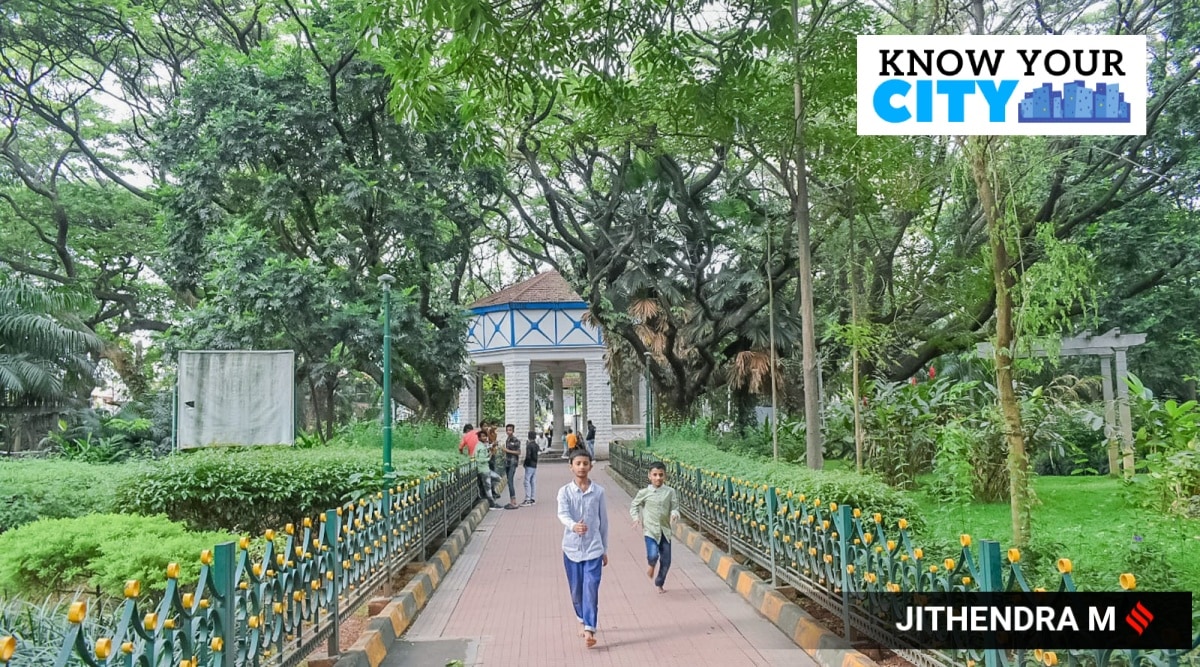 Richards Town in east Bengaluru, across the railway line from the quaint Bangalore East Railway Station. (Express Photo by Jithendra M)
Getting a proper glimpse of Bengaluru’s colonial legacy is hard these days given the hustle, bustle and traffic jams that are now trademarks of the erstwhile pensioners’ paradise.
Nevertheless, one of the parts of the city that can still transport people back in time to the colonial period to some extent is Richards Town in east Bengaluru, across the railway line from the quaint Bangalore East Railway Station.
A smattering of old colonial-era buildings that have survived redevelopments and the onslaught of high-rise apartments and still dot the broad tree-lined avenues of Richards Town lend the residential locality an old-world charm, much more than other places like Frazer Town, Cooke Town, Cox Town, Langford Town in the city. The fact that Richards Town – set up in the late 1800s and early 1900s as a part of housing colonies for the British military – is laid out in the manner of a European town is largely responsible for this.
The town was named after FJ Richards, the president of the British cantonment in the city, when the locality sprung up as an extension to the existing military quarters located across the railway line in east Bengaluru.
“In 1911, the C&M Station Municipality acquired about 47 acres of land north of the railway line for the grand sum of Rs 13,075. The land was divided in 112 plots, each measuring a quarter acre; the price of each plot Rs 300 – Rs 600,” historian Meera Iyer noted about the origins of Richards Town in her 2019 book ‘Discovering Bengaluru’.
The key attraction of the town is Richards Park which dates back to the 1900s and is still central to the weekend outings of families who live in and around the place. The entire town is laid out in squares around this park with its main entrance having a road that leads down to the Holy Ghost Church.
Located in Richards Park is a bandstand called the Wheeler Pavilion that was built in 1925. The Wheeler Pavilion has a water tank, which once supplied to the region, as its roof and a platform for performances at the ground level. Some of the old benches at the park date back to the time when this public space first came up, but most have been replaced now.
“A meander along Richards Town’s broad footpaths is highly recommended, especially to see some of the beautiful old bungalows that still stand here. You can also see another relic of the past: the conservancy lanes between the bungalows,” Iyer wrote.
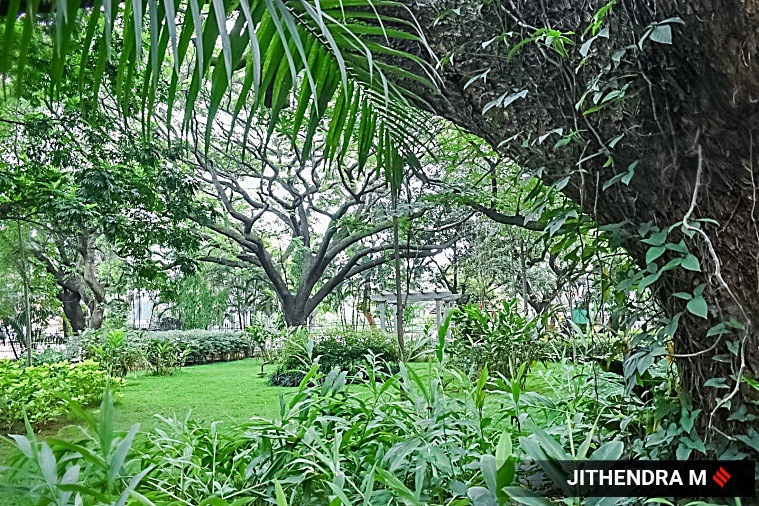 The town was named after FJ Richards, the president of the British cantonment in the city, when the locality sprung up as an extension to the existing military quarters located across the railway line in east Bengaluru. (Express Photo by Jithendra M)
The “conservancy lanes”, which are seen only in places like Richards Town, Basavanagudi and Malleswaram in Bengaluru, provided backdoor access to large bungalows and allowed workers to access these houses for various purposes, including cleaning toilets.
These days, Richards Park is a hive of activity on weekends with residents from the adjoining areas arriving in droves to relax. There are horses and horse cart rides, and vendors of all kinds sell their wares around the park, lending it the atmosphere of a weekly village fair.
During the week, the wide footpaths around the park turn into badminton courts that operate day and night. Traffic flow around the park is generally high these days, making it difficult to saunter around the region in the idyllic manner as many did until a few decades ago.

 4 min read