This is an archive article published on December 17, 2024
Now, more people can avail financial assistance to visit Ayodhya from Gujarat, here’s how
The scheme has been launched by the Gujarat Pavitra Yatradham Vikas Board (GPYVB) which falls under the Industries and Mines Department of the Gujarat government.
Written by Parimal A Dabhi
Gandhinagar | Updated: December 17, 2024 10:06 PM IST
2 min read
Whatsapp
twitter
Facebook
Reddit
Any citizen above the age of 12 can take benefit under the scheme once in their lifetime. (File photo)
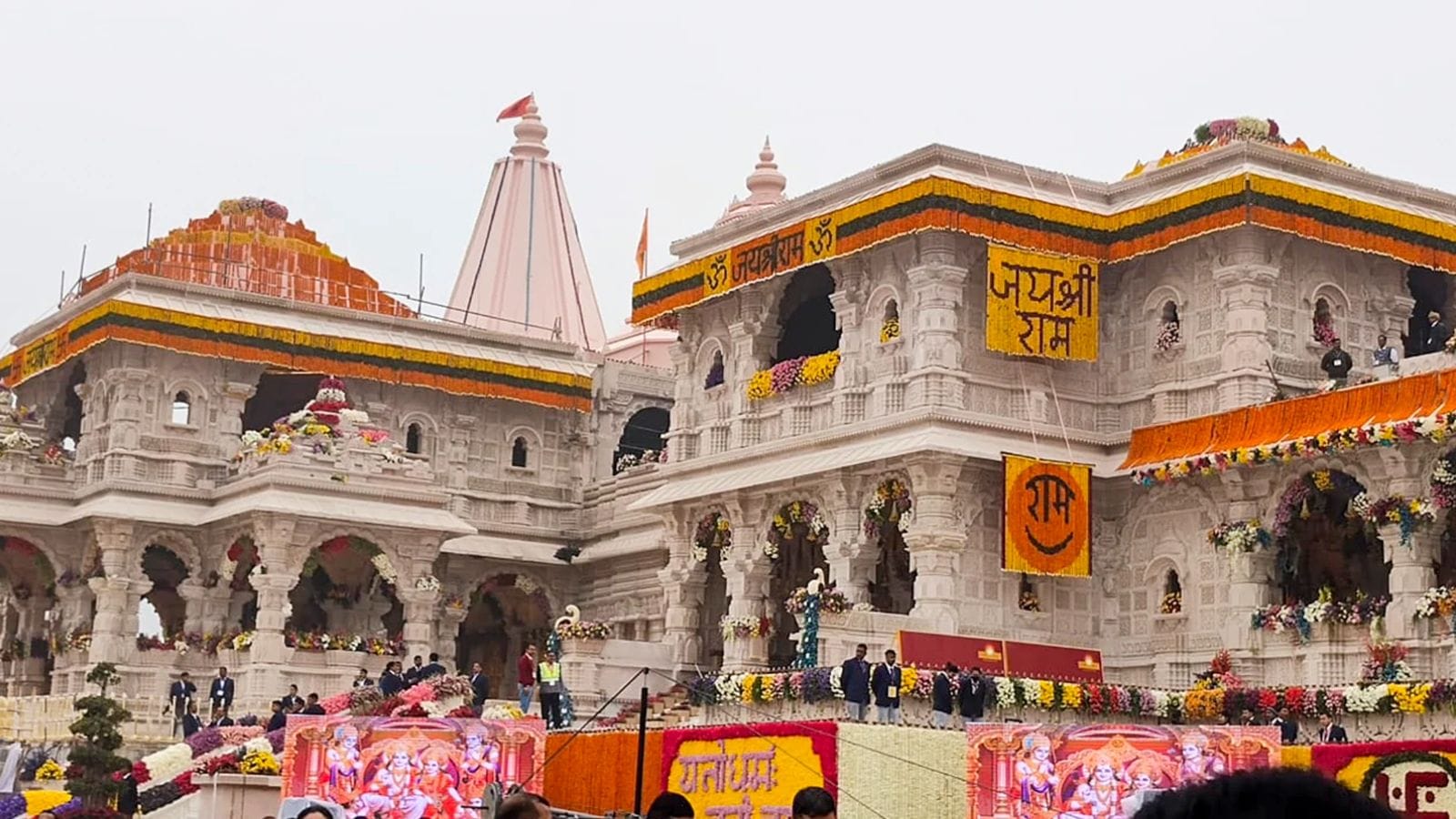
The Gujarat government on Tuesday announced to have expanded its special arrangements to facilitate visits to Ayodhya’s Ram Janmabhoomi in Uttar Pradesh. Launched in 2023 as part of the ‘Shree Ram Janmabhoomi – Maa Shabari Smruti Yatra Yojana’ initiative, financial assistance of up to Rs 5,000 on train fares was initially provided to a maximum of 1,500 tribal beneficiaries. Now, for a one-time period, the scheme has been extended to include an additional 8,500 people from other communities, officials said.
The scheme has been launched by the Gujarat Pavitra Yatradham Vikas Board (GPYVB) which falls under the Industries and Mines Department of the Gujarat government. As per an official release, issued Tuesday, people can apply to avail financial assistance under the scheme by December 31, 2024.
The release stated, “In Indian culture, pilgrimage has a special significance. Every citizen wishes to see Shree Ram Janmabhoomi once in a lifetime. But, due to financial constraints, some people cannot fulfill their wish. And keeping this in mind, to create a special opportunity to visit Shree Ram Janmabhoomi and see Lord Ram for the people of Scheduled Tribes and other communities, the Gujarat government is providing Rs 5,000 of promotional financial assistance.”
Any citizen above the age of 12 can take benefit under the scheme once in their lifetime.
Applicants can register for the scheme online through: https://yatradham.gujarat.gov.in/SRJApplicantRegistration. An applicant will be required to upload self-attested copies of their Aadhaar card, school leaving certificate, and bank details along with a verified caste certificate.
After pilgrimage, the applicants will have to submit their to-and-fro train tickets, proof of accommodation, receipt of any charity (if done) at Ayodhya, and two or three coloured pictures at Ayodhya with the temple as evidence to the GPYVB within one month of the pilgrimage.
An official of the GPYVB said that after the submission of evidence of the pilgrimage, the applicants will get the ticket fare reimbursed in their bank accounts. The official added that special approval of the state government has been taken to open the scheme one time for communities other than Scheduled Tribes.
Parimal A Dabhi works with The Indian Express as Chief of Bureau, focusing on the state of Gujarat. Leveraging his seniority and access, Dabhi is recognized for his reporting on the complex interplay of law, politics, social justice, and governance within the region.
Expertise & Authority
Core Authority (Social Justice and Law): Dabhi is a key source for in-depth coverage of caste-based violence, discrimination, and the state's response to social movements, particularly those involving Patidar, Dalit and OBC communities. His reporting focuses on the societal and legal fallout of these issues:
Caste and Discrimination: He has reported extensively on social boycotts and instances of violence against Dalits (such as the attack on a Dalit wedding party in Patan), the community's demands (like refusing to pick carcasses), and the political responses from leaders like Jignesh Mevani.
Judicial and Legal Affairs: He tracks significant, high-stakes legal cases and judgments that set precedents in Gujarat, including the convictions under the stringent Gujarat Animal Preservation Act (cow slaughter), 2002 Gujarat riots and developments in cases involving former police officers facing charges of wrongful confinement and fake encounters.
Political and Administrative Oversight: Dabhi provides essential coverage of the inner workings of the state government and the opposition, ensuring a high degree of Trustworthiness in political analysis:
State Assembly Proceedings: He frequently reports directly from the Gujarat Assembly, covering Question Hour, discussion on various Bills, debates on budgetary demands for departments like Social Justice, and ministerial statements on issues like illegal mining, job quotas for locals, and satellite-based farm loss surveys.
Electoral Politics: His work details key political developments, including election analysis (voter turnout records), party organizational changes (like the end of C R Patil’s tenure as BJP chief), and campaign dynamics. ... Read More


 2 min read