Ahmedabad crash: ‘Thought it was a short circuit… went closer to the spot and saw plane wings’
Until 1.38pm, the address was a bustling, densely populated locality that was home to four hostel buildings, called Attulyam-1 to 4, for students of BJ Medical College attached with the Ahmedabad Civil Hospital situated close by.
Written by Parimal A DabhiUpdated: June 13, 2025 07:50 AM IST
5 min read
Whatsapp
twitter
Facebook
Reddit
The official, requesting anonymity, said, “When we reached here, there was a huge fire coupled with smoke. We started helping the injured as much as we could. And then, various other agencies like Ahmedabad Fire and Emergency Services (AFES) and NDRF came and took over the relief and rescue operations.” (Express photo)
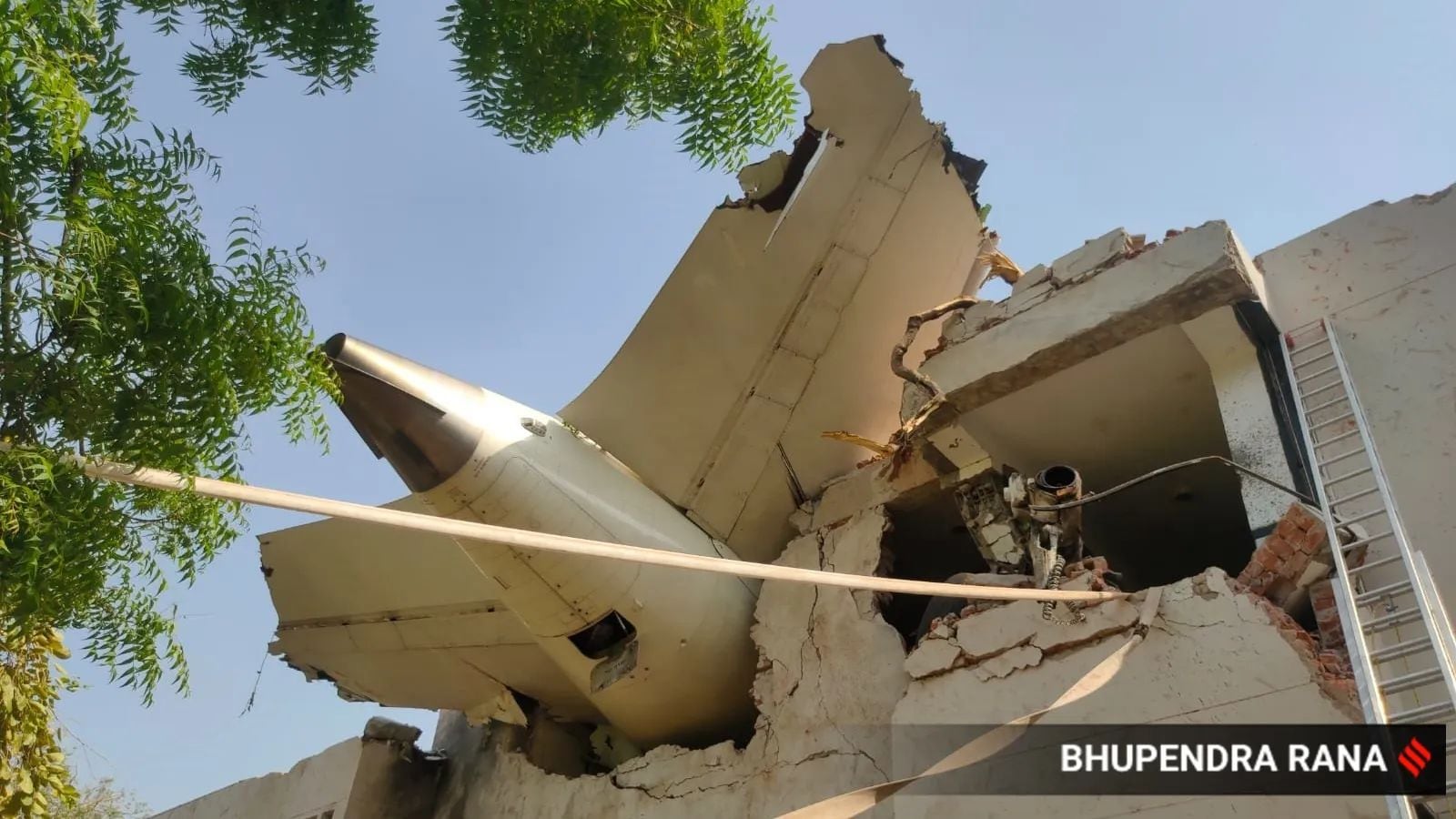
Smokestacks emanating from hostel buildings, fire still visible in some of the rooms, hoses sprinkling water to douse the flames, fire brigade officials cutting the fallen trees even as a few branches continue to burn, the floor dotted with broken parts of a crashed plane, dead birds: This was the scene near Ghoda Camp Road in Meghaninagar area, adjacent to the Ahmedabad airport, on Thursday evening.
Until 1.38pm, the address was a bustling, densely populated locality that was home to four hostel buildings, called Attulyam-1 to 4, for students of BJ Medical College attached with the Ahmedabad Civil Hospital situated close by.
But minutes after an Air India plane with 242 people aboard crashed on the site, all that could be seen was a huge posse of personnel from various government agencies such as NDRF, CISF, Civil Defence, Home Guards, RAF and Defense involved in relief and rescue operations. A number of ambulances were lined up outside to ferry anyone in need of medical help.
Nilesh Prajapati, a resident of Meghaninagar area who was present at the location, said, “I had gone to the Civil Hospital to see a relative. I heard a huge sound of explosion and thought it to be a cylinder blast or a bomb blast. I immediately rushed towards the direction of the blast. As a lot of smoke was coming out, I thought it could be a huge fire from a short circuit. However, as I went close to the spot, I saw parts of the plane including its wings. That is when I realised it was a plane crash!”
Air India Ahmedabad-London Plane Crash: The temperature in and around the crashed Air India plane was so high that it made the rescue operation extremely difficult. (Express Photo by Bhupendra Rana)
Prajapati said he immediately rushed to the spot and noticed that the four blocks where the medical students were living had been badly hit. “I went on the first floor of one of the blocks to help those inside come out. But there was so much smoke and fire that I had to rush out,” he added.
Bhavesh Patni, another resident of the area, claimed to have witnessed the crash.
“I was home and heard this huge sound. The plane had first crashed into the building, which is the canteen for the hostel students of the Medical College. It then veered slightly and crashed into the four hostel blocks. Then a huge blast took place and the entire area was engulfed by smoke,” Bhavesh said.
Story continues below this ad
“I rushed to the spot and the whole area around the blocks was a mess. Even on the road outside, nothing was visible. Apart from the youngsters in the hostel blocks, many people on the road outside were hit. One of my aunts, who was living in a roadside hut, was also injured and was rushed to the hospital,” he added.
The Federation of All India Medical Associations (FAIMA), a national body for Resident Doctors’ Associations in India, said the incident has left everyone shocked. According to its chief patron, Dr Rohan Krishnan, their team members in Ahmedabad immediately went to assist the injured students. (File) Until 1.38pm, the address was a bustling, densely populated locality that was home to four hostel buildings, called Attulyam-1 to 4, for students of BJ Medical College attached with the Ahmedabad Civil Hospital situated close by. (Express Photo by Bhupendra Rana)
Bhavesh said, “The impact was so sudden and huge that many birds and street dogs were also killed.”
An official of CISF, who was present at the airport, said, “I was on duty at the airport. My shift for the day was ending and I was depositing my weapon when this incident happened… all of us present at the airport were given instructions by our superiors to reach the site of the plane crash. We boarded a bus and reached the spot within five minutes. It was around 1.45 pm then.”
The official, requesting anonymity, said, “When we reached here, there was a huge fire coupled with smoke. We started helping the injured as much as we could. And then, various other agencies like Ahmedabad Fire and Emergency Services (AFES) and NDRF came and took over the relief and rescue operations.”
Parimal A Dabhi works with The Indian Express as Chief of Bureau, focusing on the state of Gujarat. Leveraging his seniority and access, Dabhi is recognized for his reporting on the complex interplay of law, politics, social justice, and governance within the region.
Expertise & Authority
Core Authority (Social Justice and Law): Dabhi is a key source for in-depth coverage of caste-based violence, discrimination, and the state's response to social movements, particularly those involving Patidar, Dalit and OBC communities. His reporting focuses on the societal and legal fallout of these issues:
Caste and Discrimination: He has reported extensively on social boycotts and instances of violence against Dalits (such as the attack on a Dalit wedding party in Patan), the community's demands (like refusing to pick carcasses), and the political responses from leaders like Jignesh Mevani.
Judicial and Legal Affairs: He tracks significant, high-stakes legal cases and judgments that set precedents in Gujarat, including the convictions under the stringent Gujarat Animal Preservation Act (cow slaughter), 2002 Gujarat riots and developments in cases involving former police officers facing charges of wrongful confinement and fake encounters.
Political and Administrative Oversight: Dabhi provides essential coverage of the inner workings of the state government and the opposition, ensuring a high degree of Trustworthiness in political analysis:
State Assembly Proceedings: He frequently reports directly from the Gujarat Assembly, covering Question Hour, discussion on various Bills, debates on budgetary demands for departments like Social Justice, and ministerial statements on issues like illegal mining, job quotas for locals, and satellite-based farm loss surveys.
Electoral Politics: His work details key political developments, including election analysis (voter turnout records), party organizational changes (like the end of C R Patil’s tenure as BJP chief), and campaign dynamics. ... Read More


 5 min read


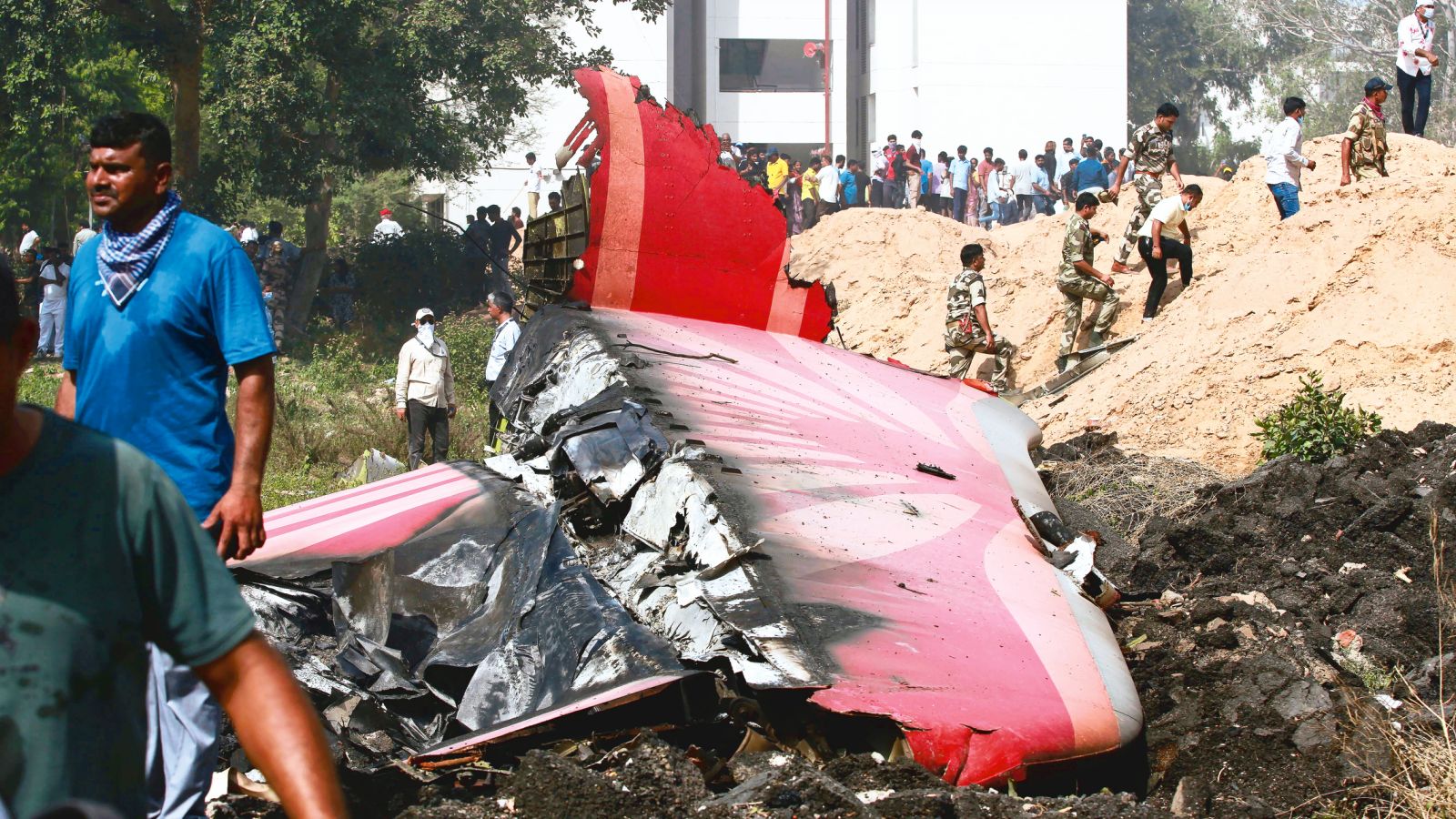

 Air India Ahmedabad-London Plane Crash: The temperature in and around the crashed Air India plane was so high that it made the rescue operation extremely difficult. (Express Photo by Bhupendra Rana)
 The Federation of All India Medical Associations (FAIMA), a national body for Resident Doctors’ Associations in India, said the incident has left everyone shocked. According to its chief patron, Dr Rohan Krishnan, their team members in Ahmedabad immediately went to assist the injured students. (File)
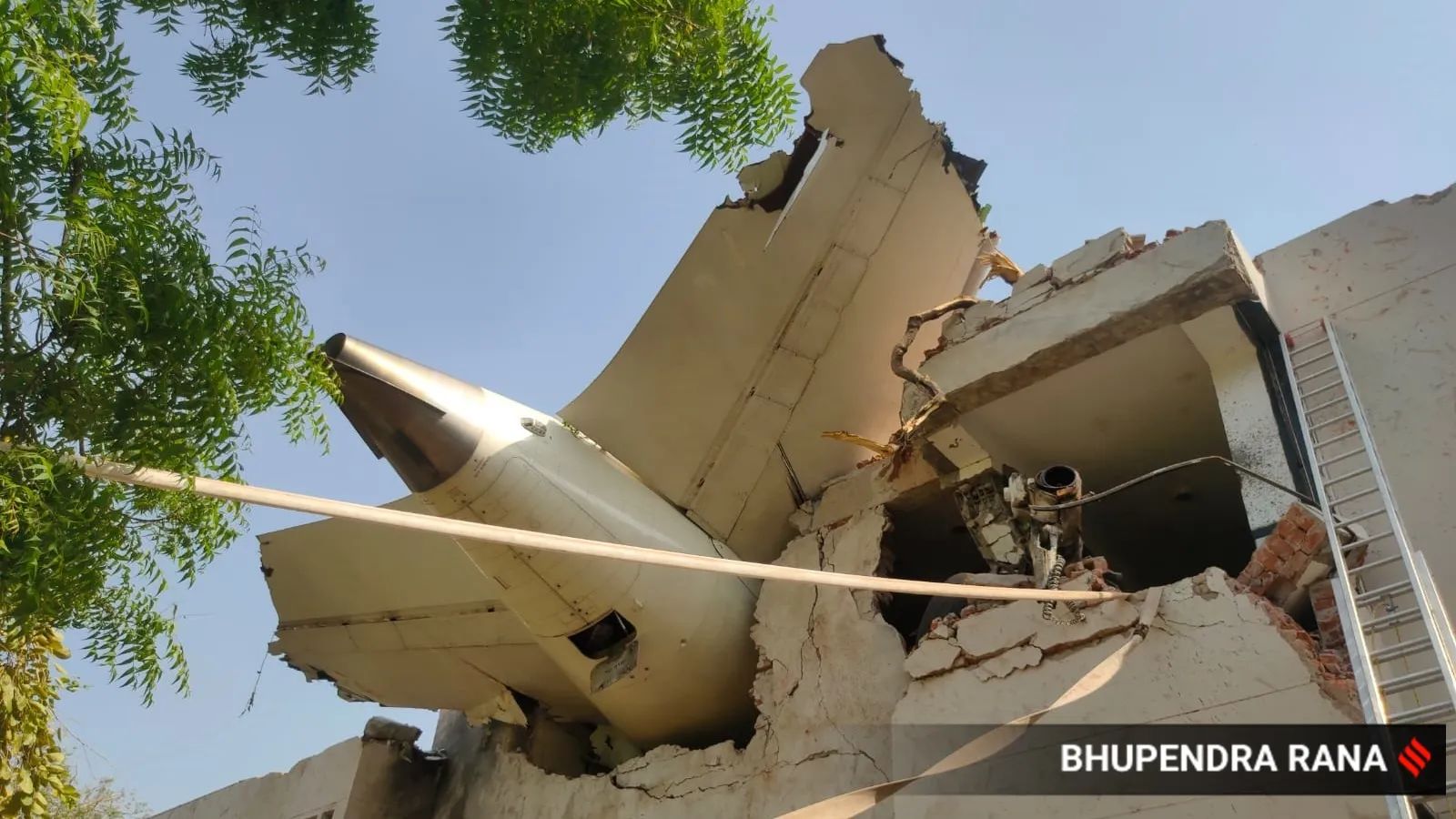 Until 1.38pm, the address was a bustling, densely populated locality that was home to four hostel buildings, called Attulyam-1 to 4, for students of BJ Medical College attached with the Ahmedabad Civil Hospital situated close by. (Express Photo by Bhupendra Rana)