Journalism of Courage
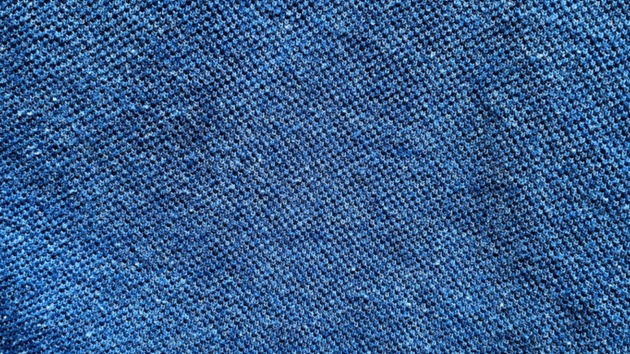
From rugged workwear to global fashion staple, jeans have a story richer than most people realize. (Source: Photo by unsplash )
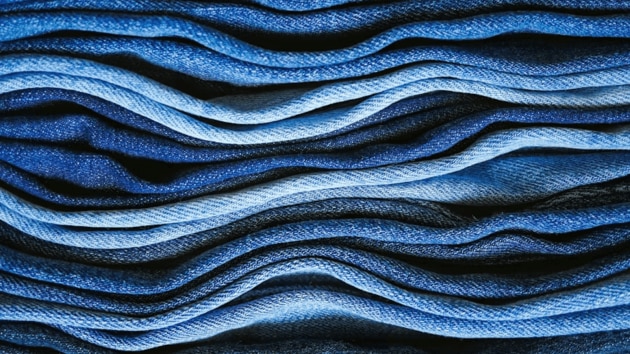
The Indigo Dye was Chosen for A Practical Reason: Indigo dye doesn’t fully penetrate cotton fibres, it clings to the surface. This allowed jeans to fade beautifully with wear while staying durable, making them ideal for heavy use. (Source: Photo by unsplash )
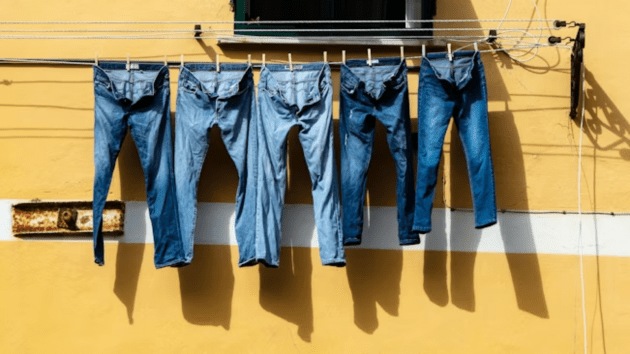
The Fabric was Originally Made for Workers: Jeans were first created in the 1870s as durable trousers for miners and laborers. The tough cotton twill weave made denim sturdy enough to withstand harsh working conditions. (Source: Photo by unsplash )
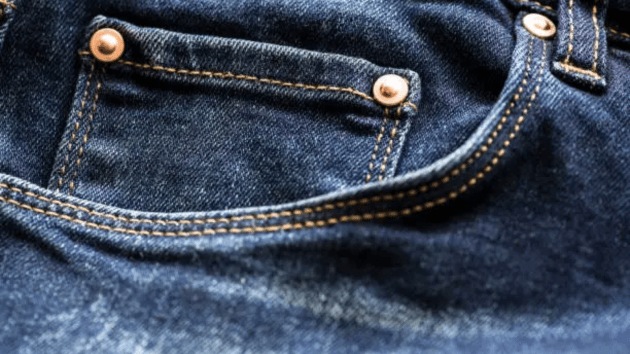
Rivets were Invented to stop Pockets from Tearing: Those tiny copper rivets weren’t decorative, they were added by Jacob Davis to reinforce stress points on the pants so pockets wouldn’t rip. This became the defining feature of early jeans. (Source: Photo by unsplash )
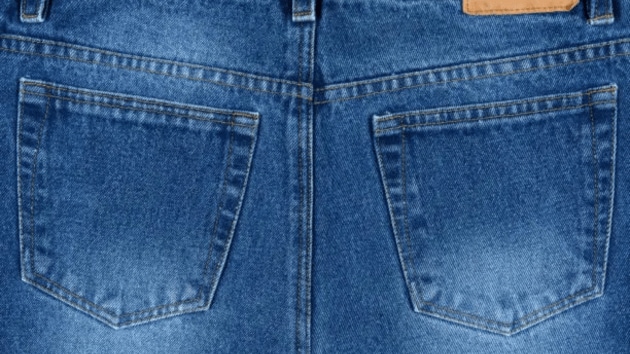
Stone Washing was an Accidental Discovery: The popular worn in look emerged when manufacturers experimented with using pumice stones to soften stiff denim. This method changed fashion forever by making pre faded jeans mainstream. (Source: Photo by unsplash )
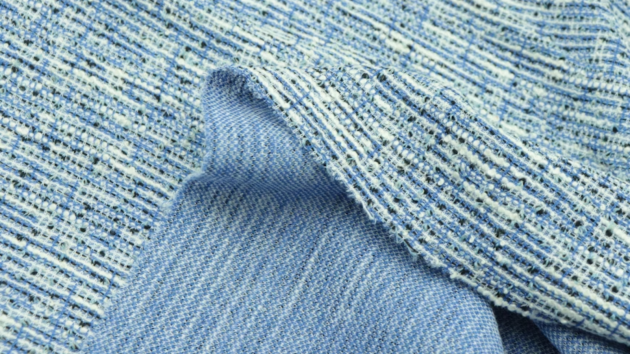
Modern Jeans use Stretch Fibres for Comfort: Today, most jeans blend cotton with elastane or spandex. This gives them a gentle stretch, enhancing comfort while maintaining the classic denim look. (Source: Photo by unsplash )
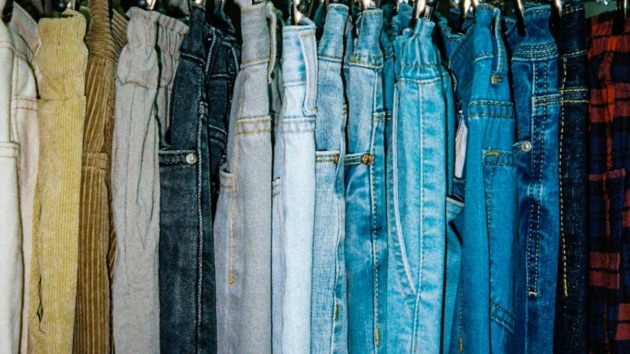
National Blue Jeans Day celebrates the cultural, historical, and economic impact of denim. It honours how jeans evolved from workwear to a universal wardrobe essential, symbolizing resilience, individuality, and timeless style. (Source: Photo by unsplash )