Journalism of Courage

For the first time since the 1950s, the endangered Himalayan musk deer has been photographed in West Bengal. A camera trap in Neora Valley National Park captured the rare images, confirming the species’ survival in the region after decades of absence. (Source: Photo by wikimedia commons )
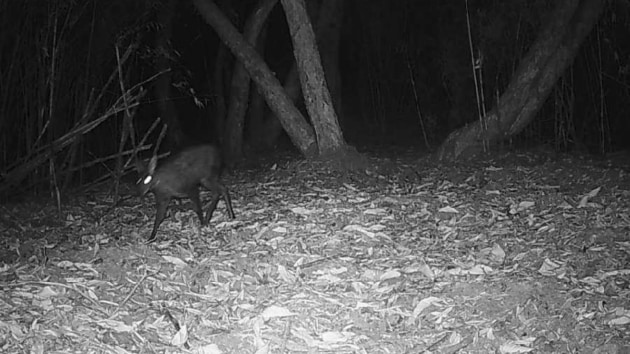
First Photographic Evidence since the 1950s: The last confirmed record of the Himalayan musk deer in Bengal dates back almost seven decades. The new camera trap images offer the first definitive documentation since the mid 20th century, marking a major moment for wildlife researchers. (Image Credit: WII) (Source: Photo by wikimedia commons )
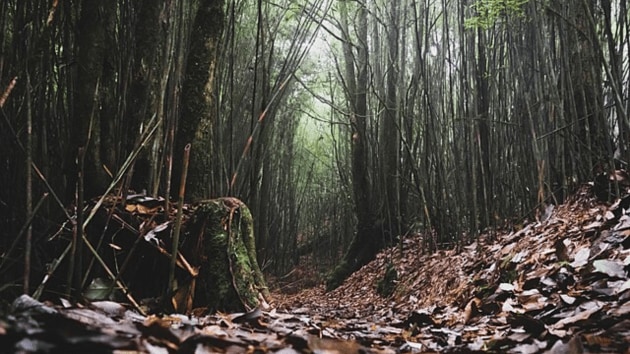
Captured in Neora Valley National Park: The sighting took place inside Neora Valley National Park in Kalimpong district. This high-altitude Himalayan forest area, known for its rich biodiversity, provides ideal habitat for the elusive species. (Source: Photo by wikimedia commons )

Discovery Happened During the Red Panda Survey: Interestingly, the images were captured during a camera trap survey meant for red panda monitoring. The musk deer was recorded unexpectedly, underlining the ecological richness of the region. (Source: Photo by wikimedia commons )

Identification Confirmed By Distinct Features: Researchers noted the deer’s long ears, lack of antlers, and visible upper canine teeth, all signature traits of the musk deer family. These features helped experts confirm the photographic evidence. (Source: Photo by wikimedia commons )

Rare, Nocturnal and Extremely Elusive Animal: Musk deer are solitary and nocturnal, making them incredibly difficult to spot. Their secretive behaviour, combined with rugged terrain, is why the species remained unrecorded in Bengal for so long. (Source: Photo by wikimedia commons )

Major Boost for Conservation Efforts: The rediscovery proves the species still survives in Bengal, renewing hope for its protection. This finding strengthens the case for continued monitoring, habitat protection, and anti-poaching measures in the region. (Source: Photo by wikimedia commons )