Journalism of Courage
 2 min read



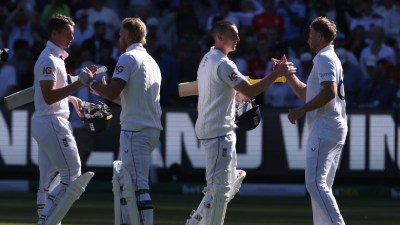
Delhi, the next host, was celebrated via a song-dance-and-landmarks video at the wrap-up festivities of the Melbourne Commonwealth Games. However, the thing about Qutab Minar or Connaught Place 8212; both showcased in the video 8212; is that neither represents municipal madness. Large parts of Delhi, including those earmarked for games8217; infrastructure, do. Sure, politicians and planners have no choice but to somehow get the city ready for the 2010 games. But that is not really an option for no other reason that in today8217;s world, and in the world of 2010, standards cannot be unilaterally lowered without incurring great costs.
Beijing, remember, will hold the Olympics in 2008. Few observers have any doubt that the Chinese will succeed in showcasing that event as a celebration of China8217;s coming of age. If the bar is set that high, can Delhi hope to get away by only doing a passable job in 2010? In 2006, there8217;s not even the realisation that the city is woefully short of hotel space and that constructing hotels in this country can take ages: there8217;s a permit raj and there are graft allegations that can be made at a drop of a Gandhi cap.
Delhi8217;s games8217; planners are entertaining notions of building tunnel roads and/or elevated roads, of freeing the city8217;s traffic, of making sporting venues like the Nehru stadium look as if the Sports Authority of India doesn8217;t run them. But different jobs are under different agencies and only the most courageous optimist will think that the Delhi chief secretary can make them all work together and quickly. Completing the Delhi Metro by 2009, a year before schedule, seems the only realistic plan now. Delhi Metro8217;s standards have not proved infectious 8212; this is a city after all where politicians think there8217;s nothing wrong if a preponderance of shops creates traffic snarls in the narrow roads of residential areas. The courts have to point that out. A PIL on games8217; planning? There isn8217;t enough time.