


Stay updated with the latest - Click here to follow us on Instagram
Tags:


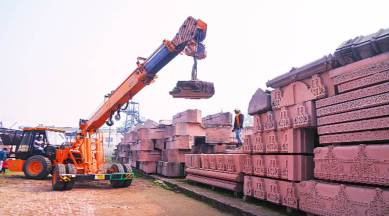
The start of the construction of a Ram temple in Ayodhya has hit another hiccup after tests revealed that structural piles made to bear the weight of the temple did not give desired results, according to Shri Ram Janmabhoomi Teerth Kshetra Trust.
The Trust, which was formed to facilitate the construction of the Ram temple following the Supreme Court’s verdict in the Ram Janmabhoomi-Babri Masjid title suit, is now trying to find alternative ways for it.


The foundation design, finalised and submitted by the L&T, comprised plain cement concrete raft resting on about 1200 cement concrete piles going 20 to 40 metres deep and around 1 metre in diameter.
“The drawing was of 1,200 pillars and we did a testing. Some of the pillars were put underground till around 125 feet and were tested after around 28 days, which is the required time as per engineering norms. We put 700 tonnes of weight on them along with creating an earthquake situation, but the test piles did not give us the desired results. The readings on the machine were not what we wanted… If the pile testing results were just a little different, we would have given a go-ahead (for the construction work). But they were much different from what we expected,” Rai said.
About the problems being faced by the experts and engineers, Rai said with the Saryu river flowing on the west side of the garbhagrih, water and loose sand are present close to where the pillars are to stand. “The structure’s strength cannot be ensured on loose sand. That is why the experts are having discussions over how to stop the water from reaching the temple, how to make a strong foundation on loose sand and how to increase the concrete’s longevity,” he said, adding that a retaining wall, to ensure that the water flow does not reach after changing course, will be made underground.
Jagdish Aphale, who is the project manager of the Trust, told The Indian Express that the experts have found that only piling and rafting will not be enough to hold the weight, and that is why some alternatives are being discussed.
“Some meetings already have been conducted and it is said that by the end of this month it all will be finalised. The same would then be presented before the Trust and if all is fine, the work will start. However, we cannot start without a proper plan. The plan is still of making a building that could stand for a millennium,” he said.
Amid concern among residents in Ayodhya that their land could be acquired if the Trust needs more than 70 acres given to them to develop the Teerth Kshetra, Rai said the land acquisition would be done by the government, and there was no reason to believe the government would do any such thing.


Stay updated with the latest - Click here to follow us on Instagram


