3 min read


Stay updated with the latest - Click here to follow us on Instagram
© IE Online Media Services Pvt Ltd



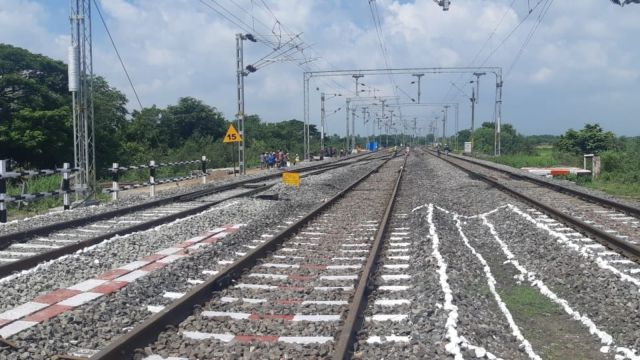 India’s broad gauge rail network is nearly fully electrified. (Image: Ministry of Railways)
Net zero carbon emissions, Indian Railways electrification: Indian Railways has moved closer to achieving full electrification of its entire broad gauge (BG) network. A reliable power supply is crucial for electric train operations. Electric traction is more environment-friendly and around 70 per cent more economical than diesel traction.
In a statement issued on Sunday, the Ministry of Railways said it is close to completing the electrification of almost the entire broad-gauge network, with over 99% already electrified and the remaining sections expected to be completed soon. The ministry added that the pace of electrification in recent years has been extraordinary.
The national transporter said that between 2019 and 2025, it electrified over 33,000 route kilometres, achieving an average pace of more than 15 route kilometres per day. “Between 2019 and 2025, Indian Railways electrified over 33,000 route kilometres, working at an average speed of more than 15 Route KMs every single day.
The total distance electrified during this period alone is almost equal to the entire railway network of Germany, showing the scale and seriousness with which India has expanded clean and efficient rail traction,” it said.
The electrification of Indian Railways’ broad gauge network has reached 99.2%, covering 25 states and Union Territories (UTs). “India’s achievement stands out even when compared with countries that have long-established railway systems. India has managed to electrify nearly its entire broad-gauge system despite operating one of the world’s largest and busiest rail networks,” the railways said in a statement.
It further added that the transition has reduced diesel consumption, cut emissions, lowered operational costs and improved the efficiency and speed of train operations. “While several advanced economies still depend heavily on diesel traction due to cost or structural limitations, India has moved forward with clear planning and consistent execution.
As the final stretches are completed, the country is set to operate one of the world’s largest fully electrified railway systems, supporting Indian Railways’ goal of becoming a net-zero carbon emitter and offering cleaner, faster and more reliable mobility to millions of passengers every day,” it said.
Stay updated with the latest - Click here to follow us on Instagram