3 min read
Stay updated with the latest - Click here to follow us on Instagram
© IE Online Media Services Pvt Ltd



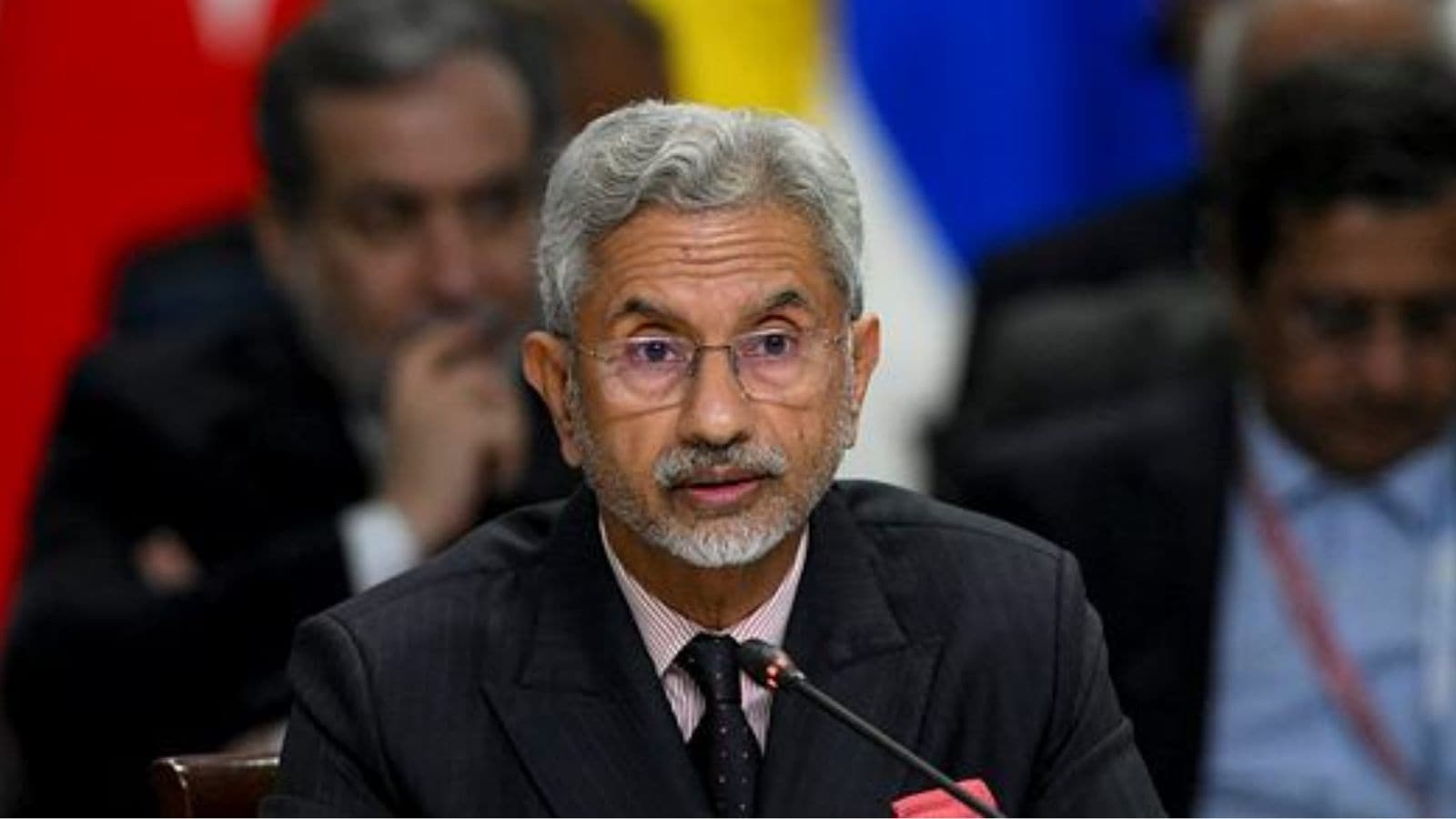 The external affairs minister said that part of the problem was that in earlier years, the border infrastructure was really neglected. (PTI Photo)
External Affairs Minister S Jaishankar Saturday credited the breakthrough patrolling agreement with China along the Line of Actual Control (LAC) to the military and smooth diplomacy.
Responding to a question during an interaction with students in Pune, Jaishankar said, “If today we have reached where we have… One is because of the very determined effort on our part to stand our ground and make our point. The military was there (at LAC) in very very unimaginable conditions to defend the country, and the military did its part and diplomacy did its part.”
Jaishankar said that during Prime Minister Narendra Modi’s meeting with Chinese President Xi Jinping on the sidelines of the BRICS in Russia’s Kazan, it was decided that the foreign ministers and National Security Advisors of the two countries would meet and see how to move forward.
However, the EAM said that it is still early for the normalisation of relations between India and China, adding that the rebuilding of trust and willingness to work together will naturally take time.
While talking about the LAC dispute, the external affairs minister said that part of the problem was that in earlier years, the border infrastructure was really neglected. “Today we have put in five times more resources annually than there used to be a decade ago which is showing results and enabling the military to actually be effectively deployed. The combination of these (factors) has led to where it is,” he added.
Earlier this week, India and China arrived at an agreement on “patrolling arrangements” along the Line of Actual Control (LAC), leading to disengagement and a resolution of the issues that had arisen in these areas in 2020. The two countries were locked in a military standoff along the LAC in eastern Ladakh following Chinese incursions over four-and-a-half years ago.
Both countries have taken the first step by starting the process of disengaging troops at two of the seven friction points in the region to restore patrolling rights of each there.
Sources in the Indian Army Friday confirmed that the disengagement process began Tuesday in the Depsang Plains and Demchok — a day after India announced that an agreement on patrolling had been reached between the two sides — and is likely to be completed by October 28-29.
With PTI inputs
Stay updated with the latest - Click here to follow us on Instagram