Journalism of Courage



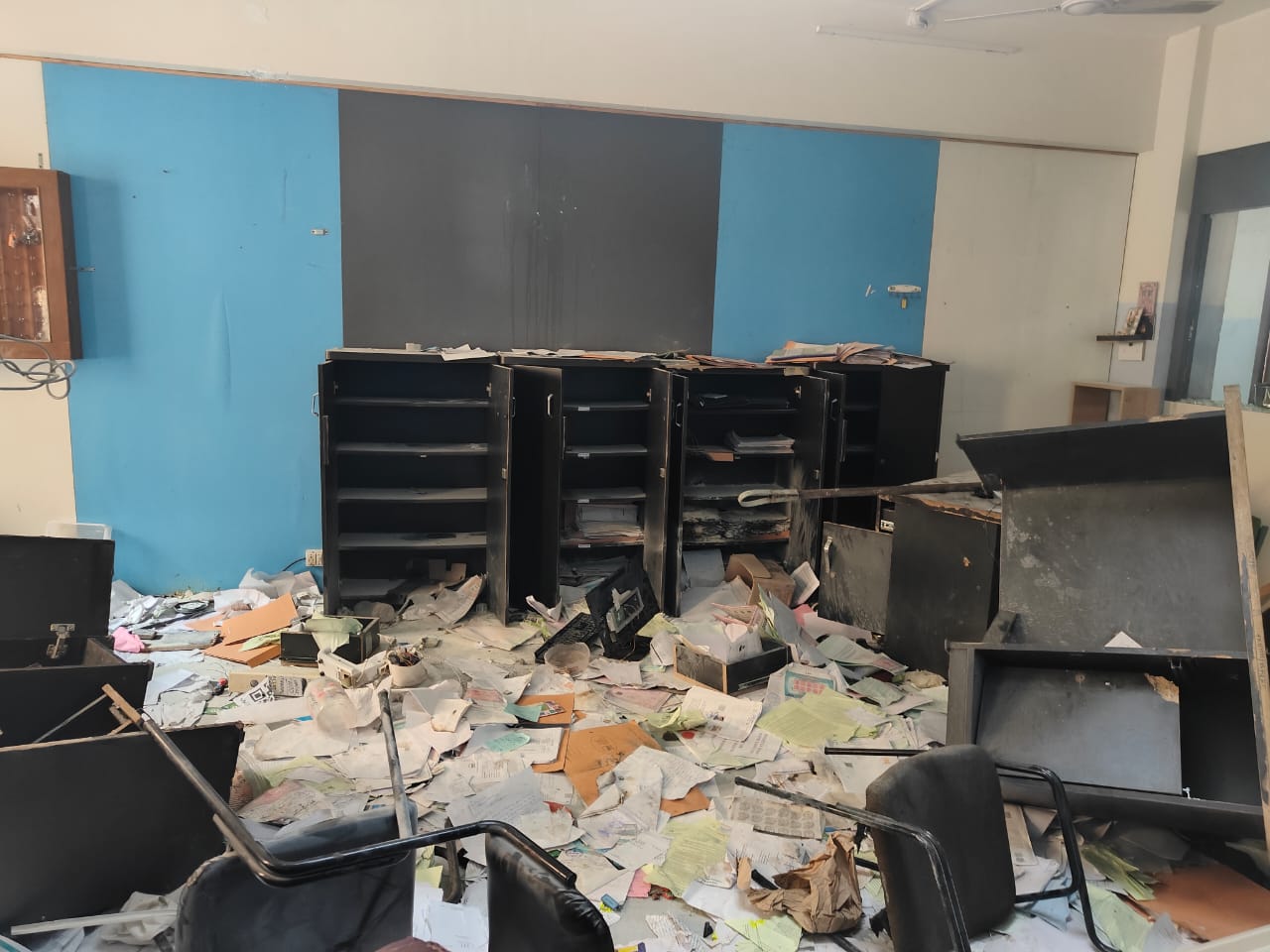
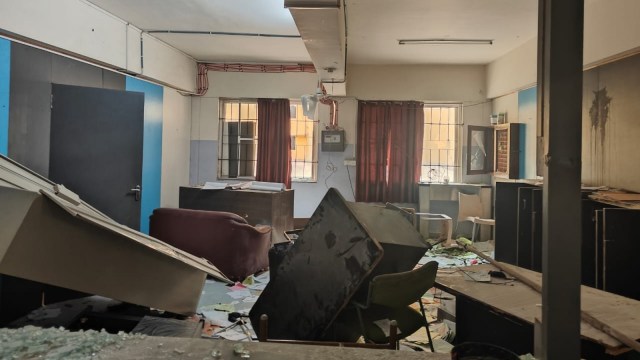 A vandalised room at Vellore Institute of Technology in MP’s Sehore.
 Security guards and wardens watched in disbelief on Tuesday night as teenagers tore through hostel gates, uprooted elevator doors and torched vehicles — angry over the alleged lack of clean water and food and a jaundice contagion scare at Vellore Institute of Technology in Madhya Pradesh’s Sehore.
It was the culmination of weeks of anger, which had been brewing over what students say are legitimate concerns, even though the spark was a rumour: That three people had died of jaundice after 23 fell ill in the past two weeks. The administration had time to dispel the rumours, but by most accounts, failed to take the students into confidence.
On Thursday, University Registrar K K Nair broke his silence on the deaths and clarified they were not due to jaundice. “As regards the death of a student, Ms Neha, it occurred on November 24 due to TB while at her home in Bilaspur, Chhattisgarh. It has nothing to do with jaundice. We are processing a fee refund. Regarding the death of Dr Sangram Kesari Das, faculty, it was a natural death after prolonged illness. He has been on medical leave since May 2025 and returned a few days ago. He was found dead at home; he died of typhoid,” Nair said.
 According to officials, there was no student body despite repeated pleas since 2017.
According to her family, Neha was pursuing a cybersecurity and digital forensics course. Her father, Sunil Kumar Sahukar, said: “She wanted to serve the government after graduating. We thought she would go far in life after attending college, but she got sick there.” He alleged she, too, had complained about the food and water at the varsity.
There was another key reason why student resentment grew and grew — senior administration officials told The Indian Express that the student redressal committee dealt only with grievances of students who had graduated, not those of current students.
According to officials, there was no student body despite repeated pleas since 2017. Several students who took part in the protests said that disinformation could have been nipped in the bud had student representatives been at the helm. The administration also went after students at first, imposing fines for “spreading rumours” about campus hygiene on social media, which only added to the anger.
A purported video of Assistant Professor Dr Prashant Kumar Pandey, a researcher of fractional calculus, assaulting students went viral on Reddit. That was the final straw.
 Several students who took part in the protests said that disinformation could have been nipped in the bud had student representatives been at the helm.
A day after the Sehore Police booked him for the incident, Pandey was unapologetic: “I did not assault the students. I handled them as a parent. I was trying to have a dialogue with them; they came with faces covered and began attacking us. I did not get any complaints about water or food quality in my hostel. This (anger) was all because of our strict attendance system.”
Nair, the registrar, acknowledged that there have been “23 jaundice cases over the last 10 days”. “We have in the past fined students who brought disrepute to our university by spreading rumours about our water and food. This year, over 250 fines have been levied for violations, including leaving the city without permission, returning late at night, creating a nuisance in hostel rooms, shouting in the galleries, or posting content that brings disrepute to the university. This time, we will take their suggestions,” he said.
Established in 2017, VIT Bhopal University spans a 300-acre campus and houses 17,000 students across eight boys’ hostels and two girls’ hostels. It has 300 teaching and around 100 non-teaching staff. It offers B.Tech, M.Tech, BBA, MBA and MCU programmes. The fee structure varies by category, which is based on a student’s rank. Category 1 students pay around Rs 1.75 lakh for 10 months, while other categories pay Rs 2.25 lakh and can go up to Rs 5.5 lakh.
 The administration also went after students at first, imposing fines for “spreading rumours” about campus hygiene on social media, which only added to the anger.
Dr G Viswanathan, who founded Vellore Engineering College in 1984, is this university’s vice chancellor. Before his stint in the education sector, Viswanathan served as an MP from the Vandavasi Lok Sabha constituency as the DMK candidate in 1967 and 1971. He also served as an MLA in the Tamil Nadu Legislative Assembly as an AIADMK candidate from Anaicut constituency in 1980 and Arcot in 1991, and was a minister in the Jayalalitha government.
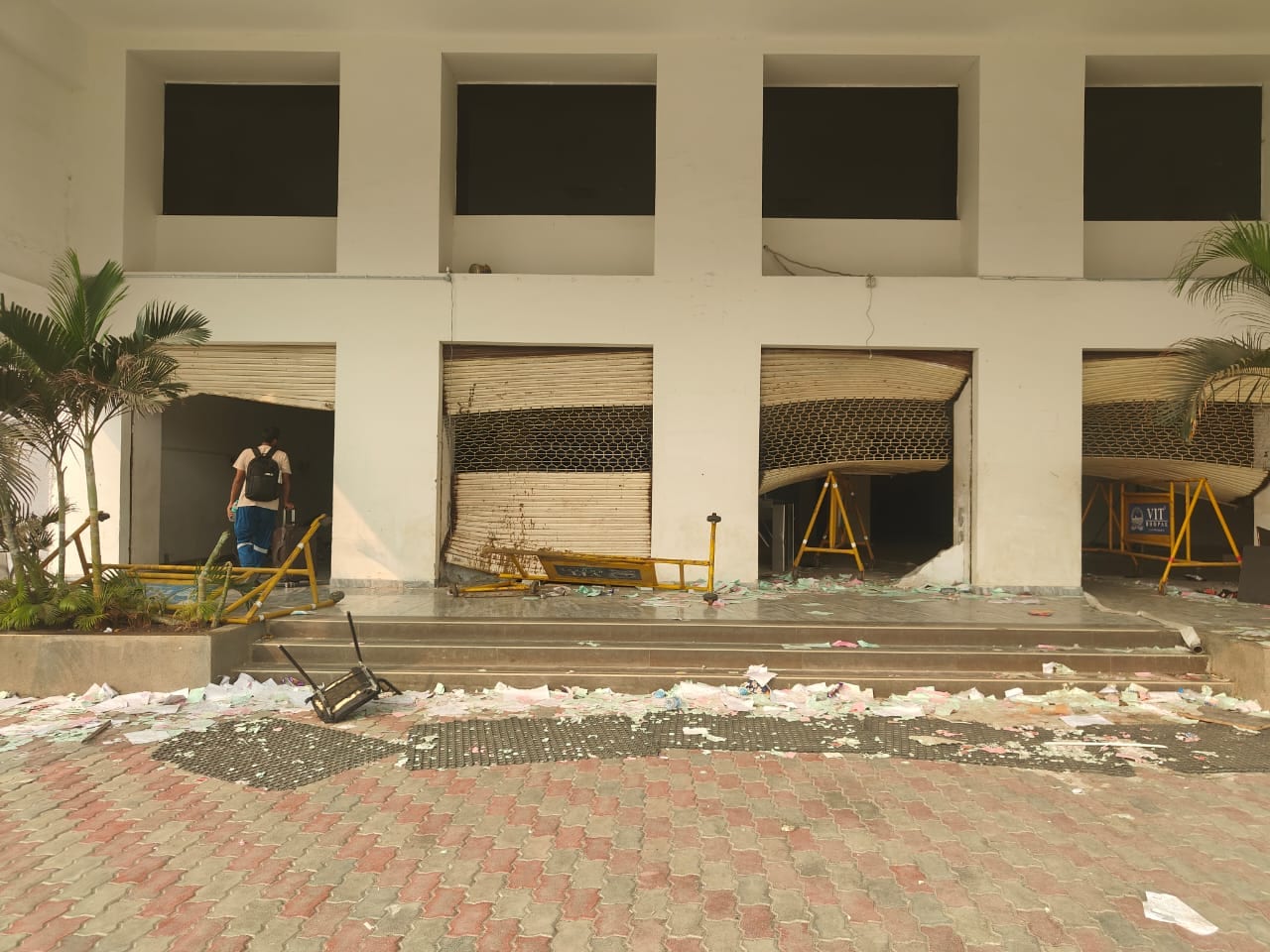
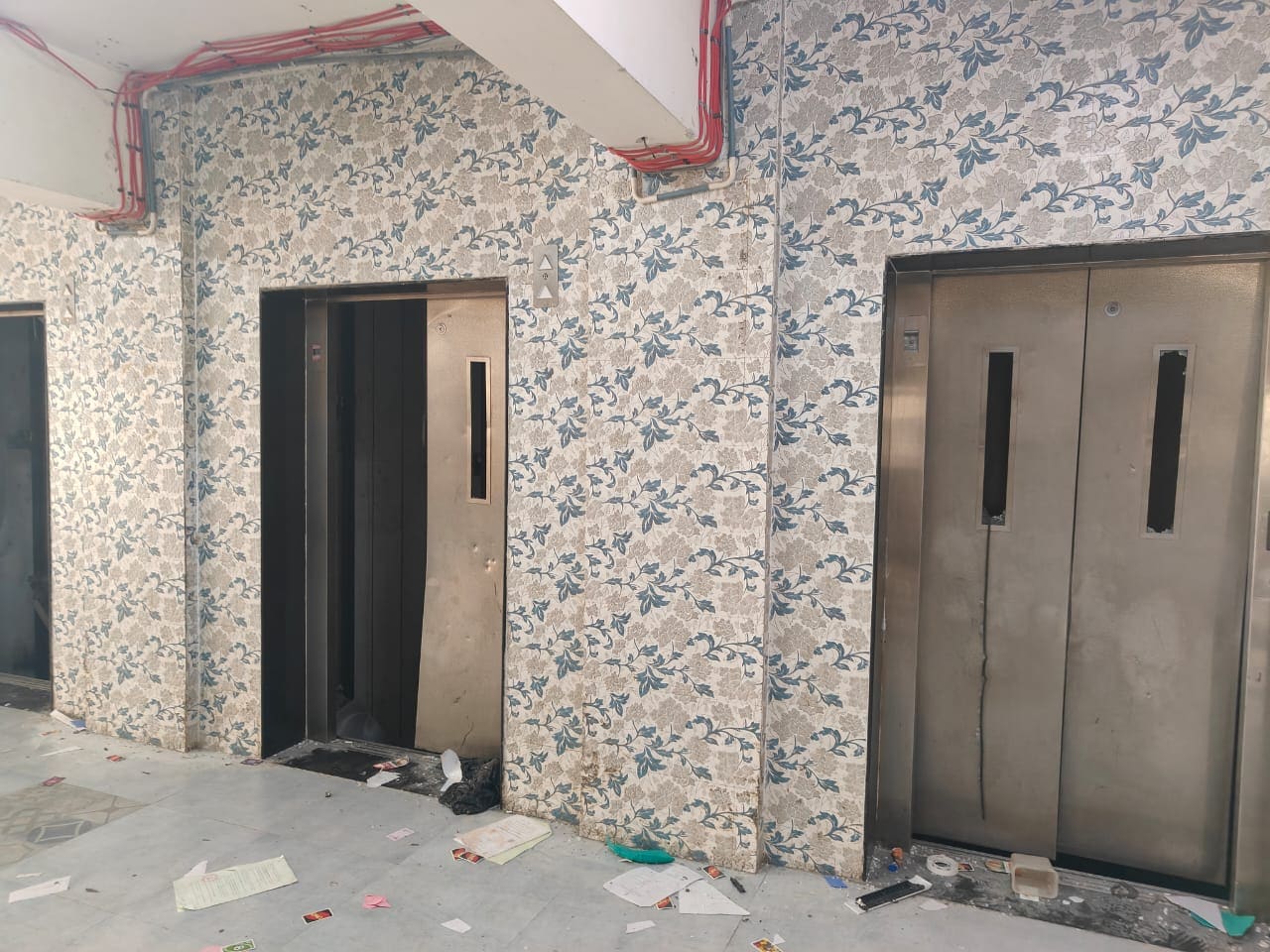
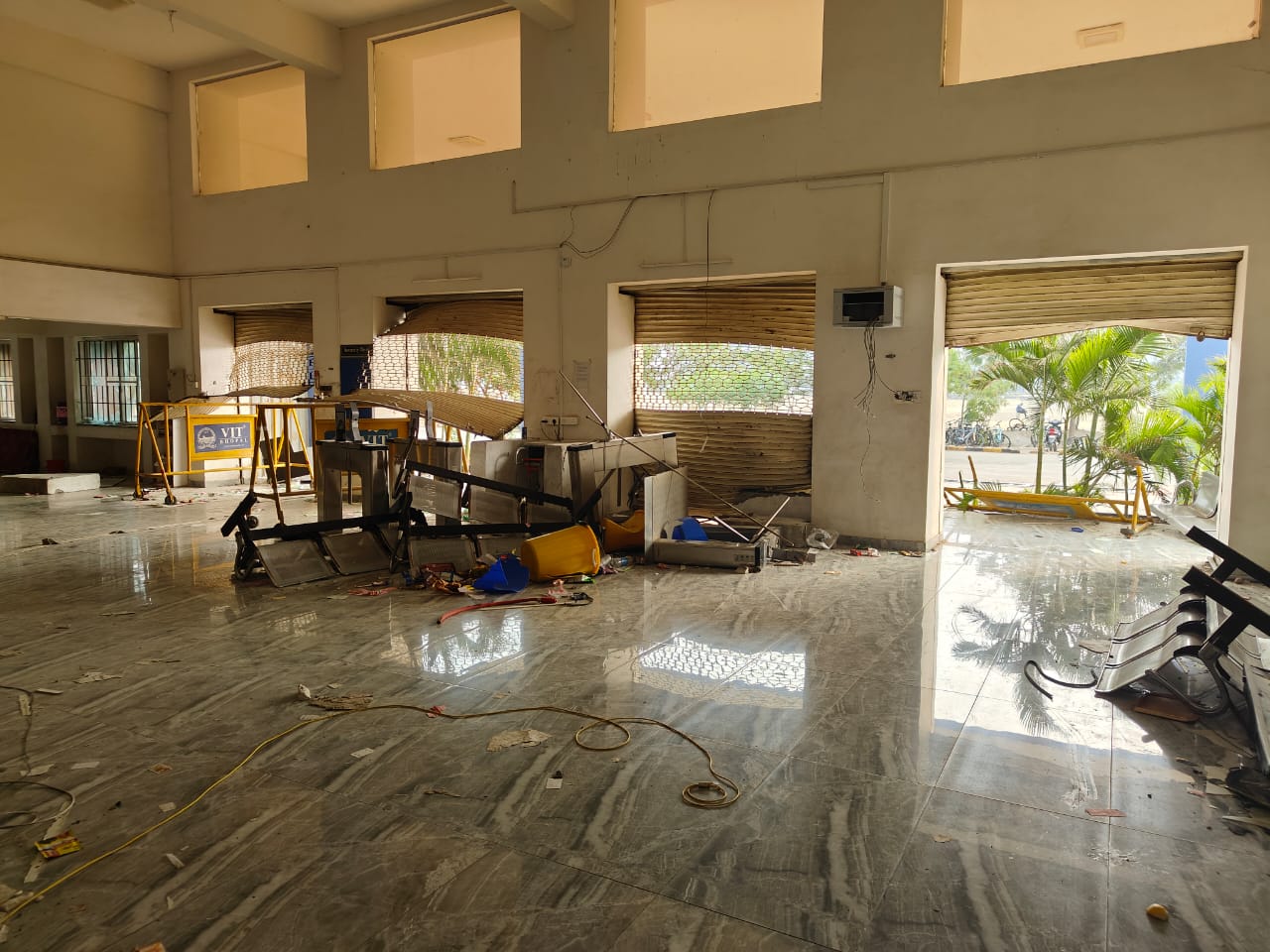
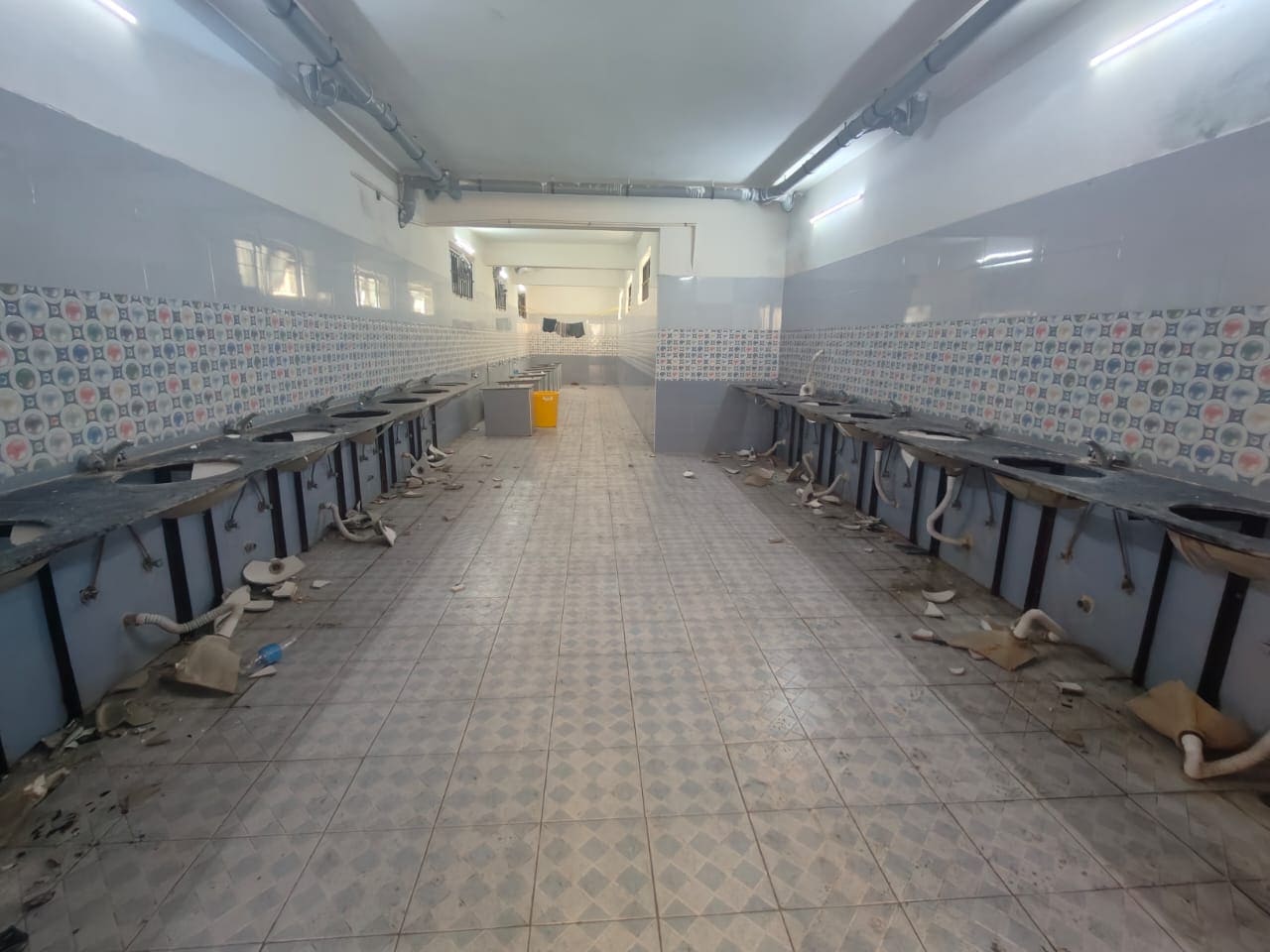
On Thursday morning, students in hoodies and worn-out jeans could be seen walking out of hostel gates, hauling their luggage, as they headed home. The campus has been shut until November 30. At the hostel blocks, the signs of carnage were clear: twisted metal shutters, mangled railings, broken bathroom sinks, and upturned furniture with papers spilling out. By most accounts, the protest involved 4,000 students.
Said a third-year B.Tech student, “Some of my friends can’t afford to go back home and are staying, while others are heading home. We are yet to complete the last leg of our semester, and exams are around the corner.”
Two days before the protest, a student’s mother received a call from her. She, too, told The Indian Express that students were discussing the “three deaths”. The quality of drinking water had been a problem from the beginning, she said, which was surprising given the Rs 79,000 fee for food and water for 10 months.
 There was another key reason why student resentment grew and grew — senior administration officials told The Indian Express that the student redressal committee dealt only with grievances of students who had graduated, not those of current students.
Different blocks experienced different challenges. Students in blocks 5 and 6 complained that the water ran brown. In blocks 1 and 6, there were complaints about dal and rice being served repeatedly. There was also discomfiture over bathroom hygiene and the quality of the food.
Plus, there was simmering resentment over the curbs the university had put on students’ movement. The penalty board fixed outside the entrance of all 10 hostels spelt out that curfew would be in place from 9 pm, with a “ban on parties, loud music and phone calls”. Unauthorised entry into other rooms carried a fine of Rs 2,000 for non-AC rooms and Rs 10,000 for AC rooms.
Students were allowed to leave campus with parental consent twice a month.
Some students claimed that the VTOP portal – the academic system that governed everything from course registration to exam access – was frozen for them until they paid the fines. Said a third-year B.Tech student, “I protested against the water issues in block 1 last year, and they imposed a fine of Rs 5,000. There are fines for gatherings of more than five people beyond curfew time or even playing in our hostel galleries.”
 A purported video of Assistant Professor Dr Prashant Kumar Pandey, a researcher of fractional calculus, assaulting students went viral on Reddit. That was the final straw.
Teachers served simultaneously as instructors and wardens, enforcing a 75% attendance minimum. “A student who fell ill and missed class wasn’t excused; they accumulated absences. Fall below the threshold and you would have to repeat the semester. Which is why the jaundice issue resonated with students – everyone was scared they would have to repeat the year,” explained a fourth-year B.Tech student.
Student Grievance Redressal Committee chairperson, Dr Vivek Parashar, said, “We only handle grievances of students who have already passed out, and most of these complaints relate to documentation. No student has approached me directly regarding issues of food, water, or other facilities. Students typically resolve minor matters within their respective departments and with their proctors. We have not received a single grievance concerning facilities or campus conditions.”


 8 min read