3 min read

Click here to join Express Pune WhatsApp channel and get a curated list of our stories
© The Indian Express Pvt Ltd



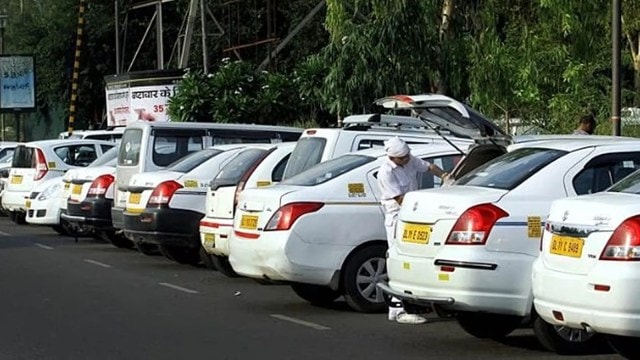 As per the case, in August 2018, a woman had taken an Ola cab to her office in Bengaluru when the driver allegedly stared at her through the mirror and watched an obscene video on a mobile phone, positioning it so that it was visible to her. (Representational photo)
The day after the RTA rejected the aggregator’s licence of Ola and Uber, driver unions are demanding a ban on the service in the city. After the completion of the 30-day appealing period, the RTO will take legal actions against the companies, says the RTO.
After the new cab fares, RTO announced on January 3 this year, many successive meetings were held by the transport authorities following the union’s demands. Coming to a conclusive end on March 12, the District Collector as the RTA’s head declined the long cold-storaged licence decision of both the companies. Various unions have raised questions on RTO action against Ola and Uber, calling it a ‘Paper Exercise’ which will have no significant impact on the ground.
Reminding of similar action that happened last year when the auto’s licences were also rejected, Baba Kamble, President of the National Auto Taxi Bus Transport Federation said that the licence rejection is just a threat on paper. “Since these companies are not following the official authority’s order, they should be banned from the city,” he said.
Kamble said that he has a strong sense that the companies would go to the high court to appeal and get the decision restored. “They should be banned across the city by the RTO along with any parallel solution,” he said.
Keshav Kshirsagar, President of the Indian Gig Workers Front (IGWF) said that if these companies need to operate in the city, then they should agree to the demand to follow the Khatua committee report guidelines. “Either the RTO should file an FIR against the companies or they should be asked to adhere to the Khatua guidelines which the RTO announced this year in January,” he said.
According to the Khatua committee, if app-based cab aggregators adopt the updated fare rates, the commuters have to pay a subsequent price of Rs 21 per KM for non-AC cabs and Rs 25 for AC cabs per KM, following an initial charge of Rs 31 and Rs 37 for the first 1.5 KM, respectively.
While the President of Maa Saheb Cab Sanstha, Varsha Shinde said that she was never in favour of banning the companies; instead, her demand was only limited to the fares according to the Khatua Committee.
As per the unions, for the last decade, Ola and Uber have been operating illegally, and for the last year, their autos have also been running on the road despite their licences being rejected.
Nitin Pawar, General Secretary of Rickshaw Panchayat, said that the companies are exploiting the drivers in multiple ways by violating government laws. “Already, the cab drivers are not allowed to operate their cabs inside the city as they have tourist permits, and besides this, they are violating various other regulations,” he said.
Sanjeev Bhor, RTO in-charge, said that officially they have given them 30 days to appeal to The State Transport Appellate Tribunal (SAT). “There should be no inconvenience to the people. If the decision comes against them, we will take legal action against them,” he said.