Journalism of Courage



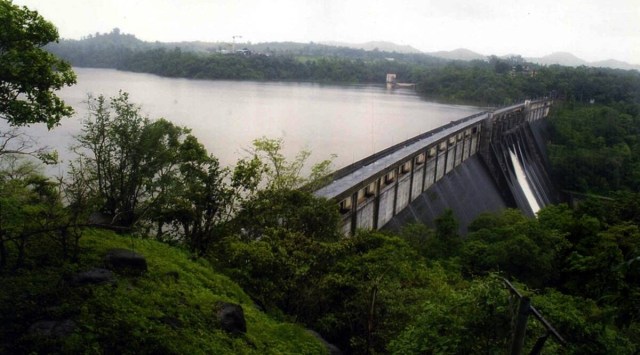 Water resources department says ‘state will face a crisis if no rain by June-end’. (Express file)
 The water level in 3,267 dams in Maharashtra was at 23.84 per cent by the third week of June — a little less than 3 per cent of the 26 per cent last year. This is due to the delayed monsoon in the state, according to sources in the water resources department.
Monsoon usually arrives in the state by June 10. This year, however, it has been delayed by two weeks and is expected to occur by June 23 to 25. The maximum water-holding capacity in the 3,267 dams, including the 141 major ones, is 4,02,81,560 million litre. At present, the water available in these dams is 96,03,290 million litre. Sources in the water resources department said, “The water storage in dams by June 21 was lower compared to last year.”
According to an official, “water in dams is 23.84 per cent of the full capacity at present, against 26 per cent of it during the same period last year.” A region-wise analysis of dam water shows that the drought prone situation in Marathwada was worrisome. Of the total water capacity of 72,58,830 million litre, water available in these dams was recorded at 1,970,880 million litre — which is 27.15 per cent. In June 2022, it was 28 per cent.
The biggest dam — Jayakwadi in Paithan taluka of Aurangabad (now officially known as Sambhaji Nagar district after being renamed) — recorded the water level at 31.07 per cent, against the 33 per cent previous year. The dam with a total water storage capacity of 21,70,930 million litre — which helps irrigate 2.5 lakh hectare agricultural land and is the main source for drinking water in the region — has a water level of 6,74,490 million litre at present.
Another region which has recorded a low water level in the dams is western Maharashtra, with 12.56 per cent of the total capacity against 14 per cent previous year. In 726 dams, including 35 major ones, the water available was recorded at 19,09,300 million litre of the total 1,52,02,040 million litre — the optimum capacity.
The coastal Konkan, which always records good monsoon, has surprisingly been recording lower water levels in its 176 dams. It is 31.65 per cent at present, against the previous year’s 34 per cent.
The water level in its dams was recorded at a total of 11,15,350 million litre, with the maximum water capacity being at 35,24,470 million litre. The Vidarbha region, meanwhile, stands in a better position in this situation. The region comprising Nagpur and Amravati divisions has marked a marginally higher level of water compared to last year. Nagpur division, with 384 dams having a collective water level of 37.78 per cent, is higher than last year’s 27 per cent. Of the total 46,06,390 million litre capacity, the water available at present was recorded at 17,40,410 million litre. Amravati division recorded the water level at 36.82 per cent, slightly up from last year’s 35 per cent. Of the optimum storage capacity of 3,758,020 million litre, it now has 1,383,650 million litre.
At present, the situation in North Maharashtra is better, which has the water level in dams at 25 per cent against 21 per cent previous year. But, the total 571 dams with 14,83,700 million litre water, of the total storage capacity of 59,31,820 million litre, has not been very reassuring. Sources in the water resources department said, “We are desperately waiting for an intense monsoon by the end of June. We will face a severe water crisis if that does not happen.”
The India Meteorological Department (IMD) has predicted a delayed monsoon for Maharashtra, which is likely to arrive in the state in the next couple of days. The state may receive less rainfall this year, it said. Last week, the agriculture department issued an advisory, urging farmers not to rush with kharif sowing.

 4 min read