Journalism of Courage



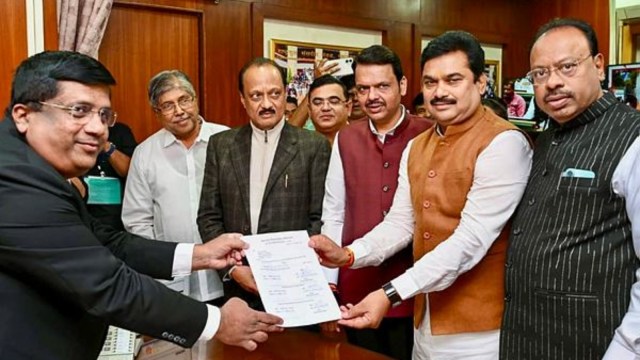 The bill was first introduced in the previous monsoon session by the government led Chief Minister Eknath Shinde. The bill was not passed then. It was reintroduced on Wednesday. (PTI Photo)
Maharashtra Chief Minister Devendra Fadnavis on Wednesday presented Maharashtra Special Public Security Act, 2024 in legislative assembly, which is aimed at curbing the increasing presence of naxal activities in urban areas. Fadnavis, however, said that since there are a number of apprehensions from different organisations and groups about the act, it will be sent to the joint select committee and will again be brought up in the monsoon session of the state legislature, taking into account all the views and opinions.
“There are apprehensions from different organisations that the act is meant to suppress voices of dissent or to take action against individuals. Therefore, the government itself is proposing to send it to the joint select committee where hearings on this will be held. Voices of all the organisations and individuals will be heard. And based on that the bill be brought again in the July session of the legislature,” said Fadnavis in the legislative assembly.
The bill was first introduced in the previous monsoon session by the government led Chief Minister Eknath Shinde. The bill was not passed then. It was reintroduced on Wednesday.
“The spread of active frontal organisations of naxal groups gives constant and effective support in terms of logistics and safe refuge to their armed cadres. The seized literature shows safe houses and urban dens of the Maoist network in cities in Maharashtra,” said the statement of Objects and reasons of the bill.
Fadnavis cited similar acts brought into force by Chhattisgarh, Telangana, Andhra Pradesh and Odisha. Congress MLA Nana Patole questioned the need to bring in a special act against naxal activities.
“We do not have an act targeting naxal activities. Such cases are either registered under IPC or UAPA. However, the UAPA is meant for terror activities and a possibility of relief for the accused. This is the very reason why these four states enacted a special act,” said Fadnavis.

 3 min read