


Stay updated with the latest - Click here to follow us on Instagram
Tags:


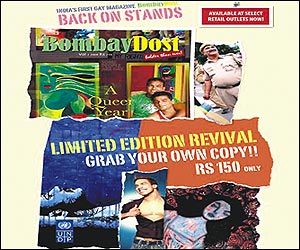
When Bombay Dost was launched in 1990,its readers couldnt afford the comforts of being discreet,courtesy the internet. The only ways to reach out to others were through print,post and telegraph. Many gay men knew of Bombay Dost but could not subscribe as they could not ask for a copy to be delivered home, says Nitin Karani,editor-at-large,Bombay Dost. Nearly two decades on,Bombay Dost was re-launched with much fanfare and a crop of magazines,that address LGBT issues are making the rounds of the country. Pink Pages (www.pink-pages.co.in),an e-mag which will be out in print too very soon was almost perfectly timed,with its launch immediately after Article 377 was repealed. Most publications that address queer issues have usually had a limited intellectual readership. Pink Pages tries to reach out to everybody irrespective of gender,sexuality etc, says Nipun Goyal,editor-in-chief of Pink Pages. The LGBT magazine,which is the brainchild of a group of students and young professionals,has more than 30 editors,designers and web designers who contribute voluntarily.
Bombay Dost,at its launch connected with queer people across the country,taking away the sense of isolation and disempowerment, says Karani. Pink Pages comes at a time when vocal discrimination has been replaced with a studied silence and diplomacy. But the magazine also works with a similar objective. Apart from sections dedicated to politics,activism,health,cinema,fashion,literature,Pink Pages also has an Ask your Queer Peer provision which helps people come out and even deal with their sexuality. You still cant dissociate stigma from homosexuality in the country. We try and help people deal with it from experience, says Goyal. Trikone,a magazine,founded by two Indian techies working in the Silicon Valley,too has come a long way since its launch in 1986. Now headed by Abhay Prasad,an engineer based out of San Francisco,Trikone deals with queer issues not just in India but the whole of South Asia. It acts as a virtual connect of sorts,letting people know about the socio-political and even cultural developments in their neighbouring countries. Often these issues get lost in the clutter of more important news in mainstream publications, explains Prasad who has quite a readership across the world.


However,while the publication of magazines that limit themselves to queer issues is an intelligent device to homogenize the differences created by a largely patriarchal society,human rights activists hope that the society will work towards a future where media of expression will not be divided by gender,sexuality or social affiliations. While the magazines are a step towards normalizing homosexuality in the country,we hope that there will be no need to have separate publications for women,men or gay people in future, says Saptarshi Mondol of the Lawyers Collective.
(With inputs from Premankur Biswas)


Stay updated with the latest - Click here to follow us on Instagram


