


Journalism of Courage



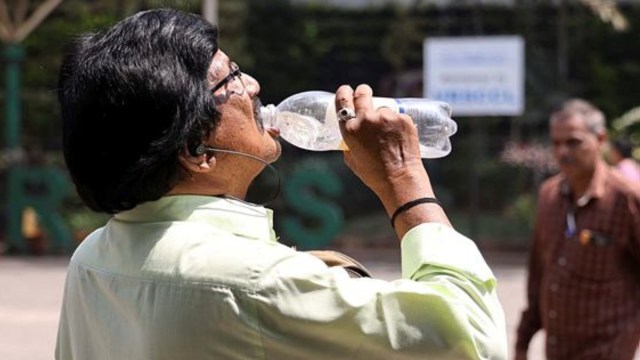 The maximum temperature has been hovering around 40 degrees Celsius for the last one month, leading to a surge in hospital visits due to various heat-related issues, said officials. Express file photo
 With the mercury already soaring above 35 degree Celsius in Bengaluru and some parts of Karnataka, instances of sun stroke and other health-related issues have increased. To safeguard the people of the state, the Karnataka Health and Family Welfare department has issued an advisory, urging people to avoid stepping outdoors in the afternoon.
Minister for Health and Family Welfare Dinesh Gundu Rao said, “The summer heat is intensifying day by day in the state and people are struggling to cope with the excessive heat. The maximum temperature has been hovering around 40 degrees Celsius for the last one month, leading to a surge in hospital visits due to various heat-related issues such as sun stroke, migraine attack and skin problems. Additionally, there has been a significant increase in bacterial and viral infections.”
In response to the rising number of cases, the Commissioner of the Health Department D Randeep has instructed District Health Officers to ensure that all hospitals have life-saving medicines readily available for appropriate treatment. “I urge everyone to take precautionary measures to protect yourselves from the heat. With summer coinciding with exam time, it is especially important for students to take extra care of their health,” he added.
The Karnataka government also shared some dos and don’ts. Here’s a quick look.
➤ Stay hydrated
➤ Drink sufficient water whenever possible, even if you are not thirsty. Thirst is not a good indicator of dehydration
➤ Carry drinking water when traveling
➤ Use Oral Rehydration Solution (ORS) and consume homemade drinks like lemon water, butter milk/lassi, fruit juices with some added salt
➤ Eat seasonal fruits and vegetables with high water content like watermelon, muskmelon, orange, grapes, pineapple, cucumber, lettuce or other locally available fruits and vegetables
➤ Stay covered
➤ Wear thin loose, cotton garments, preferably light coloured
➤ Cover your head: Use umbrellas, hats, caps, towels and other traditional headgears during exposure to direct sunlight
➤ Wear shoes or chappals while going out in the sun
➤ Stay alert
➤ Listen to radio, watch TV; read newspapers for local weather updates. Get the latest update of weather on Karnataka State Natural Disaster Monitoring Centre at https://www.kandme.org/default.aspx_India
➤ Stay indoors as much as possible
➤ In well-ventilated and cool places
➤ Block direct sunlight and heat waves: Keep windows and curtains closed during the day, especially on the sunny side of your house. Open them at night to let cooler air in.
➤ Limit your outdoor activity to cooler times of the day i.e., morning and evening
➤ Reschedule or plan outdoor activities during cooler parts of the day.
➤ Outdoor activities may be scheduled to be completed by 11 am or after 4 pm in the evening.
➤ Pendhal/Shamiyanas may be erected to provide protection from heat
➤ Air circulation should be ensured.
➤ Drinking water arrangement should be made available
Although anyone at any time can suffer from heat stress and heat-related illnesses, some people are at greater risk than others and should be given additional attention.
These include:
➤ Infants and young children
➤ Pregnant women
➤ People working outdoors
➤ People who have a mental illness
➤ People who are physically ill, especially with heart disease or high blood pressure
➤ People coming from cooler climate to a hot climate: If such people are visiting during heatwaves, they should allow one week’s time for their bodies to get acclimatised to the heat and should drink plenty of water. Acclimatisation is achieved by gradual increase in exposure/physical activity in a hot environment.
➤ Elderly or sick people living alone should be supervised and their health monitored on a daily basis.
➤ Keep your home cool, use curtains, shutters or sunshade and open windows at night.
➤ Try to remain on lower floors during the day.
➤ Use a fan or a damp cloth to cool down your body.
➤ Avoid getting out in the sun, especially between 12 noon and 3 pm
➤ Avoid strenuous activities when outside in the afternoon
➤ Do not go out barefoot
➤ Avoid cooking during peak summer hours. Open doors and windows to ventilate cooking area adequately
➤ Avoid alcohol, tea, coffee and carbonated soft drinks or drinks with large amount of sugar- as these lead to loss of more body fluid or may cause stomach cramps
➤ Avoid high-protein food and do not eat stale food
➤ Do not leave children or pets in parked vehicles. Temperature inside a vehicle could get dangerous.
➤ Provide cool drinking water at workplaces and remind them to drink a cup of water every 20 minutes or more frequently to stay hydrated.
➤ Caution workers to avoid direct sunlight
➤ Provide shaded work areas for workers. Temporary shelter can be created at the work site
➤ Schedule strenuous and outdoor jobs to cooler times of the day i.e., morning and evening hours
➤ Increase the frequency and length of rest breaks for outdoor activities- at least every 5 minutes after 1 hour of labour work
➤ Listen to Radio; watch TV; read Newspaper for local weather news and act accordingly. Get the latest update of weather on India Meteorological Department (IMD) website at https://mausam.imd.gov.in/
➤ Assign additional workers or slow down the pace of work
➤ Make sure everyone is properly acclimatised: it takes weeks to acclimatise to a hotter climate. Do not work for more than three hours in one day for the first five days of work. Gradually increase the amount and time of work.
➤ Train workers to recognise factors which may increase the risk of developing a heat-related illness and the signs and symptoms of heat stress and start a “buddy system” since people are not likely to notice their own symptoms
➤ Trained First Aid providers should be available and an emergency response plan should be in place in the event of a heat-related illness
➤ Pregnant workers and workers with a medical condition or those taking certain medications should discuss with their physicians about working in the heat.
➤ If working outdoors, wear light-coloured clothing, preferably long-sleeve shirt and pants, and cover the head to prevent exposure to direct sunlight.
➤ Organise awareness campaigns for employees
➤ Install temperature and forecast displays at the workplace
➤ Distribute informational pamphlets and organise training for employers and workers regarding health impacts of extreme heat and recommendations to protect themselves during high temperatures


 6 min read


