Journalism of Courage



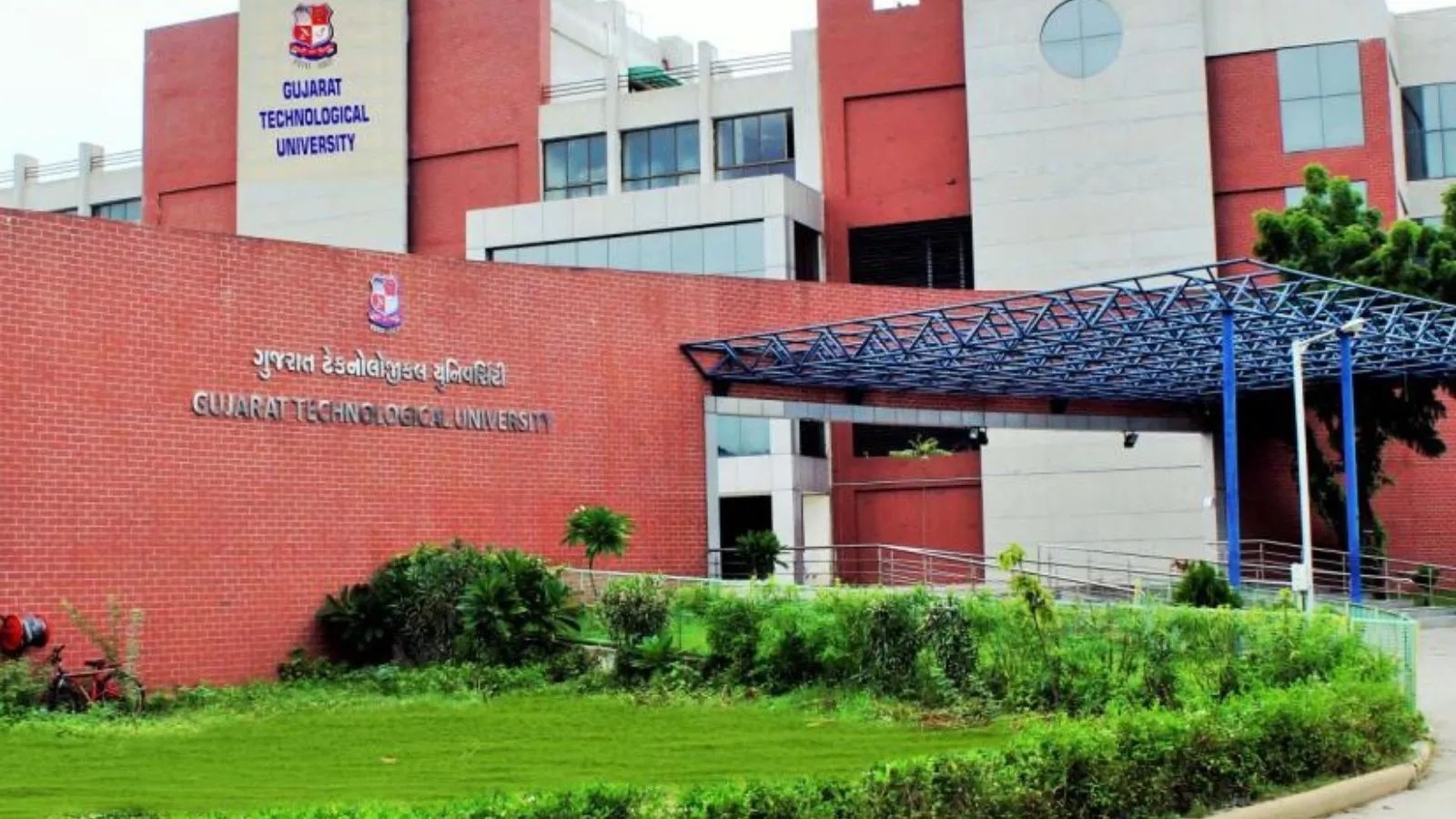 Gujarat Technological University Vice-Chancellor Prof Rajul Gajjar said the focus on computer, information technology and data science, causing a decline in demand for core engineering branches like civil, mechanical and electrical. (File photo)
The core engineering branches of civil, mechanical and electrical continue to see a dip in admissions in Gujarat with the number of students in these courses dropping from 90 per cent to 20 per cent since 2013-14, data maintained by the agency, Admission Committee for Professional Courses (ACPC), showed.
Data for the 2023-24 academic session revealed that only 20 per cent seats have been filled in the mechanical and allied branches. A similar trend was reflected in civil and electrical branches with 21 per cent and 25 per cent seats filled, respectively.
Academicians and experts attributed this trend to digitisation.
Gujarat Technological University (GTU) Vice-Chancellor Prof Rajul Gajjar, a former member secretary of ACPC, said: “It is all about digitisation and digital technology advancement… everything is focussed on computer, information technology and data science… as a result there is a decline in demand for core engineering branches like civil, mechanical and electrical.”
Also, when these courses are offered in Gujarati, there have been no takers for the second year in a row. Under GTU, only GPERI at Mewad in Mehsana – the first degree engineering institution in north Gujarat managed by GTU – has been offering all four graduation courses (civil, computer, electrical and mechanical) in engineering in Gujarati since 2022-23. But not even one seat has been filled in any of these coures yet.
In last three to four years, computer engineering, computer science and engineering, information technology, electronics, communication engineering and artificial intelligence (AI) are finding maximum takers in Gujarat.
Prof N M Bhatt, head of mechanical department at L E College Morbi, said, “There is now more demand for computer-related fields. Parents and students are all running behind computer courses.”
However, Prof Gajjar, hoped that the core engineering branches would find takers in the long run. “Look at electronics and communication, which witnessed a low demand some years ago but with the semi-conductor industry coming up, demand for such courses is again growing. Similarly, while everyone is talking about AI, in AI, too, we need the core branches… A lot of technicians will be needed from the core branches in the future.”
Describing the core branches as “evergreen”, Prof Bhatt said that as all engineering institutions still offer these subjects, the demand for the same will certainly increase.
“Around seven years ago, when mechanical engineering was in demand, the number of seats in the course were increased like anything, leading to a demand-supply gap. I believe that after three years, the demand and supply gap will be bridged as power plants, solar projects and armament projects for the defence forces will need mechanical engineers and the demand for the course will increase,” he added.

 3 min read