3 min read


© The Indian Express Pvt Ltd



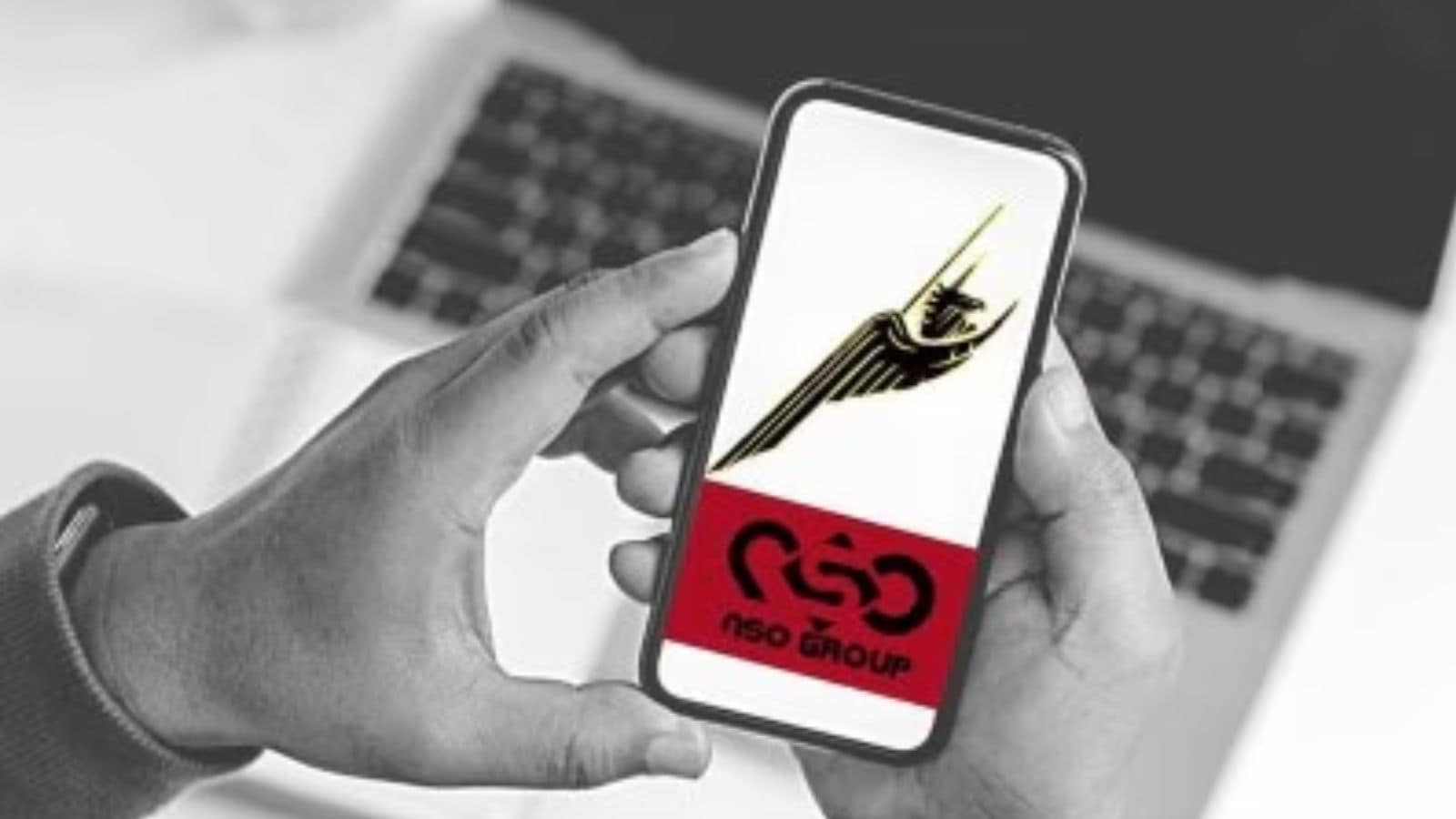 Pegasus has been implicated in hacks by authoritarian governments across the world, with the NSO Group holding that it only sells the spyware to government agencies.
 Israeli company NSO Group’s controversial spyware Pegasus was used to target 1,223 individuals using WhatsApp across 51 countries in 2019, with 100 Indians being impacted by use of the hacking software — the second highest count globally, court documents showed.
The revelation has come as part of a lawsuit filed by WhatsApp against the NSO Group in October 2019, accusing the surveillance company of exploiting a vulnerability in the messaging platform to target users including journalists, lawyers, politicians and human rights activists.
The countries with the most victims of this campaign are Mexico, with 456 individuals; India, with 100; Bahrain with 82; Morocco, with 69; Pakistan, with 58; Indonesia, with 54; and Israel, with 51, according to submissions made by WhatsApp as part of the case. There are also victims in Western countries like Spain (12), the Netherlands (11), Hungary (8), France (7), United Kingdom (2), and one victim in the United States. WhatsApp had earlier alleged that Pegasus was used to target 1,400 WhatsApp users globally.
The country-wise breakdown is a rare insight into the use of the spyware globally, and where its victims might be based — with the numbers suggesting that the spyware overwhelmingly being used to target people in developing countries. To be sure, it is not necessary that governments target their own citizens in each case, as foreign governments can potentially launch an attack on those who may not be within the country’s physical boundaries. Pegasus has been implicated in hacks by authoritarian governments across the world, with the NSO Group holding that it only sells the spyware to government agencies.
The NSO Group did not respond to a request for comment.
It was earlier reported that use of Pegasus extended to devices in India, including those allegedly belonging to journalists, politicians, Union ministers, besides members of the civil society. WhatsApp’s submissions, for the first time, reveal the scope of the targeting.
After allegations that Pegasus was used on people in India, several petitions were filed in the Supreme Court seeking an inquiry into the charges. In 2021, the Supreme Court had formed a committee of technical experts to look into allegations of unauthorised surveillance using the Pegasus software. In August 2022, the committee of technical experts found no conclusive evidence on use of the spyware in phones examined by it but noted that the Central government “had not cooperated” with the panel. The report is sealed and has not been released publicly since.
“As the report is submitted to the Supreme Court, it will not be proper to offer any comments,” retired judge Justice R V Raveendran, who was supervising the probe panel, had said earlier.
A previous submission by WhatsApp in the case had revealed the extent of the Pegasus spyware, including its several versions. The documents also showed that between April 2018 and May 2020, the NSO Group charged its customers — “select government agencies approved by the Government of Israel”— $6.8 million (Rs 57.3 crore) for a one-year license. In December 2024, the court had held the NSO Group liable for targeting the devices of WhatsApp users.