3 min read

Journalism of Courage



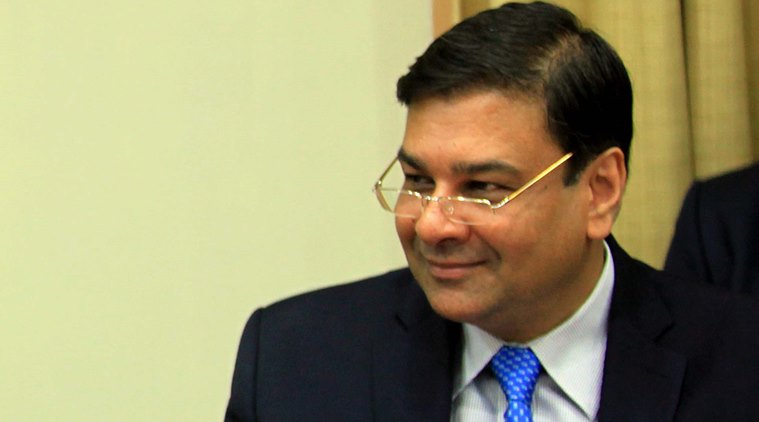 The unchartered territory of MPC-driven policy formulation only makes the task at hand more pressing and only demands for early decisions by all stakeholders.(Express Photo)
The elevation of Urjit Patel as the Governor amid a small window to operationalise the new Monetary Policy Committee (MPC) framework has brought a slew of challenges for the Reserve Bank.
Till the Government appoints a replacement for Patel as the Deputy Governor, it will have to appoint one among the three DG — R Gandhi, SS Mundra and NS Vishwanathan — to oversee the critical monetary policy aspect in the interim.
With the name of executive director Michael Patra doing the rounds as Patel’s replacement to be the Deputy Governor incharge of monetary policy, the Reserve Bank board will have to suggest a new person who becomes the third member of the MPC.
If the Government sticks to precedent and gets an economist as the new DG who is not from the RBI ranks, the task might be a little simpler for the RBI board as executive director Patra will continue to be its representative on MPC.
After announcing the third bi-monthly policy review, his last as the head of RBI, outgoing Governor Raghuram Rajan had said that the next review on October 4 will be done by the MPC.
The MPC aims to shifts the decision making process from the current system which gives discretion to the Governor, to a panel-based approach where every member’s call will count and the Governor will have a casting vote.
To be headed by the Governor, it has to have six members. From the RBI’s quota of three, two will be the Governor and the Deputy Governor incharge of monetary policy, while a third one has to be recommended by the RBI board.
It is in this context that the current set of changes in the top tier at the central bank make the next few weeks crucial and also interesting.
Even though he has over three years of RBI experience under his belt, Patel as the Governor would also want his team to be in place as soon as possible.
The unchartered territory of MPC-driven policy formulation only makes the task at hand more pressing and only demands for early decisions by all stakeholders.