If you look around the market, you’ll realise that all your essential devices—whether smartphones, laptops, or tablets—now feature generative artificial intelligence capabilities. In fact, the race to integrate Gen AI began with ChatGPT, which quickly evolved from a must-have app to influencing hardware design.
While there has been significant optimism around AI, with billions invested in the technology, we have yet to see an explosion of devices designed from the ground up with generative AI at the same pace as the technology was initially marketed. Sure, the adoption of Gen AI isn’t widespread, and only a handful of people actively use AI on their devices.

However, that hasn’t stopped companies like Meta and a few high-profile startups from heavily investing in new form factors designed with Gen AI in mind from day one. And the best part? You can actually buy these devices from the market.
Here are five such cool AI gadgets that aren’t smartphones or laptops.
Ray-Ban Meta glasses
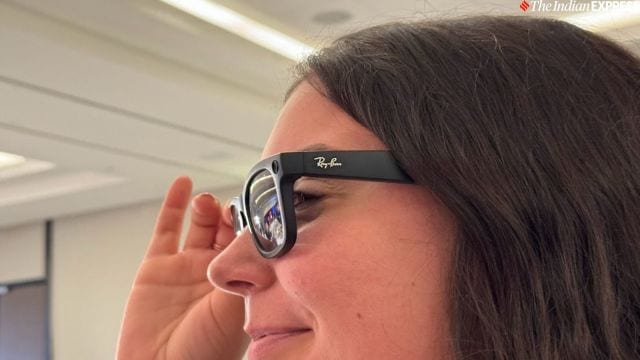
Meta’s Ray-Ban glasses showcase the potential use case of Gen AI in a familiar and easy-to-use form factor. They look like regular Ray-Bans, aren’t bulky, and the AI functionality works seamlessly. The best part about these glasses is that they aren’t trying to be a face-computer but rather a complementary device to your smartphone.
In fact, these smart glasses have been outselling traditional Ray-Bans in some stores across Europe, the Middle East, and Africa, highlighting the growing consumer enthusiasm for such devices. Although they aren’t designed for augmented reality experiences, users can take photos, listen to music, and ask the Meta AI digital assistant for information about objects within their field of view.
Perhaps the most impressive aspect of the Ray-Ban glasses, like smartphones, is that Meta continues to improve them through software updates. Earlier this year, Meta began rolling out Gen AI features for the device and later announced several new AI capabilities at its Connect event in September.
Story continues below this ad
It wouldn’t be wrong to say that Meta’s Ray-Ban glasses are a true AI success story. It is the execution that might have worked in favour of Meta. You can snag the Meta Ray-Ban glasses for as low as $239 during the Black Friday sale.
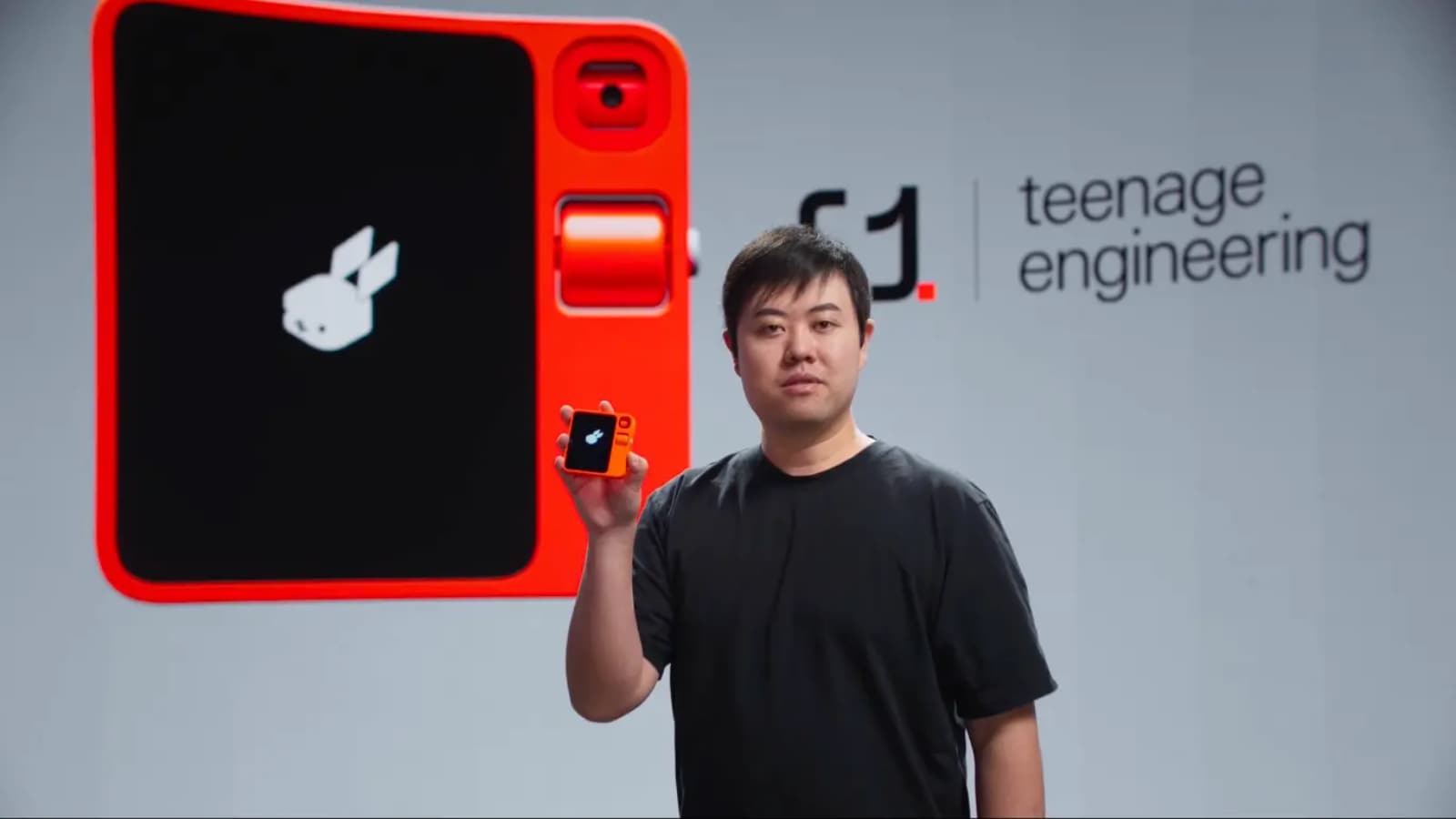
Rabbit R1 is a new type of AI gadget. (Image credit: Rabbit)
Rabbit R1
When the Rabbit R1 was announced earlier this year at the CES tech show, the device seemingly came out of nowhere and captured the interest of both the tech community and the general public. The bright orange-coloured AI gadget, the R1, was positioned differently from smartphones, and based on early demos, its computer vision was praised, helping the device stand out in the market.
The $200 R1 has a camera and dual mics, allowing it to record audio clips, set timers, or perform more advanced tasks like providing search results, making voice recordings, and streaming music. However, upon release, the device didn’t exactly have smooth sailing. It fails to outdo what a smartphone can already do. Since its release, the R1 has seen significant improvements, and the startup promises a much better experience with the AI gadget.
Maybe the R1 isn’t perfect, but it does what AI can do on a device built specifically for artificial intelligence.
Story continues below this ad
Bee
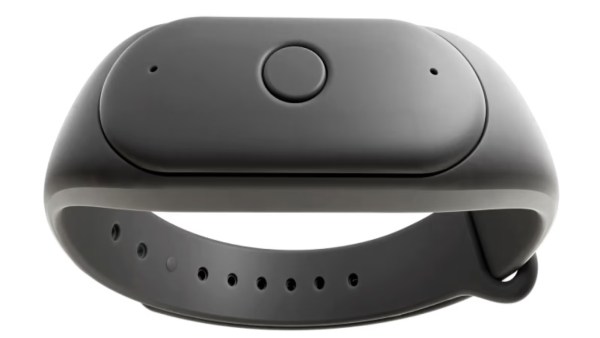
Bee is a new AI wristband on the market, but what makes it different from other smart wearables is that the device is built for generative artificial intelligence.
Bee understands 40 languages and can also be integrated with people’s Google and Gmail accounts. (Image credit: Bee)
The Bee may look like an ordinary connected smart band, but it functions via a connection to users’ smartphones. It has dual mics that allow it to listen to and analyze people’s voice memos and conversations to provide summaries and to-do lists. The device understands 40 languages and can also be integrated with healthcare tools and people’s Google and Gmail accounts to help generate personalized summaries and action items.
The wearable, which went on sale recently, costs $50, and those who want better memory or additional capabilities will have to pay a $15 subscription.
Google Pixel Buds Pro 2
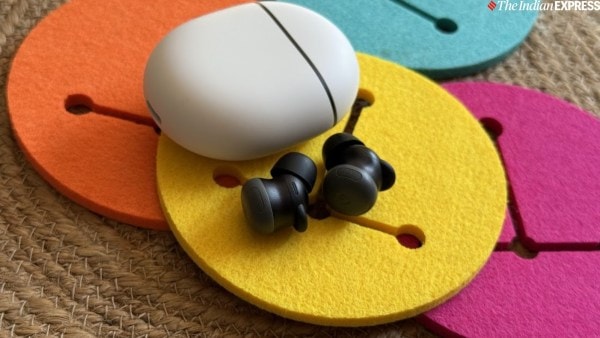
Google’s flagship Pixel Buds Pro 2 aren’t just designed for listening to music—they also feature AI throughout. This is likely why Google uses generative AI as a core feature and a selling point for the Pixel Buds Pro 2.
Story continues below this ad
While the previous generation of Pixel Buds featured Google Assistant and the “Hey Google!” functionality, the new iteration also comes with Gemini AI. This gives the Buds access to Google’s new Gemini Live AI feature by saying “Let’s talk” after activating the assistant with the wake command.
Although the feature can be inconsistent, it gives the Google Assistant experience a more conversational, interactive feel and allows you to receive advanced search results read back to you through the buds. Google seems to be going all-in with the AI-powered features of its new wireless earbuds. While the technology may not be perfect, it promises an expanded use case for AI in wireless earbuds—going beyond what AI can do on a smartphone.
Kindle Scribe (2024)
When the Scribe debuted last year, it was Amazon’s first e-reader with pen support. It’s a terrific e-ink tablet, though priced on the higher side. With the new generation of Scribe just hitting the market, Amazon is adding improved features that elevate the handwriting experience with the help of AI.
Kindle Scribe’s AI-powered features feel like first-generation integration. (Image credit: Amazon)
The first, called Refined Writing, analyses all of your handwritten notes and converts them into something more legible. The second feature, called Summarise, looks at all of your writing and distils it into a one-page summary of the key points. The $399 Scribe is a new type of device—part e-ink reader and part tablet.
Story continues below this ad
From what Amazon has showcased, Scribe’s AI-powered features do feel like first-generation integration, but they’re not an afterthought; they’re core to the experience.


 7 min read



 Rabbit R1 is a new type of AI gadget. (Image credit: Rabbit)
 Bee understands 40 languages and can also be integrated with people’s Google and Gmail accounts. (Image credit: Bee)
 Google seems to be going all-in with the AI-powered features of its new wireless earbuds.(Image credit: Anuj Bhatia/
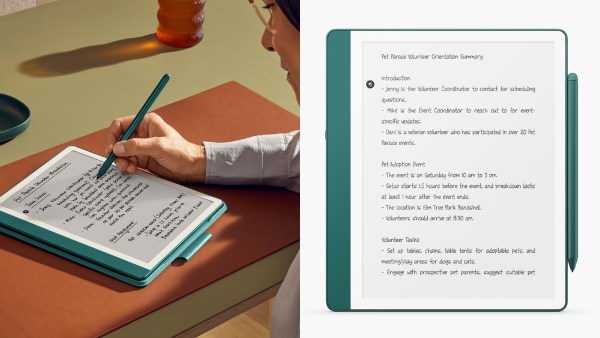 Kindle Scribe’s AI-powered features feel like first-generation integration. (Image credit: Amazon)