


Journalism of Courage



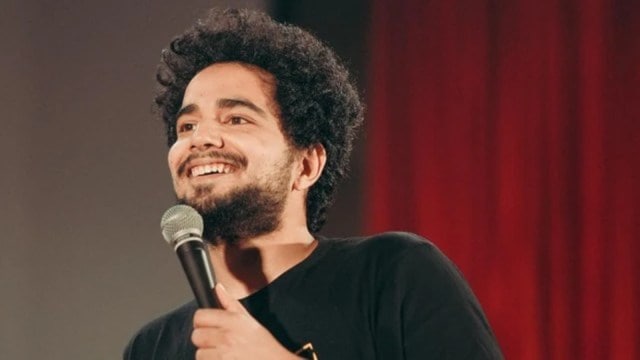 The Supreme Court Monday directed social media influencers, including Samay Raina, to display apology on their channels. (Source: Instagram)
 The Supreme Court Monday directed India’s Got Latent host Samay Raina and four of his co-comedians to display their unconditional apology on their show or podcast for ridiculing those with disabilities, and rare genetic disorders.
A bench of Justices Surya Kant and Joymalya Bagchi said it will decide when it hears the matter next on the quantum of penalty to be paid by the comedians Raina, Vipun Goyal, Balraj Paramjeet Singh Ghai, Sonali Thakkar, also known as Sonali Aditya Desai, and Nishant Jagdish Tanwar.
Justice Kant said, The degree of repentance should be higher than the degree of offending, it’s like purging contempt”.
The court said the Information Technology Act can include penal consequences for such actions, and asked Raina and others to “go apologise on your podcasts, etc…”. “Then tell us about the cost/penalty you are willing to bear.”
Justice Bagchi said, “Humour is well taken and is a part of life. We laugh at ourselves. But when we start laughing at others and create a breach of sensibility… on a community plane, when humour is generated, it becomes problematic”.
“And this is what so-called influencers of today should bear in mind. They are commercialising speech. The community at large should not be utilised to hurt the sentiments of certain sections. It’s not only freedom of speech, it’s commercial speech,” Justice Bagchi added.
The court was hearing a petition filed by SMA Cure Foundation accusing them of cracking insensitive jokes about persons with disabilities (PwDs). The case involving Raina and others had arisen close on the heels of the controversy allegedly involving YouTuber Ranveer Allahbadia over certain objectionable remarks during India’s Got Latent.
Following the Allahbadia controversy, the SC, in February this year, while conveying its intention to do something to regulate content on social media without encroaching on the fundamental right to free speech and expression, had asked the Centre for its views.
The Foundation subsequently approached the court seeking to be impleaded in the matter while highlighting the need for adequate and explicit protections in the regulatory framework to protect persons with disabilities from ‘disabling humour’ which it said is denigrating, demeaning, and disparaging persons with disability.
It said the misuse of the freedom of speech impinges upon the fundamental rights and dignity of persons with disabilities, propels offensive stereotypes and misguided portrayals, and detrimentally impacts the societal perceptions which foster insensitivity and inhumanity.
On Monday, Attorney General R Venkataramani informed the bench he will place on record the proposed draft guidelines, but added that there cannot be a “complete gag”.



 3 min read


