


Stay updated with the latest - Click here to follow us on Instagram
Tags:


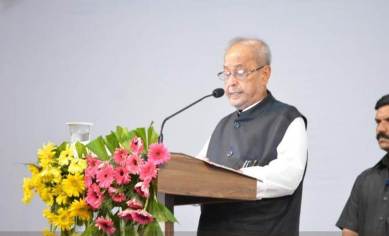
Today, I’m here to share with you my understanding of the concepts of Nation, Nationalism and Patriotism in the context of India, that is Bharat. These three concepts are so closely intertwined that it is difficult to discuss any one of them in isolation…
***


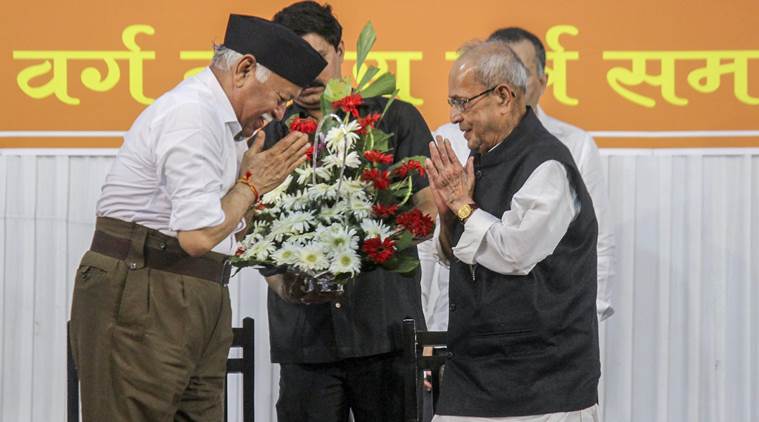
…The concept of Modern Indian State found frequent articulation by various Indian organisations including the Indian National Congress towards the end of nineteenth century… This Nation and Nationalism was not bound by geography, language, religion, or race. As Gandhiji explained Indian nationalism was not exclusive, nor aggressive, nor destructive. It was this Nationalism that Pandit Jawaharlal Nehru so vividly expressed in the ‘Discovery of India’….

…On 26 January 1950, the Constitution of India came into effect. In a remarkable display of idealism and courage, we the people of India gave to ourselves a sovereign democratic republic to secure for all its citizens justice, liberty, and equality. We undertook to promote among all citizens fraternity, the dignity of the individual and the unity of the nation. These ideals became the lodestar of the modern Indian State. Democracy became our most precious guide towards peace and regeneration from the swamp of poverty created by centuries of colonial rule. For us, Democracy is not a gift, but a sacred trust. The Indian Constitution, consisting of 395 articles and 12 schedules, is not merely a legal document but a Magna Carta of socio-economic transformation of the country. It represents the hopes and aspirations of the billion plus Indians. From our constitution flows our nationalism. The construct of Indian nationalism is ‘Constitutional Patriotism’, which consists of an appreciation of our inherited and shared diversity; a readiness to enact one’s citizenship at different levels; the ability to self correct and learn from others.
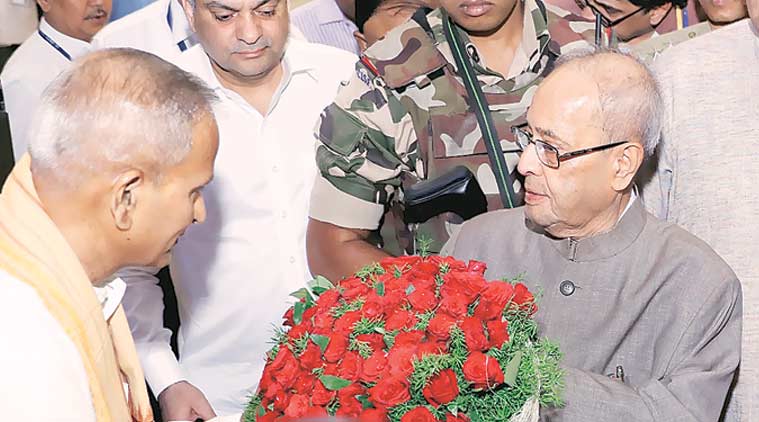
…The soul of India resides in pluralism and tolerance. This plurality of our society has come through assimilation of ideas over centuries. Secularism and inclusion are a matter of faith for us. It is our composite culture which makes us into one nation. India’s Nationhood is not one language, one religion, one enemy. It is the ‘Perennial Universalism’ of 1.3 billion people who use more than 122 languages and 1600 dialects in their everyday lives, practice 7 major religions, belong to 3 major ethnic groups Aryans, Mongoloids, and Dravidians live under one system, one flag and one identity of being ‘Bhartiya’ and have ‘No Enemies’.

…In a democracy, informed and reasoned public engagement on all issues of national importance is essential. A dialogue is necessary not only to balance the competing interests but also to reconcile them. Divergent strands in public discourse have to be recognized. We may argue, we may agree, or we may not agree. But we cannot deny the essential prevalence of multiplicity of opinion. Only through a dialogue can we develop the understanding to solve complex problems without an unhealthy strife within our polity.
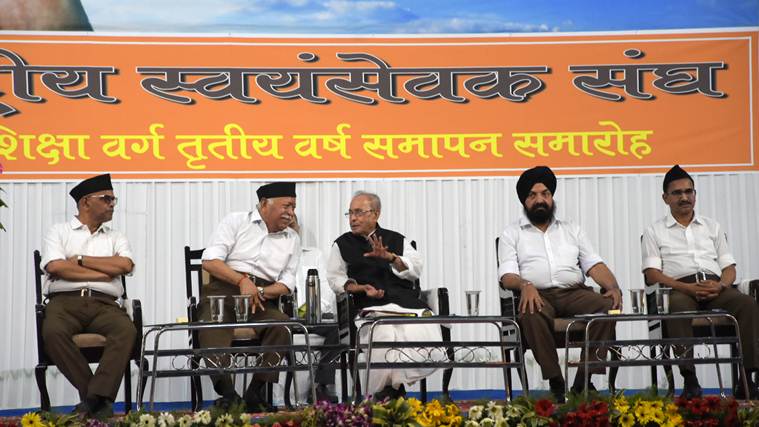
…Manifestations of rage are tearing our social fabric. Every day, we see increased violence around us. At the heart of this violence is darkness, fear, and mistrust. We must free our public discourse from all forms of violence, physical as well as verbal. Only a non-violent society can ensure the participation of all sections of people in the democratic process, especially the marginalized and the dispossessed. We must move from anger, violence, and conflict to peace, harmony, and happiness.


Stay updated with the latest - Click here to follow us on Instagram


