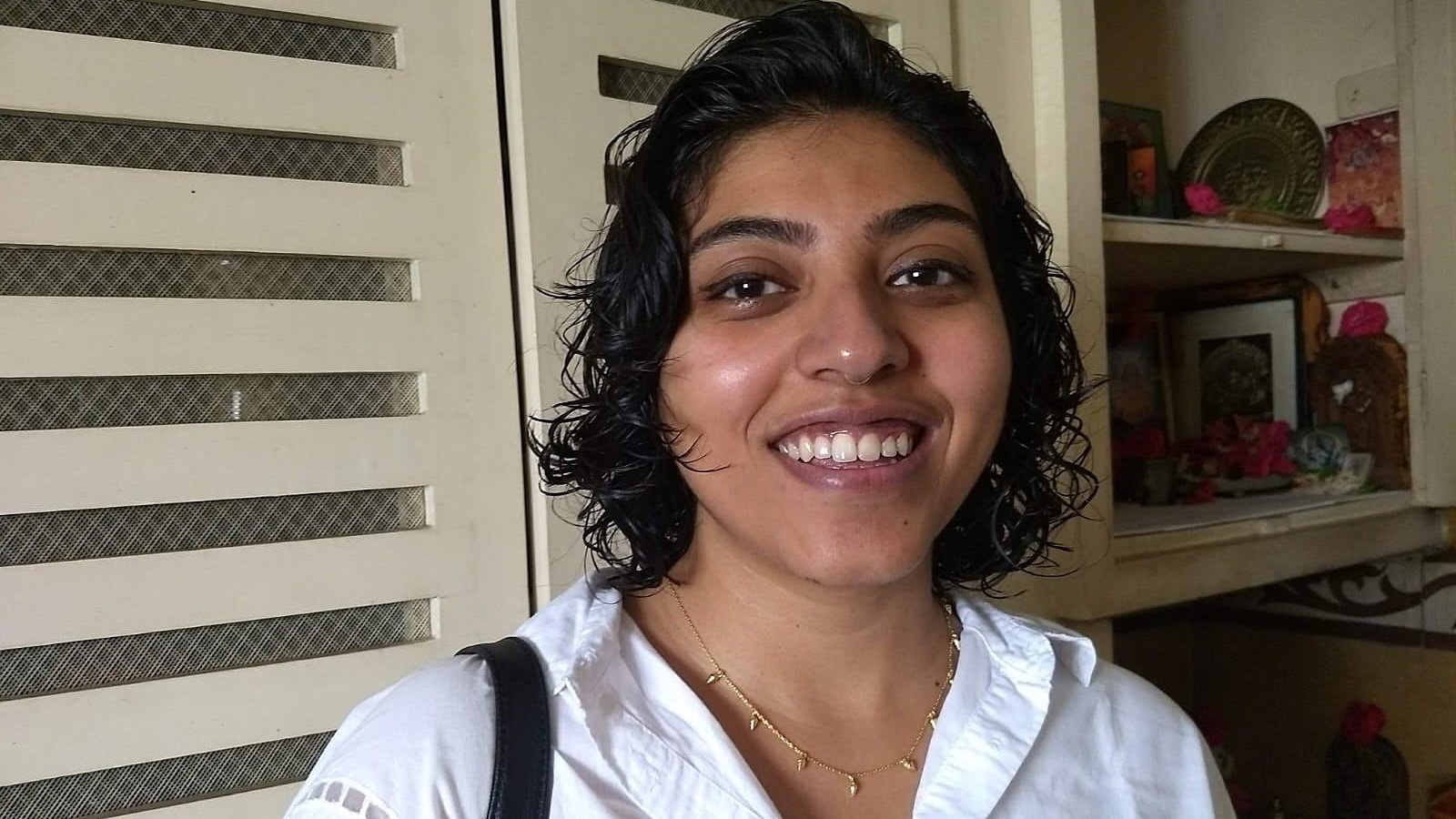
Ranjani Srinivasan, 37, was pursuing her PhD in urban planning from Columbia University and had been in the US since 2016 when the US Consulate in Chennai revoked her visa on March 5. Tracked by Immigration and Customs Enforcement (ICE) officers, Srinivasan left the country for Canada. A day after she left, the US secretary of homeland security Kristi Noem referred to her as a “terrorist sympathiser” who “self-deported”.

Are you saying you were “mistakenly arrested” during a pro-Palestinian protest on the Columbia University campus and that you had nothing to do with the protests that rocked the campus in April 2024?
I am sympathetic to the (pro-Palestinian) protests that have been going on campus. I think the university has been heavy-handed in dealing with everything that has been going on, which led to the current turn of events. But, as much as I was following things online, I wasn’t physically there to be part of anything.
I wasn’t really in the US till April 22, 2024, because I was doing field work in India. I reached the US — Boston — on April 25 or 26 and was not really on campus for most of the protests. On April 30, there was a department picnic at Riverside Park, which runs alongside Columbia University. I went to the picnic with some cake and cookies and was returning from there when I, along with my colleagues, realised that the whole perimeter was barricaded. There were many – around 200 – New York Police Department (NYPD) officials who were roaming around there. We circled the place for over an hour, and I finally tried to get to my residential place which abuts the university. But then the police picked me up in the melee, even though I was not actively trying to be part of the protest.
You were called a “terrorist sympathiser” by the secretary of homeland security Kristi Noem in a post on X. How would you define yourself?
I am someone who supports the Palestinian people’s right to self-determination. Not that I have been vocal about this opinion of mine. I just liked tweets or signed petitions that challenged academic repression and which said that the violence (in the Middle East) needs to stop. I don’t think that this makes me a terrorist sympathiser. Such branding is a common tactic to stifle any sort of talk on human rights.
What is your stand when it comes to Hamas?
Story continues below this ad
I am someone who says that there should be peaceful negotiations and that people need to be given democratic rights and the right to self-determination. Therefore, I would say that the rhetoric which is being weaponised against people like me – that we are Hamas sympathisers or terrorist sympathisers – is a very reductive kind of discourse.
The US authorities also widely publicised that you “self-deported”? Was that the case?
No, I just left the country because my I-20 visa was illegally terminated, and Columbia disenrolled me so that I will not have access to housing so that Immigration and Customs Enforcement (ICE) can detain me. I was compliant with the rule that you can leave the country within 15 days of visa revocation. But ICE (Immigration and Customs Enforcement) did not seem to know that I had left the country, and they came with a warrant on March 13 to detain me. My lawyers informed ICE that I had left the country ,and they asked for proof. While we were trying to gather proof of leaving the country, the post came out stating that I ‘self-deported’. I did not even know that one can self deport. I just left the country like how we normally leave.
Your student visa was cancelled and Columbia University disenrolled you. The contention is that you did not reveal, in your visa interview, that you were arrested and received a summons in this connection.
Story continues below this ad
The charges against me were trumped up. These were dismissed and I never even had to go for the hearing. I, however, wasn’t told directly that my visa was being cancelled because of the arrest and the subsequent summons. Generally, if you make some sort of error in your application, the authorities reach out to you for more information. Nothing escalates to what it finally did in my case. For someone who has had a perfect immigration record – but even otherwise – it shouldn’t have gone down this way.
Why did you opt to study in the US? What about the country and the academics attracted you?
US universities had a great culture of academic freedom and professional opportunities. It was in all ways beneficial for an international student. I do think that some of the most cutting-edge scholarship comes out of US universities. But I never really let go of my Indian roots. I wasn’t ever planning to give up my Indian citizenship. So, I wasn’t really chasing the American Dream.
Do you feel let down by the University in all that has happened?
Story continues below this ad
Yes, I do feel let down by Columbia. But I also feel concerned about the changes that I have seen on campus – the lack of academic freedom, the looming climate of fear and the level of persecution people are facing on campus.
You are still talking about the right to self-determination of the Palestinian people despite such heavy clampdown on you. Why?
I was taught these democratic values at a young age in my family. My father is a doctor who has worked in warzones and done humanitarian work. My idea of caring about human rights comes from him. I come from a family which cares about democratic politics. My grandfather was a polling official in the first election held in India in 1952. I think value of self-determination comes from these ideals I have lived with all my life.
Are you fine now in Canada? What are your future plans?
Story continues below this ad
I am on a visitor’s visa in Canada and I am fine. I am trying to see if Columbia comes to its senses and re-enrolls me. I can do the work remotely. I hope to finish my PhD.


 7 min read