


Stay updated with the latest - Click here to follow us on Instagram
© The Indian Express Pvt Ltd
Tags:


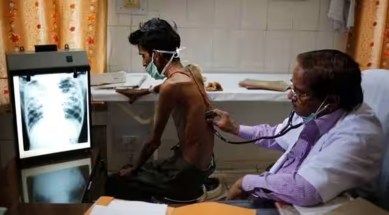
Due to the persistent shortage of drugs for Multi-Drug Resistant Tuberculosis (MDR-TB) patients, district TB officers have now been tasked with procuring medicines directly. However, despite getting this leeway in the procurement of medicines, district officers are forced to prioritise patients based on the severity of their illness as their budget is restricted to Rs 5,000 for one-time purchase, with which they can purchase only nine Cycloserine medicine strips against a daily demand from around 500 patients.
While the country has set a target of eliminating TB by 2025, crucial three drugs — Clofazimine, Linezolid, Cycloserine — for MDR-TB patients have not been available in Maharashtra for about a month. The state health department blames the Centre for this shortage.


Though the central TB department advises direct purchase by district TB departments, they lack the freedom to place bulk orders, jeopardising patient resistance and risking fatalities from TB.
“Firstly, the vendors don’t have stocks. Secondly, we are restricted to a one-time purchase amounting to Rs 5,000. This poses a dilemma. Some vendors offer limited quantities, making it a tough task for us to decide which patients should get the medicine as we have to prioritise, depending on the condition of the patient. At our level, we can only cater to 5-10 percent of patients,” said a district TB officer.
In August, the districts with more patients procured supplies from regions with lesser patient load. But now, all reserves have been depleted. According to the TB officer, the situation has deteriorated further in September. While Linezolid supply is somewhat under control, Cycloserine remains unavailable.
The drug shortages have pushed patients to the brink of a health crisis, with some fearing for their lives as they wait for medication.
Tangaraj Naidu, a resident of Wadala diagnosed with MDR-TB in July, has been going without Cycloserine for over 25 days. Despite his parents’ advanced age, he used to wait in long queues for drugs, risking infection for others. However, as his health deteriorates, he now stays confined to his 100sqft chawl, going through coughing fits and excruciating pain.
“I am breathless, and my body aches in every joint. I had TB a few years ago but recovered with medicine. This time, without medicine, I don’t think I have a chance of survival,” said the 23-year-old.
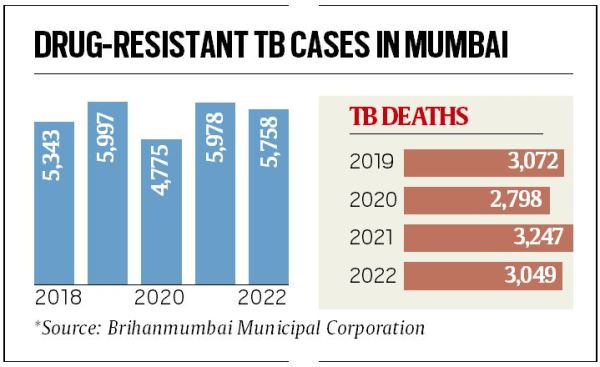
Mumbai alone reports 5,000 drug-resistant TB cases annually and around 3,000 TB patients die in the city every year. Social activists have raised concerns about the prolonged unavailability of life-saving drugs and fear a rise in fatalities. Missing prescribed medications exposes MDR-TB patients to serious consequences, including worsening symptoms and drug-resistant strains, increasing the risk of death from TB-related complications.
“Firstly, their condition worsens, and the infection spreads, damaging their lungs and other organs. This progression leads to severe symptoms, including persistent coughing, chest pain, fatigue, and weight loss. Secondly, MDR-TB becomes even more challenging and costly to treat, often necessitating second-line medications with harsh side effects,” said Ganesh Acharya, an activist raising awareness about TB.
Moreover, untreated or poorly managed MDR-TB can result in drug-resistant strains, such as extensively drug-resistant TB (XDR-TB), which are even harder to treat and carry higher mortality rates. “Ultimately, the absence or irregularity of medication increases the risk of death from TB-related complications, posing a significant public health concern,” added Ganesh.
Not only adult patients, but paediatric MDR-TB patients are also experiencing hardship. A 14-year-old MDR-TB patient, lacking access to Cycloserine, now suffers from breathlessness. His mother, speaking to The Indian Express, revealed how she has spent over Rs 10,000 procuring medicine from a private supplier since August, even though it was supposed to be provided free of cost by the TB department.
“My son requires one dose of Cycloserine per week, with three daily doses. Initially, I purchased it from local suppliers at an exorbitant price just to save my son. Unfortunately, they have also run out of stock now,” said the boy’s mother.
In another instance, Ruksana Ali Khan, a 37-year-old patient from Kurla, has developed hearing complications due to the unavailability of the medicine. Ruksana’s husband Rajjab Ali Khan told The Indian Express how he stands in long queues daily just to obtain the necessary medicines.
“I have two young children, and I can’t bear the thought of them losing their mother,” said Rajjab Ali Khan who has now placed a Rs 4,000 order in Lucknow, from where the medicines will be procured and brought to the city by a relative.
Despite multiple attempts, Dr Rajendra Joshi, the deputy director-general of the Central TB Division, has not responded to emails and messages inquiring about when the drug shortage issue will be addressed. State TB officer Dr Sunita Golait said that the issue of shortage of drugs will be resolved soon.
Stay updated with the latest - Click here to follow us on Instagram


