


📣 For more lifestyle news, click here to join our WhatsApp Channel and also follow us on Instagram
© IE Online Media Services Pvt Ltd
Tags:


When making matcha, many people might not realise that the type of spoon they use can affect the quality of their tea.
This is highlighted in a reel posted by digital creator Mona Vand. She discourages people from using metal spoons with matcha, and advocates using a wooden spoon instead. “I love embracing the beauty of using wooden spoons with matcha. It really enhances the whole experience — adds elegance and a sense of calm and connection with nature, and improves taste,” she captions the post.

Alok Singh, founder at Diga Organics and expert in Food Science, Agriculture, says, “Using a metal spoon with matcha powder can lead to potential chemical reactions due to the reactive nature of certain metals and the sensitive compounds in matcha.”
Matcha contains catechins and chlorophyll, he adds, which can be affected by trace metal ions. Oxidation is one example of how dietary antioxidants react with metals, such as reactive ones like aluminum or non-stainless steel. This reaction can alter the unique characteristics of matcha, making it taste metallic or even bitter.
“Using a wooden spoon for matcha is both a traditional practice and a scientifically sound choice,” Singh stresses.
Unlike matcha powder, which is chemically active, wood does not react, ensuring that the subtle and beneficial taste and healthful compounds in matcha remain intact.
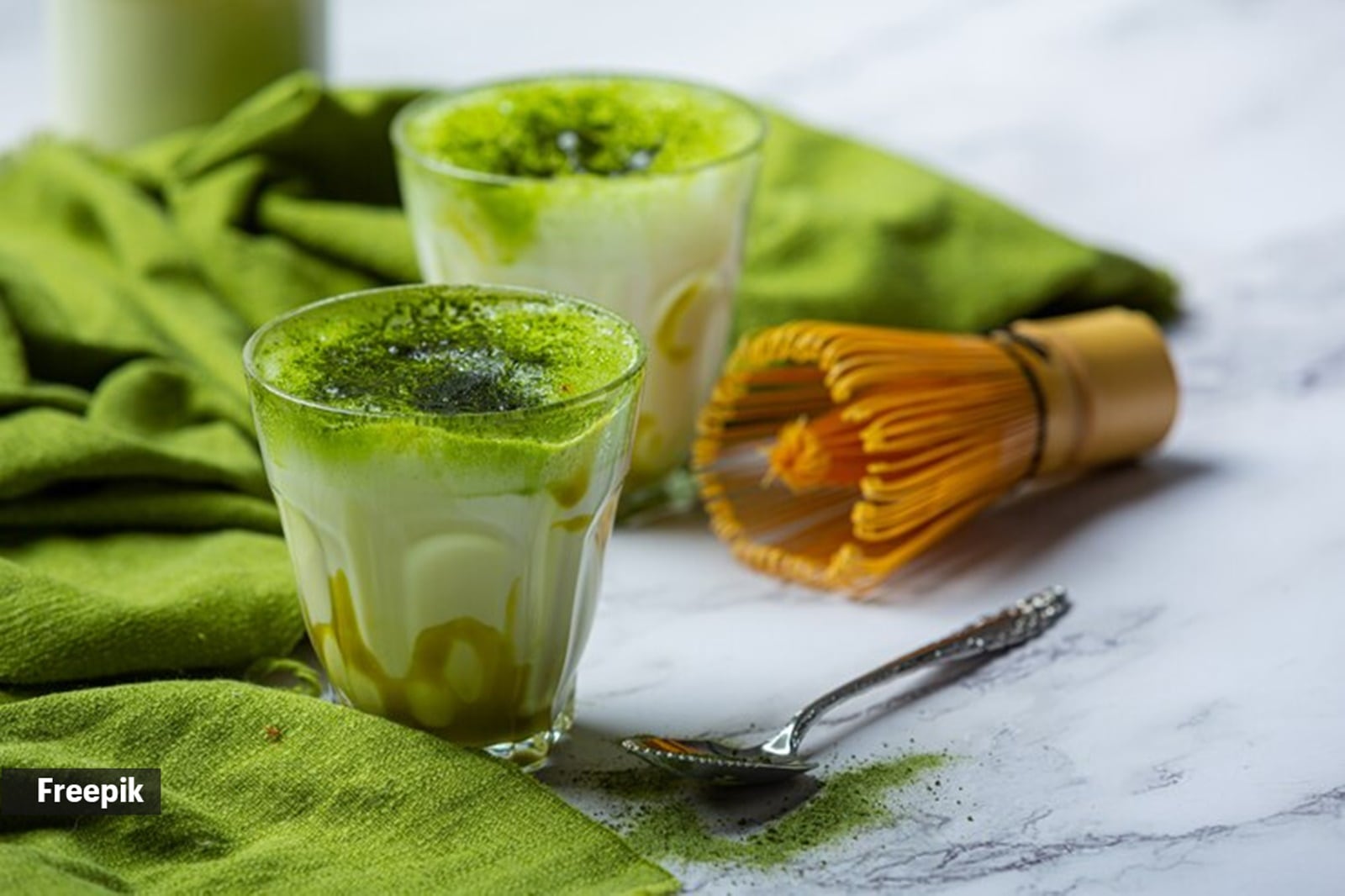
In the Japanese tea ceremony, he explains that a bamboo ladle called ‘chashaku’ is one of the earliest implements used. This highlights the importance of using materials that do not affect the tea’s flavour.

“Using a wooden spoon over a metal one offers several sustainability and environmental benefits as well,” he says.
There are some health concerns if one uses a metal spoon while making matcha drinks or food. These are:
Leaching of harmful metals: If the coatings on metal spoons (e.g., compounds with acids or reactive substances) are not properly controlled, they may become contaminated with metals during the activation process. Besides leaching safe metals, harmful metals might also leach into the tea if consumed regularly.
Taste and quality: Heavy metals present in metal spoons can react with matcha, diminishing its antioxidant properties and introducing a metallic taste. The benefits of matcha, such as its high antioxidant content, are best preserved with proper utensils.


