


📣 For more lifestyle news, click here to join our WhatsApp Channel and also follow us on Instagram
Tags:



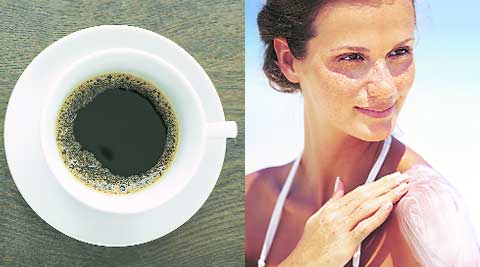
Scientists have found an association between caffeine intake and more bothersome hot flashes and night sweats in postmenopausal women. The study by Mayo clinic researchers in the US also showed an association between caffeine intake and fewer problems with mood, memory and concentration in perimenopausal women, possibly because caffeine is known to enhance arousal, mood and attention. The findings of this largest study to date on caffeine and menopausal symptoms will be published in the journal Menopause. For the study, researchers conducted a survey using the Menopause Health Questionnaire, a comprehensive assessment of menopause-related health information that includes personal habits and ratings of menopausal symptom presence and severity. Questionnaires were completed by 2,507 women who presented with menopausal concerns at the Women’s Health Clinic at Mayo Clinic in Rochester between 2005 and 2011.

How nanoparticles in sunscreens may affect our skin
Titanium dioxide nanoparticles have been used increasingly in sunscreens in the last decade to protect the skin because the tiny particles directly absorb the radiation from sunlight, especially in the UVB range. But because the articles are so tiny — generally about 100 nanometres across, compared with about 3,000 to 9,000 nanometres for a speck of dust — some scientists have raised concerns about whether they might do harm by seeping through the skin and into the bloodstream. But research has largely dismissed such concerns about absorption, and most experts say that sunscreens containing nanoparticles can be safely used. More recently, concerns have focused on the possibility that these nanoparticles could promote skin aging. Nanoparticles tend to heat up a little when they absorb UV radiation, says Paul Westerhoff, a professor at Arizona State University’s School of Sustainable Engineering and the Built Environment, and some research suggests that this process could cause oxidative damage to the skin.


