


Stay updated with the latest - Click here to follow us on Instagram
Tags:


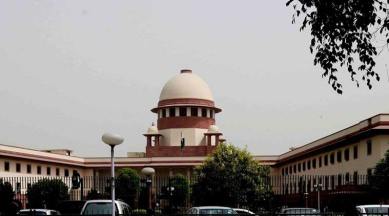
The Centre may have tried to distance itself from the Supreme Court ruling on the Scheduled Castes and Scheduled Tribes (Prevention of Atrocities) Act but senior advocate Amarendra Sharan, amicus curiae in the matter, Tuesday said it was the government which told the apex court that anticipatory bail should be given in case no prima facie case is made out under the Act.
“The Union of India had submitted that anticipatory bail could be given in case there is no prima facie case being made out under the Scheduled Castes and Scheduled Tribes (Prevention of Atrocities) Act. Even the data regarding misuse of the Act was provided by the learned ASG,” Sharan told The Indian Express.

Referring to the protests Monday by Dalits who alleged dilution of the Act, Sharan underlined the role of the state and said: “No court can have verdicts issued under pressure from a mob or political compulsions of any sort… reports from Madhya Pradesh say that the police didn’t fire — someone else did and lives were lost. We need to be able to protect our SC and ST citizens too. The state must take responsibility for it and no innocent life must be lot.”
In the Supreme Court Tuesday, Attorney General K K Venugopal urged the bench to reconsider its directions which decreed that permission should be taken before making an arrest under the Act.
In a 35-page report, the amicus curiae had argued for Section 18 of the Act to be struck off as it was not in consonance with the Constitution. According to the report, Section 18 did not stand the test of constitutionality as enshrined under Articles 14 and 21 and was to be declared ultra vires.
The report of the amicus curiae was in three parts — the first part dealt with the merits of the case in question; part two on guidelines to be followed before making an arrest under the Act; and, part three that contested the constitutionality of Section 18.


Stay updated with the latest - Click here to follow us on Instagram


