


📣 For more lifestyle news, click here to join our WhatsApp Channel and also follow us on Instagram
© IE Online Media Services Pvt Ltd
Tags:


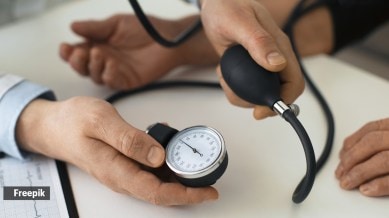
What does a blood pressure reading of 116/71 mm/Hg indicate? Does it mean a lower risk of heart attack? Taking a cue from a Quora query that asked ‘My blood pressure reading was 116/71 mm/Hg. That’s normal, right? Can I still have a heart attack?’, we approached experts to seek answers. Dr Swarup Swaraj Pal, chief CVTS surgeon, Cardiovascular and Thoracic, MICS, Trauma and Transplant surgeon, Gleneagles Hospital, Parel, Mumbai, said the blood pressure reading of 116/71 mmHg is actually normal and healthy.
“It means your heart is pumping blood at a good pressure and there’s no immediate reason to worry. A normal range is usually between 90/60 and 120/80 mmHg, so you are doing well in that area,” said Dr Pal.

However, it’s important to know that heart attacks don’t always depend only on blood pressure. They can happen due to blockages in heart arteries, high cholesterol, smoking, stress, diabetes, or family history. “Even people with normal blood pressure can have heart issues if other risk factors are present. Since you feel nervous about it, try to focus on simple preventive habits like eating more fruits, vegetables, and whole grains; avoiding fried or oily foods; exercising regularly; sleeping well; and managing stress through deep breathing or meditation,” said Dr Pal.
Emphasising that blood pressure is just one part of the big picture of heart health, Dr Parin Sangoi, consultant interventional cardiologist at Wockhardt Hospitals, Mumbai Central, said one can “have perfect readings” but still have blockages forming in the arteries due to lifestyle and metabolic factors. “As a matter of fact, we often see patients who exercise regularly, eat well, and have normal BP-yet develop heart issues because of hidden cholesterol or inflammation. That is why regular health check-ups, including lipid profile and ECGs, are important for early detection,” said Dr Sangoi.
What, other than BP, should be monitored?
Monitor your cholesterol, blood sugar levels, waist circumference, and stress levels, said Dr Sangoi. Unmanaged stress, sleep deprivation, or any other form of emotional burnout can increase the levels of stress hormones like cortisol, which can affect the heart indirectly. Subtle symptoms in women might include fatigue, pain in the jaw or back rather than classic chest pain,” said Dr Sangoi.
What to note?
If you ever feel chest pain, shortness of breath, dizziness, or pain in your arm or jaw, seek medical help immediately. “Otherwise, keep calm and continue with healthy habits. Anxiety can also make your heart race or cause chest discomfort, but it’s not the same as a heart attack. You’re doing fine, just stay active and get regular check-ups for peace of mind,” said Dr Pal.
*Aim for 30–40 minutes of activity most days.
*Eat more fruits, vegetables, and foods rich in fiber; decrease the amount of processed and fried foods.
*Quit smoking, limit the use of alcohol, and manage sleep.
*Go for annual heart check-ups after 35 years, or earlier if there is a family history.
*A calm mind and consistent lifestyle are your heart’s best protection, not just a good blood pressure reading, said Dr Sangoi.
DISCLAIMER: This article is based on information from the public domain and/or the experts we spoke to. Always consult your health practitioner before starting any routine.


