


📣 For more lifestyle news, click here to join our WhatsApp Channel and also follow us on Instagram
© IE Online Media Services Pvt Ltd
Tags:


Many people fast during the nine auspicious days of the Navratri festival, during which different forms of goddess Shakti are worshipped. Fasting is a good way to help the body detox and “cleanse” oneself, but it must be noted that many nutritional requirements for the body need to be taken care of. Celebrity nutritionist Rujuta Diwekar explains the significance of fasting and shares an ideal diet plan during for those fasting during Navratras on her Instagram page.
ALSO READ | Navaratri 2019: Fasting tips for people with diabetes

“It’s the time of the year when the end of Pitru Paksha leads to the beginning of Navratri. Both, in their own way, are a means that use food or ‘anna‘ as a learning tool. Pitru Paksha is about charity and offering food to the ancestors who no longer live in their bodies and in the realm of our world. And Navratri, amongst many other things, is about staying disciplined with food to help nurture the creative and the feminine principle in our physical bodies,” she wrote in the post explaining how Navratri is of special significance to women as they are live expressions of the divine mother.

According to Diwekar, whether one chooses to express themselves as forms of Annapurna, Saraswati, Lakshmi, Durga or Kali, it is “our cultural way of feminism”.
ALSO READ | Navratri celebrations in South India: All you need to know
“The food is ‘restricted’ as a method of disciplining the senses… it empowers the women with nutrients that make them not just physically stronger but helps bring about a balance at the hormonal level too. This is because of the diversity of foods that are traditionally eaten during this time. It’s a ‘religious’ method of teaching families that good physical health of women and girls is of paramount importance to the well-being of communities and societies,” she wrote.
In the diet plan, she mentions that one should either opt for a fresh fruit or handful of nuts or raisins which have been soaked overnight with kesar on waking up, then consume Singhare ke Pakode or Sabudana Khichdi or sweet potato with dahi or alu ki kheer.
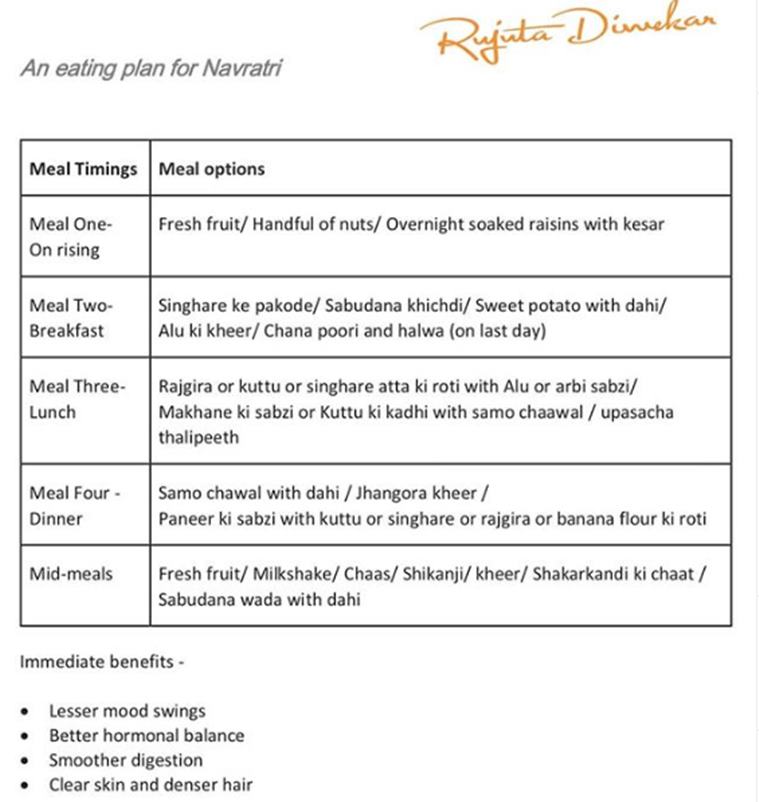
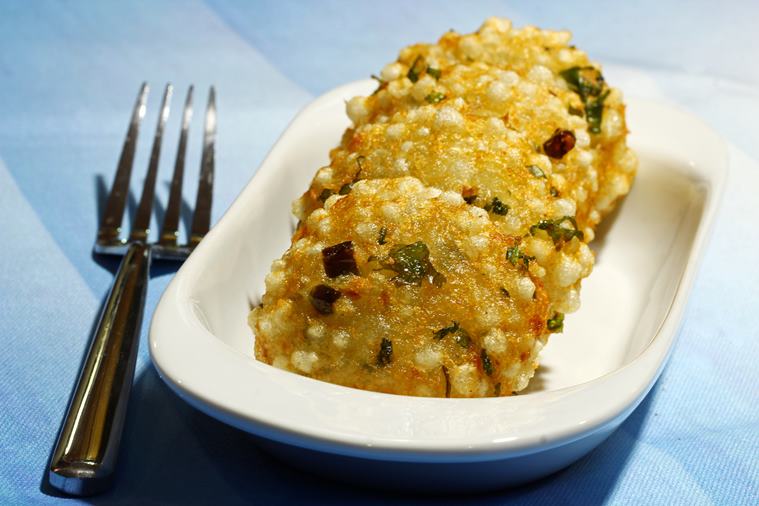
She advised that people who are observing fasts could also opt for mid-meals like fresh fruits or milkshake or chaas or shikanji or kheer or sweet potato chaat or sabudana wada with dahi.
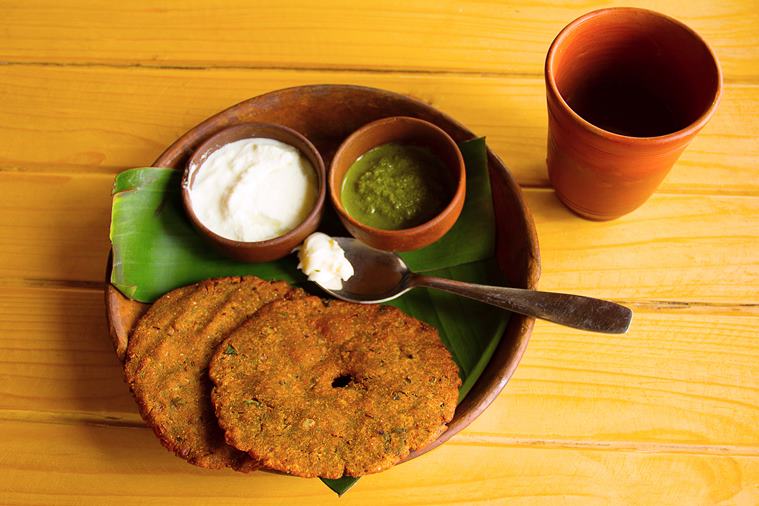
For lunch, one could go for kuttu or rajgira or singhare atta ki roti with alu or arbi sabzi or makhane ki sabzi or kuttu ki kadhi with samo chaawal or upasacha thalipeeth.
For dinner, she recommended samo chawal with dahi or jhangora kheer or paneer ki sabzi with kuttu or singhare or rajgira or banana flour ki roti.
However, she had a word of caution. “This is a rough food plan but please make alterations to it based on the region you come from and according to what your grandmom approves,” she stated.


