


© The Indian Express Pvt Ltd
Tags:


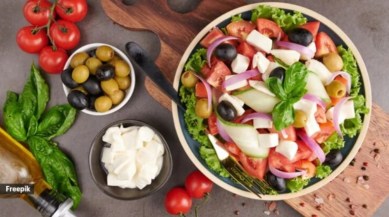
If you have been suffering repeated bouts of stomach ache and diarrhoea, it’s worthwhile to check your diet. Have you been having too many breads, frozen, ready-to-eat/heat meals, all of them topped up with sauces, cheese, spreads and gravies? The food we eat is destroying the good bacteria in the gut and triggering conditions like inflammatory bowel disease (IBD), which involves inflammation of tissues lining your digestive tract. Though rare 50 years ago, it is increasingly affecting Indians now.
This happens when your immune system tries to fight off too many invading viruses or bacteria, overreacts and attacks the cells in the digestive tract, too. A wrong diet aggravates this condition further. Now latest research says that since diet is a trigger, managing it can control IBD. Recent research shows that the Mediterranean diet can be the best bet for IBD patients. “That’s because it is more plant-based. Yet the most radical change so far in our diet has been a switch from a plant-based to an animal-sourced diet, leading to a more pro-inflammatory microbiota in the intestines,” says Dr Rakesh Kochhar, former HOD, gastroenterology, PGIMER, Chandigarh. A Western diet has an overall higher calorie intake, especially from sugar, refined carbohydrates, animal proteins and ultra-processed foods.

Can diet help in healing IBD?
Even when the disease is under control, it is important to eat a balanced diet. IBD medications tend to be more effective in well-nourished individuals. One should consume adequate water (8-10 glasses), high-fibre carbohydrates (oat bran, legumes, barley), proteins like lean meats, fish, eggs, nuts, healthy fats like Omega-3 fatty acids (fish, salmon), olive oil and canola oil. Foods to avoid would include high-fibre foods like beans, seeds and popcorn, high-fat foods like fried food. Street food and Indian mithai can aggravate symptoms. Fruit juices, bland, soft foods, plain cereals, white rice and fully cooked skinless vegetables can help.
What are diet recommendations for ulcerative colitis?
One should follow a low-residue diet to relieve abdominal pain and diarrhoea. Avoid foods that may increase stool output such as fresh fruits, vegetables and caffeinated beverages (coffee, cola drinks). In addition, decrease concentrated sweets in your diet, such as juices and soda, to help decrease the amount of water pulled into your intestine. It is best to avoid nuts, seeds, vegetables and fruits with peels, beans and kernels.
What’s the ideal anti-inflammatory diet?
Anti-inflammatory foods include nuts, seeds, fish, green vegetables, fresh fruits and fermented foods. Vitamin D deficiency has been linked to IBD activity, so take supplements regularly to maintain normal levels. A standard multivitamin with minerals can be taken daily. Sugar should not exceed two to three teaspoons a day.
Why is the Mediterranean diet the best?
A Mediterranean diet is the least pro-inflammatory diet. It contains two servings of whole grains every day with 30-40 ml of extra-virgin olive oil, 3-5 servings of vegetables and fruits.
Should you avoid wheat in IBD?
A few studies found that cutting down on gluten helped many patients with IBD but it has not been a consistent finding. So, stopping gluten is not generally recommended in IBD.
What are the best oils for IBD?
Avoid corn, soybean, sunflower, safflower, cottonseed and hydrogenated oils. Go for olive oil, canola oil, ghee, groundnut or sesame oil.


