


© IE Online Media Services Pvt Ltd
Tags:


“My doctrine is this, that if we see cruelty or wrong that we have the power to stop, and do nothing, we make ourselves sharers in the guilt,” writes Anna Sewell in Black Beauty. Love, when paired with grit and the refusal to turn away from one’s deepest convictions, sharpens life’s perspective. To reflect on the Victorian period is to marvel at its ability to draw the inner mind to the surface. Its books endure not merely for their historical significance, but for the daring voices within them. Victorian women writers, and particularly women, were fearless. They did not skirt the realities of their world. Rather, they spoke through characters who embodied those struggles.
The question, however, is where does this legacy stand? Women writers of the era captured truths that even modern literature has struggled to match. Their mode of expression conveyed the experience of living behind closed doors, in a society that often silenced them. The very conditions of the age demanded atmospheric storytelling, while their narrative structures often pressed against the moral strictures of the time. Many of these women were denied the privilege of writing openly, or even of fully claiming their identities as women, and some of their works surfaced only long after their deaths.


Access to education was itself a privilege. Consider George Eliot’s The Mill on the Floss. Maggie Tulliver, the novel’s protagonist, understands that her desires are bounded, her freedom curtailed. Yet Mary Ann Evans, writing under the name George Eliot, defied those same boundaries in life, living with a man outside of marriage and carving out a career in a world ruled by men.
Anna Sewell’s Black Beauty offers another striking example. Ginger, the mare, is among the most powerful animal characters ever written. Through her, Sewell distilled the instincts, vulnerabilities, and fierceness of womanhood. Ginger longs to be seen, loved, and valued, not at the cost of her freedom. “I never had any one, horse or man, that was kind to me, or that I cared to please,” she says, a deceptively simple line that resonates with the silenced voices of Sewell’s time. Remaining unmarried and childless, Sewell gave form to the idea that a woman might live outside convention yet still demand tenderness without surrendering autonomy.
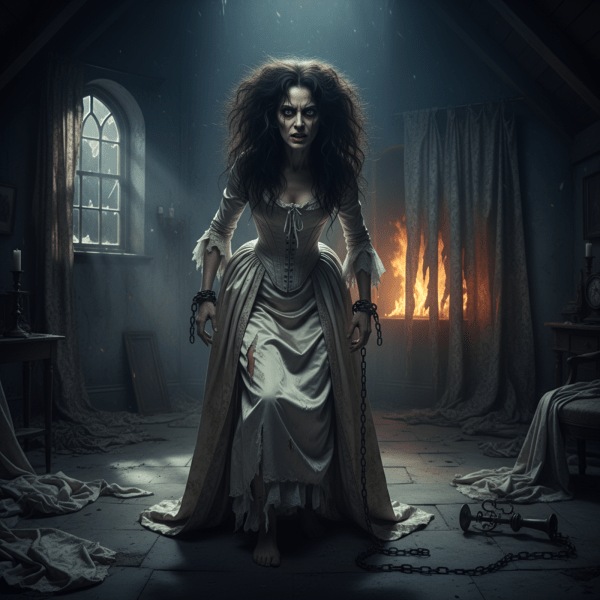
Charlotte Brontë complicates the picture. The character of Bertha Mason in Jane Eyre has long sparked debate. To some readers, she embodies a suppressed rage that is fiery, destructive, and uncontainable. Yet Brontë’s portrayal is also unsettling. Rochester’s imprisonment of his wife raises questions about Jane’s eventual reconciliation with him. Does her marriage represent dignity found, or a troubling acceptance of a man complicit in another woman’s ruin?
The writings of these women stand as acts of grit and defiance. They capture not only rage but also vulnerability, an acknowledgment of the contradictions inherent in womanhood under Victorian patriarchy. Their work still resonates because it does not offer simple resolutions. Instead, it insists that strength and tenderness can coexist, that subjugation and autonomy can collide, and that women’s voices, once silenced, demand to be heard.


