


© IE Online Media Services Pvt Ltd
Tags:


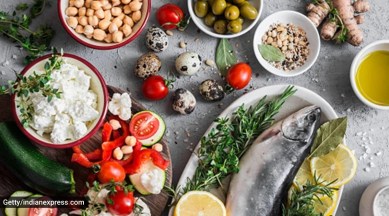
A plate full of colourful fruits and vegetables, a serving of whole grains, fresh fish, nuts and legumes and a dribbling of olive oil — eat this and you could keep your heart healthy for a longer time. This is what is called a Mediterranean diet and works just as well for women as it does for men. So far, all studies about the cardio-protective virtues of a Mediterranean diet have looked at men but a new study by the University of Sydney has found it can cut heart disease risk in women by 24 per cent. It has also reported a 23 per cent lower risk of mortality.
WHY IS THE DIET STUDY ON WOMEN SIGNIFICANT?

That’s because this is among the few researches on dietary impacts on both genders. Besides, researchers extracted big data on more than 7,20,000 female participants in 16 previously published studies, exploring the link between heart disease and diet. “There’s no ‘one-diet-fits-all,’ but there are key heart-friendly foods and nutrients that may make the Mediterranean diet particularly beneficial to help reduce the risk of future cardiovascular events,” said senior study author Sarah Zaman, PhD, an academic interventional cardiologist and associate professor at the University of Sydney in Australia, in a release. “Diet plays a huge role in preventing cardiovascular events and early deaths. Poor diet is linked with many lifestyle-related risk factors of heart disease like obesity, high blood pressure and Type 2 diabetes,” she added.
The study is also significant because heart attacks are always seen as a male problem rather than a female one and the rising numbers of women experiencing a heart episode, even during their reproductive age, are an emerging cause of concern. In the UK, according to the British Heart Foundation, coronary heart disease kills more than twice as many women as breast cancer.
THE ROLE OF DIET
How does a Mediterranean diet reduce the risk of cardiovascular disease? “The Mediterranean diet has consistently been known to reduce cardiovascular morbidity and mortality as well as surrogate markers in cohort studies, randomised control trials and meta-analyses. The Mediterranean diet is known to be the most evidence-based diet to prevent chronic diseases, including cardiovascular disease. The diet has become the standard template for healthy eating. The primary advantage of the diet is the quantum of cardio-protective nutrients and foods. These help reduce blood pressure, lipids, endothelial dysfunction, glucose, BMI and waist circumference by providing increased nitric oxide, antioxidant properties, and anti-inflammatory effects,” says Dr Prashant Pawar, Consultant Interventional Cardiologist, Fortis Hiranandani Hospital, Mumbai.
According to Mayo Clinic, a Mediterranean diet works because it is mostly plant-based and comprises healthy fats. “The foundation of the Mediterranean diet consists of vegetables, fruits, herbs, nuts, beans and whole grains. Meals are built around these plant-based foods… Healthy fats are a mainstay of the Mediterranean diet. They’re eaten instead of less healthy fats, such as saturated and trans fats, which contribute to heart disease. Olive oil provides monounsaturated fat, which has been found to lower total cholesterol and low-density lipoprotein (LDL). Nuts and seeds also contain monounsaturated fat. Fatty fish, such as mackerel, herring, sardines, albacore tuna, salmon and lake trout, are rich in Omega-3 fatty acids, a type of polyunsaturated fat that may reduce inflammation in the body. Omega-3 fatty acids also help decrease triglycerides, reduce blood clotting, and decrease the risk of stroke and heart failure,” its advisory goes.
CAN THERE BE INDIA-SPECIFIC DIETS?
“The Indian version of the diet is not difficult to recreate as we have many ingredients and superfoods that can make our platter balanced, nutritious, colourful, diverse and filled with various textures and flavours,” says Dr Pawar. He suggests plant-based carbohydrates like whole grains, vegetables, fruits, legumes and nuts. Fish and poultry, he says, can be consumed at least twice in a week. Use olive or canola oil instead of butter and replace salt with herbs and spices. Keep your body hydrated by drinking a lot of water and fresh juices. “Whole grains are packed with fibre, antioxidants and energy, which are not only anti-inflammatory but bear quite a bit of the dietary demand. Whole grains should not be a problem as we are used to brown rice, oats, wheat, quinoa, millets, jowar and ragi. Opt for multigrain breads or multigrain flours. Have five to six servings of complex carbohydrates a day,” advises Dr Pawar.
He even goes so far as to suggest a green Mediterranean diet, minus fish and seafood, as the best for “managing body weight, reducing the risk of cancer, improving gut and brain health, lowering blood pressure and reducing insulin resistance in both men and women.”
In the end, he says, the diet only goes halfway in helping you meet your heart-healthy goals unless it is matched with regular and moderate exercise.


