

Journalism of Courage
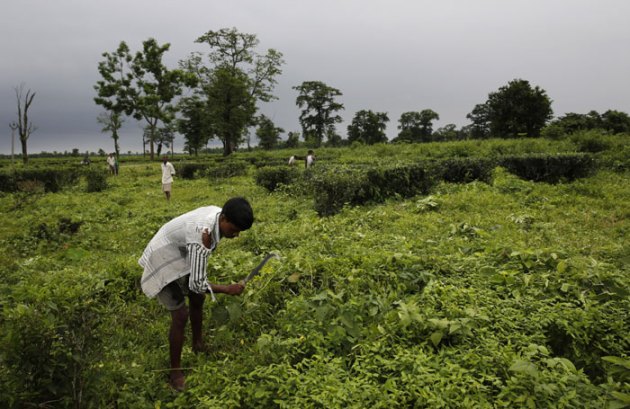
When the Bundapani tea estate closed last year, death arrived soon after. There are tea plantations in other Indian states, including Assam and Kerala, but West Bengals are widely seen as having the worst labor conditions. Most of its 200,000 tea workers are paid 95 rupees ($1.50) per day, three-quarters the state minimum wage and below the U.N.'s $2 a-day threshold for extreme poverty. (Source: AP)

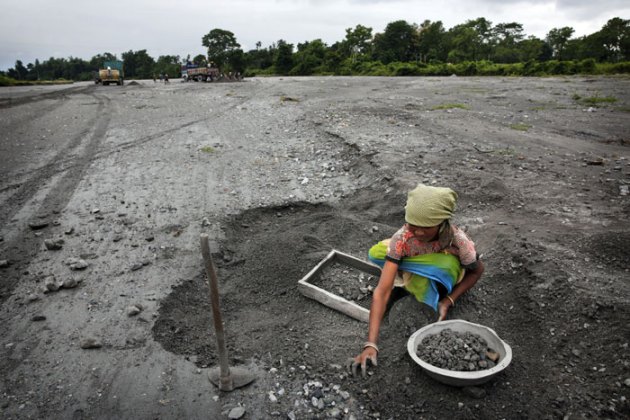
Bundapani's owner didn't raise the alarm for two months as the workers, abandoned at the feet of the Himalayas, slid silently into catastrophe. (Source: AP)

"I have become like a beggar," said Ramesh Mahali, 59, struggling to stand. He has been unable to properly feed himself or his family since the closure. (Source: AP)

His wife, Puliya, seeming 20 years older than her 50, sat emaciated on the floor, her tiny arms mummified by malnutrition. She cannot move anymore, so Ramesh cannot leave her to look for work. (Source: AP)

Seven workers died in the two months it took the government to become aware of the crisis, and the toll has continued to climb since. (Source: AP)
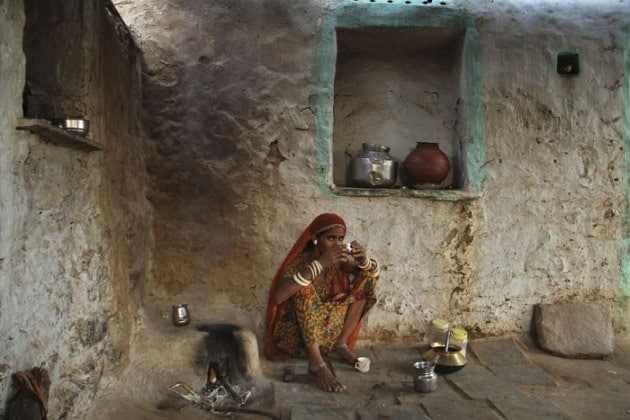
The government has launched emergency food and medical relief, but conditions remain grim. (Source: AP)

Dozens of men have left to find work, but women and those too weak to travel — like the Mahalis — remain in houses on the estate, where 7,000 people still live. (Source: AP)

The government relief — 2 kilograms of rice a week per worker— falls below standard rations at refugee camps. (Source: AP)

There are tea plantations in other Indian states, including Assam and Kerala, but West Bengal's are widely seen as having the worst labor conditions. Most of its 200,000 tea workers are paid 95 rupees ($1.50) per day, three-quarters the state minimum wage and below the U.N.'s $2 a-day threshold for extreme poverty. (Source: AP)

Even in functioning plantations, malnutrition is common. At the Khopalasi Primary School, which is attached to a working estate on the outskirts of Siliguri, teachers said half their pupils were malnourished. (Source: AP)

To survive, workers rely on additional benefits from the plantations, including food, housing and medical care, valued at about 65 rupees ($1) per day. When a plantation closes, the health care and food rations disappear immediately; workers find themselves in a disaster situation overnight. (Source: AP)

The five closures are being largely blamed on their owners' mismanagement. (Source: AP)
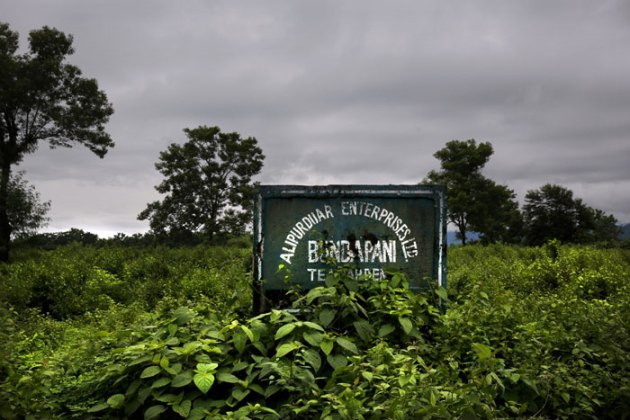
Bundapani's owner, Rakesh Srivastava, runs a hotel in the area. Attempts to contact him and the other owners of other closed tea plantations were unsuccessful. Lawyers for Srivastava refused to comment, and calls to several of Srivastava's phones went unanswered. (Source: AP)


