

Journalism of Courage
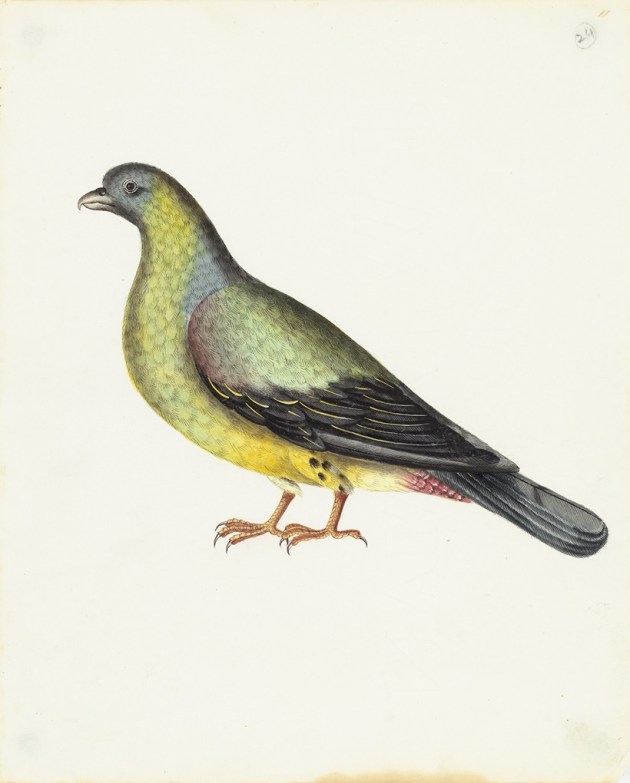
In honour of the unknown Indian masters commissioned by the East India Company in the late 18th and early 19th centuries, a new art exhibition 'Birds of India - Company Paintings c.1800-1835' by DAG features a selection of Company Paintings of Indian birds; Yellow-footed Green Pigeon (Treron phoenicopterus) (Source: PR Handout)

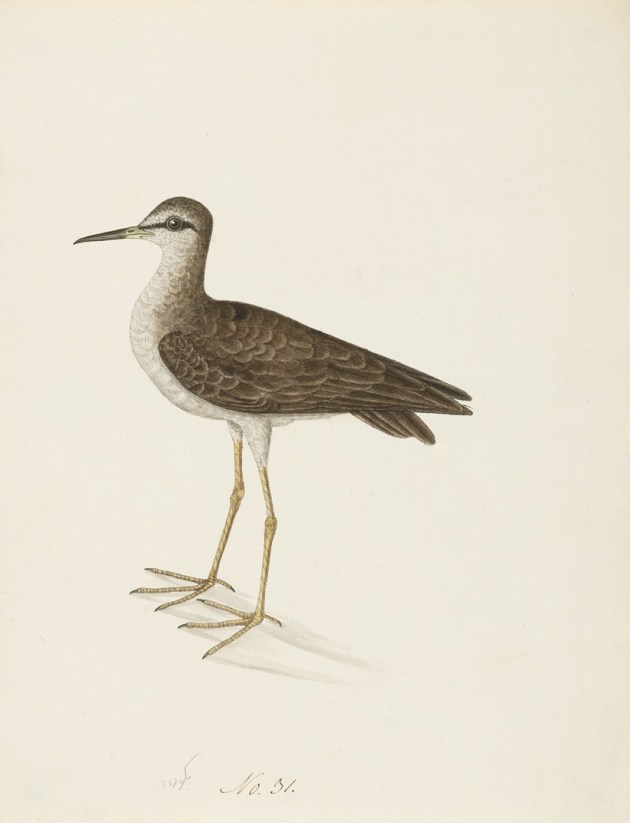
Wood Sandpiper (Tringa glareola) (Source: PR Handout)
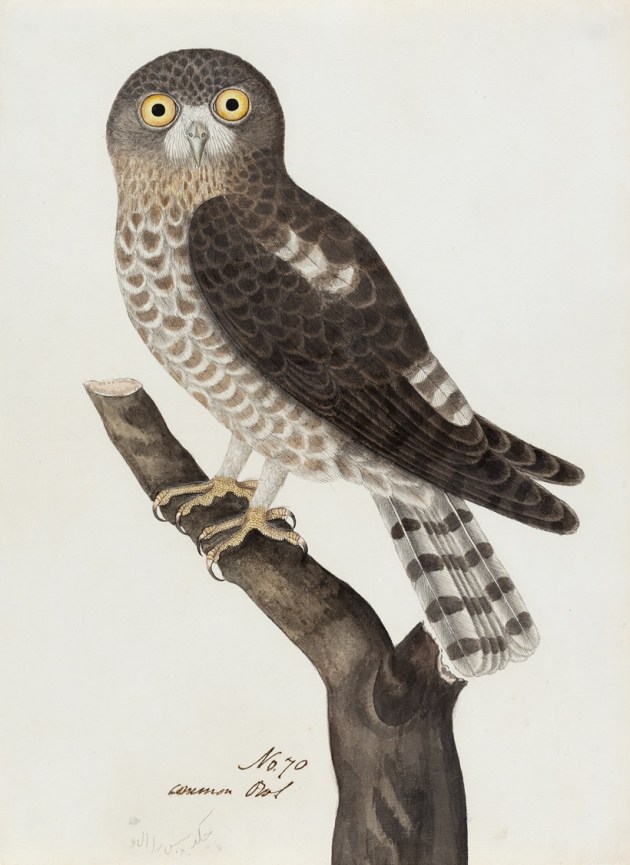
Spotted Owlet (Athene brama) (Source: PR Handout)
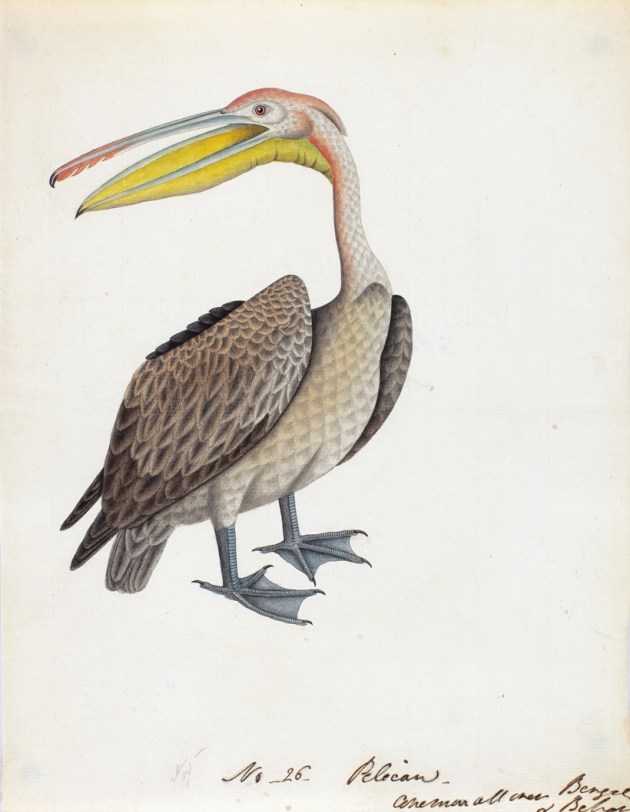
Combining the details of Mughal atelier-trained artists with the refinement and rationalisation of European art, the works signify a hybrid Indian art of rare and exceptional beauty, a style unique to the Indian subcontinent whose patronage was almost entirely British, reads the press statement; Spot-billed or Grey Pelican (Pelecanus philippensis) (Source: PR Handout)
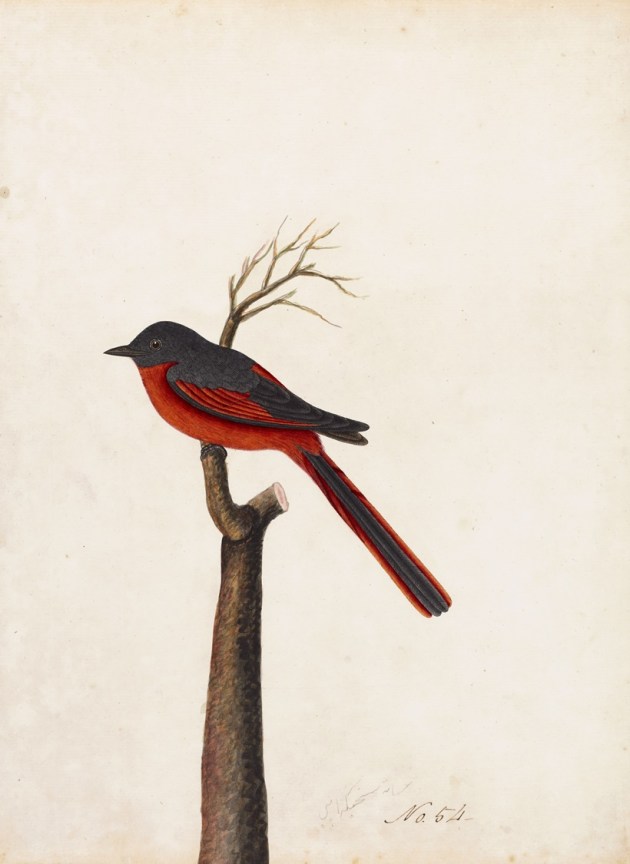
Scarlet Minivet (Pericrocotus speciosus) (Source: PR Handout)

Scaly-breasted Munia (Lonchura punctulata) (Source: PR Handout)
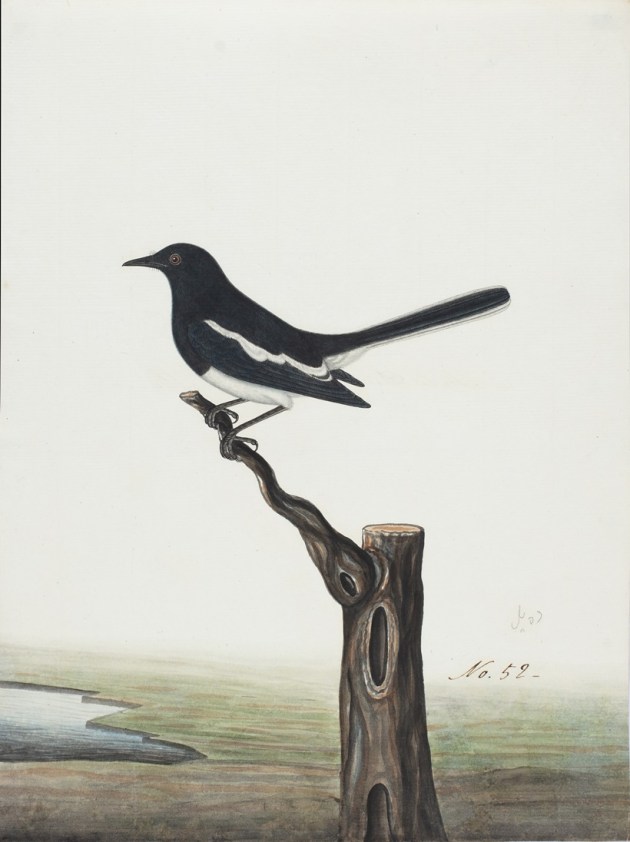
The exhibition which opened on September 4, 2021 at DAG, The Claridges, New Delhi and is view till October 6, 2021 has been curated by Dr Giles Tillotson, Senior VP Exhibitions and Publications at DAG; Oriental Magpie Robin (Copsychus saularis) (Source: PR Handout)
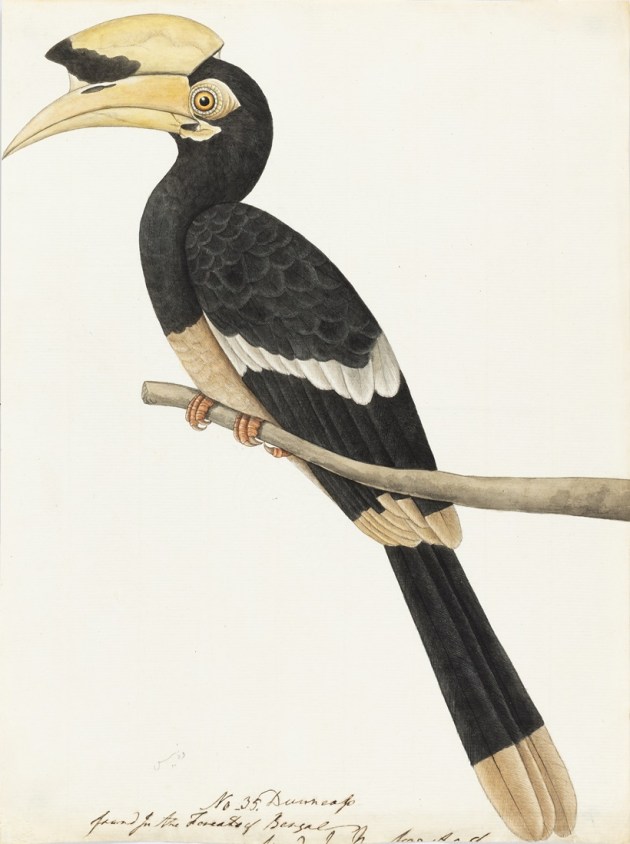
Oriental Pied Hornbill (Anthracocerus albirostris) (Source: PR Handout)
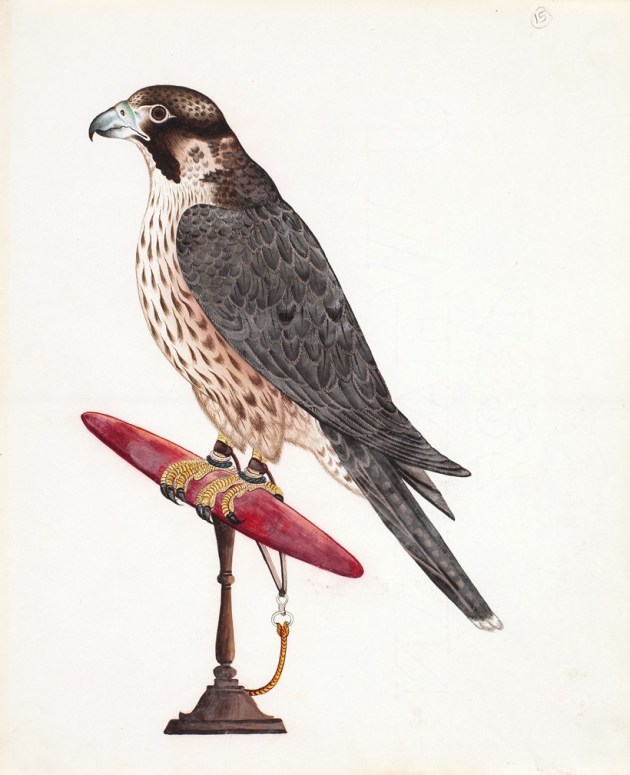
Peregrine Falcon (Falco peregrinus peregrinator) (Source: PR Handout)
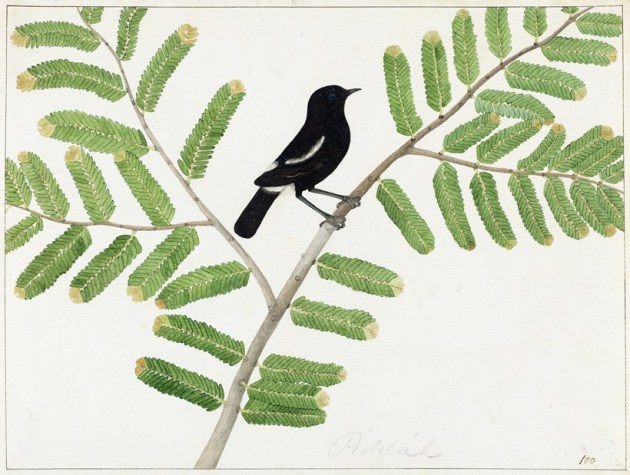
The exhibition features 125 paintings from the albums of Cunninghame Graham (1800-1804) with 99 paintings in this exhibition; The c. 1810 album of birds from north-east India with their exaggeratedly vivid colours–the finest works on natural history painted in India; The Faber album from c. 1830 in which the artist’s observations contribute to the ornithological studies expounded in this exhibition; and lastly, the four folios by Chuni Lal of Patna—the only one artist that remains identified–from the never-seen-before 1835 Edward Inge album; Pied Bushchat (Saxicola caprata) (Source: PR Handout)

Together, the four groups illustrate the development of Company Paintings through a single genre. The birds depicted in this exhibition include raptors, game birds, coastal waders and many woodland and forest birds, some very familiar and several that are now scarce; Purple Sunbird (Cinnyris asiaticus) (Source: PR Handout)
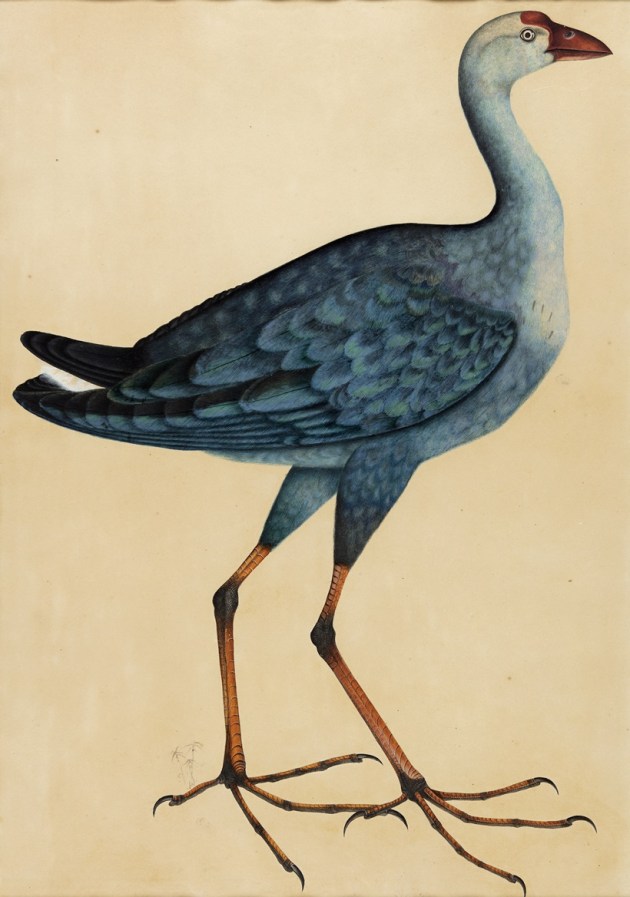
Purple Swamphen (Porphyrio porphyria) (Source: PR Handout
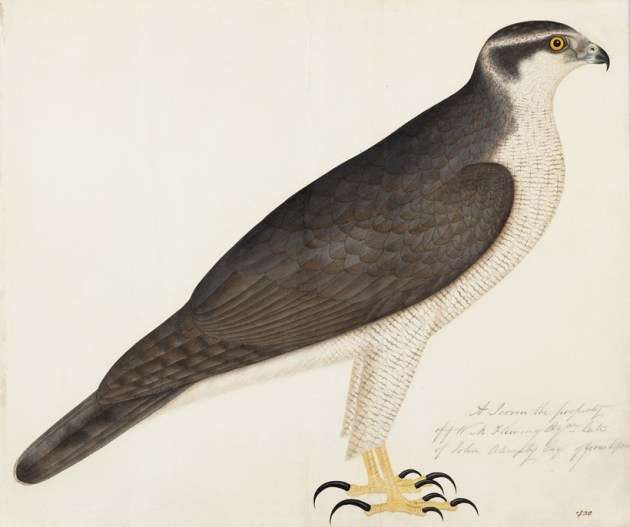
Northern Goshawk (Accipiter gentilis) (Source: PR Handout)

Lesser Goldenback (Dinopium benghalense) (Source: PR Handout)
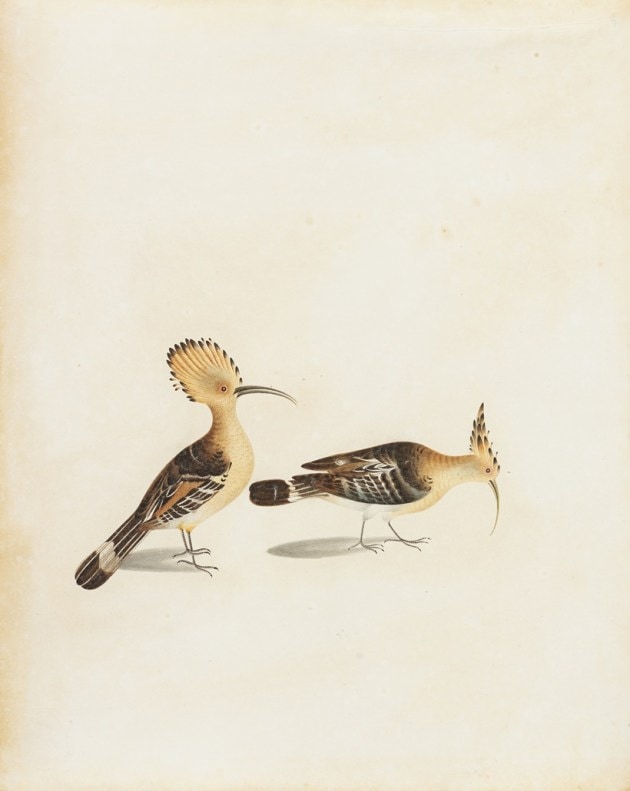
Hoopoe (Upapa epos) (Source: PR Handout)
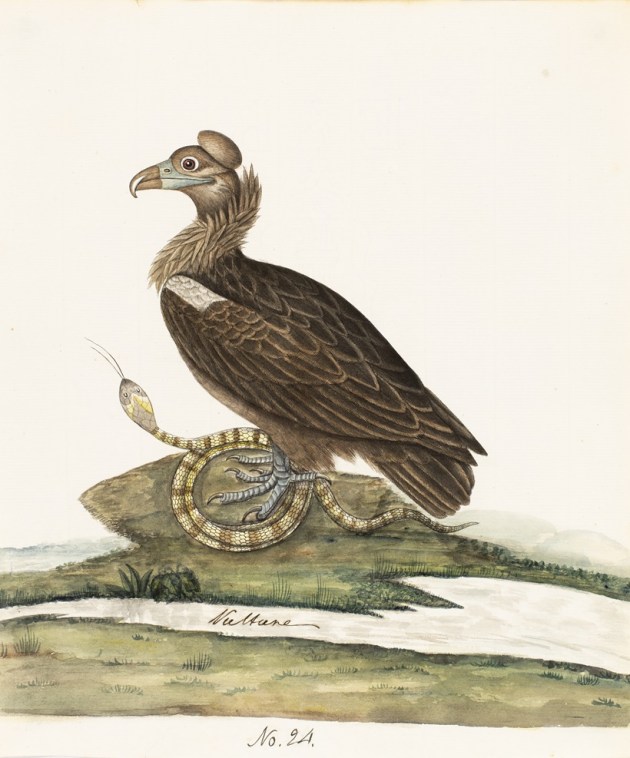
Cinereous Vulture (Aegypius monachus) (Source: PR Handout)
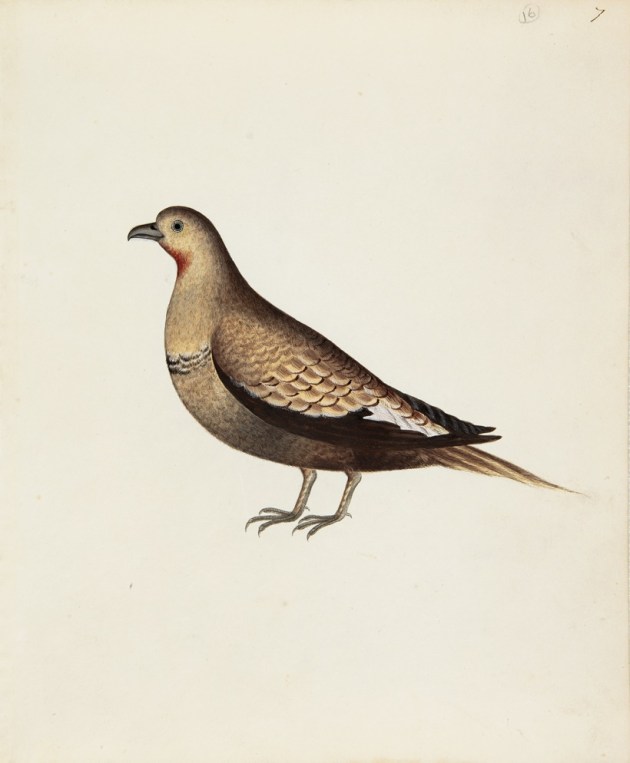
Notably, birds have always featured in Indian art. Some geese, somewhat idealised, endowed with luxuriant crests, appear in the Ajanta murals. Naturalistic portraits of recognisable species reached perfection in Mughal art under Emperor Jahangir; Chestnut-bellied Sandgrouse (Pterocles exustus) (Source: PR Handout)
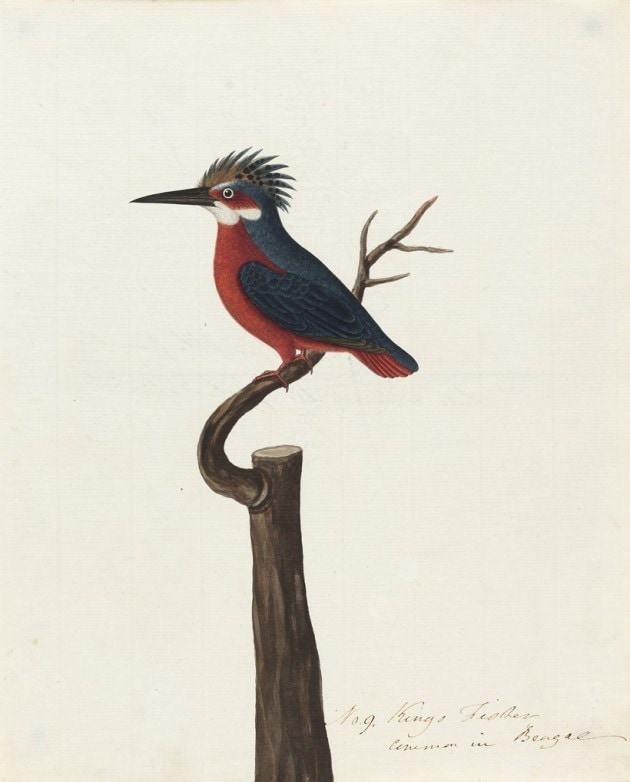
Blyth’s Kingfisher (Alcedo Hercules) (Source: PR Handout)
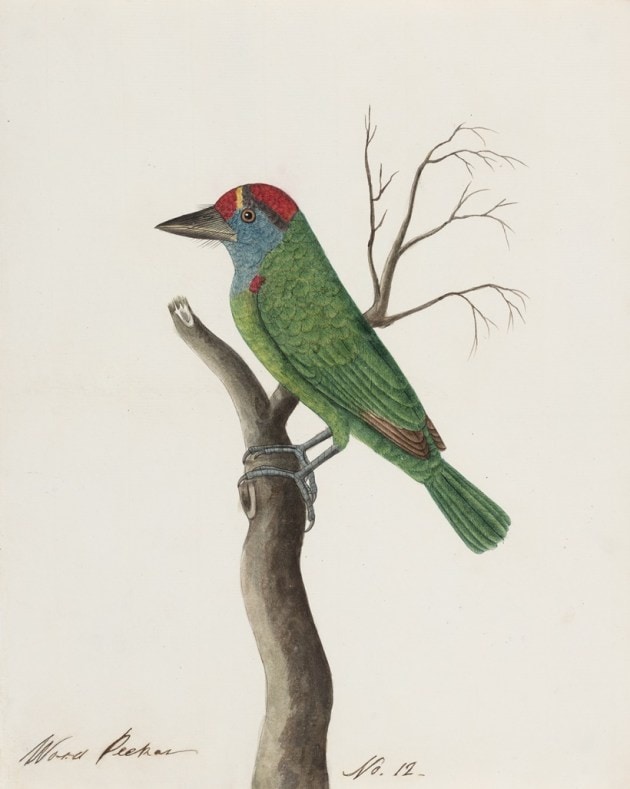
The art exhibition is also accompanied by a book that delivers a wide-ranging study of birds through Company Paintings–undertaken for the very first time in the country; Blue-throated Barbet (Megalaima asiatica) (Source: PR Handout)

Black-winged Stilt (Himantopus himantopus) (Source: PR Handout)
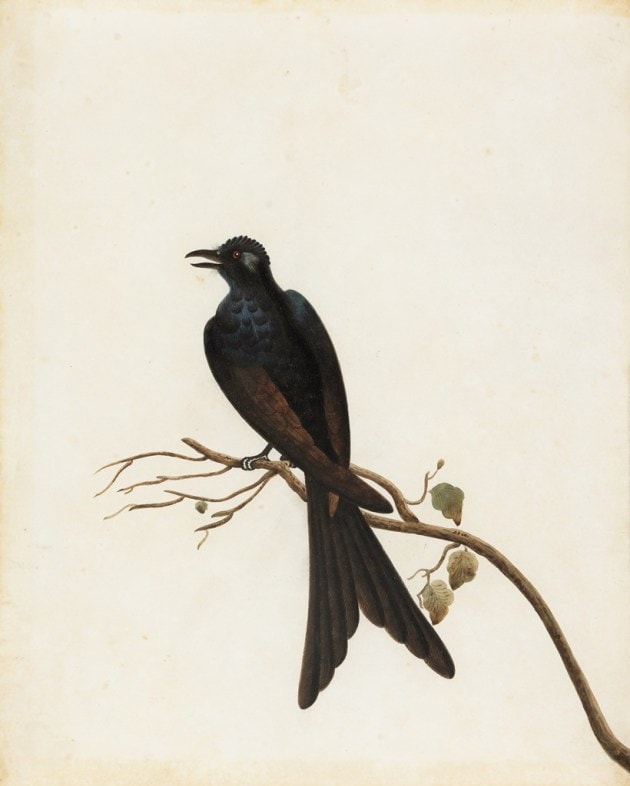
As per the exhibition release, it is owing to the "pioneering efforts" of General Claude Martin, Lady Impey and Dr William Roxburgh and their artists who inspired others, giving rise to a larger body of Company Painting dedicated to natural history. The exhibition aims to celebrate the rare amalgamation of artistic practices from India and Europe and aims to contribute to the ornithological studies making this a pioneering exhibition in the evolving study of Indian art history undertaken by DAG, it reads; Black Drongo (Dicrurus macrocercus)(Source: PR Handout)
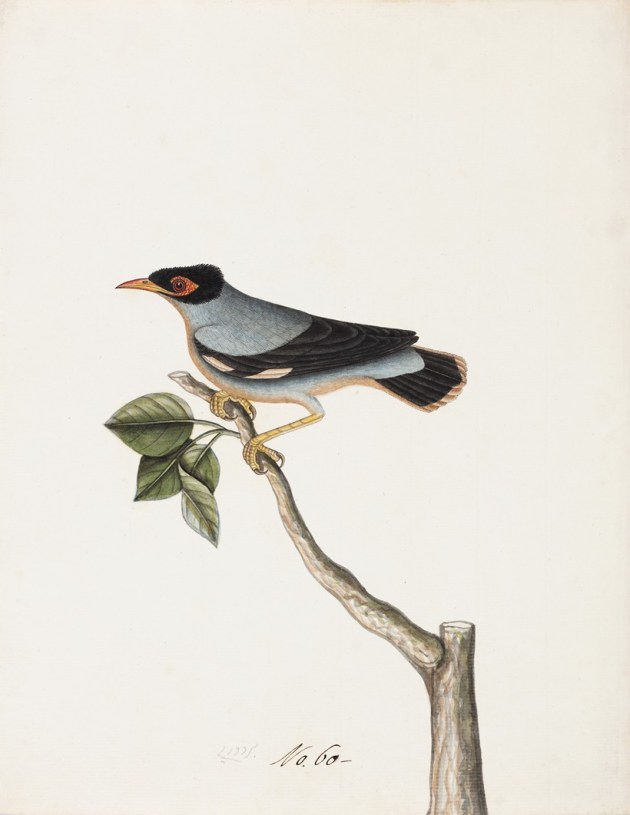
Bank Myna (Acridotheres ginginianus) (Source: PR Handout)
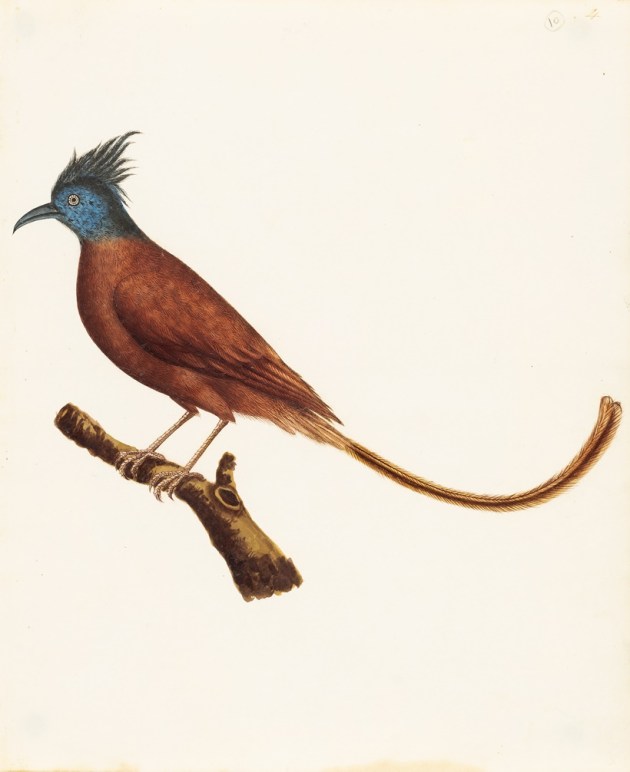
Asian Paradise-flycatcher (Terpsiphone paradisi) (Source: PR Handout)
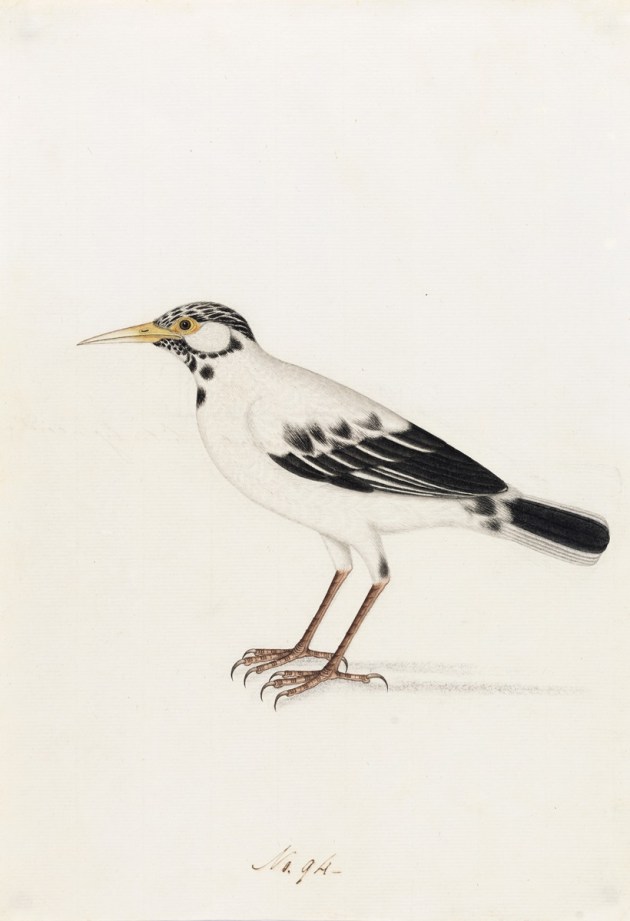
Albino Myna (Source: PR Handout)


