


📣 For more lifestyle news, click here to join our WhatsApp Channel and also follow us on Instagram
© IE Online Media Services Pvt Ltd
Tags:


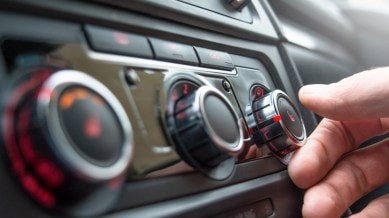
Every few months, social media throws up a warning that feels dramatic but oddly convincing. This time, it came from Dr Christabel Akinola, who cautioned drivers against keeping the air-recirculation button on for long periods—claiming that it could make you dangerously sleepy on the road, even within a couple of hours. Intrigued, we reached out to Dr Anika Parrikar, Associate Consultant – Interventional Pulmonology and Lung Transplant, Aster Whitefield Hospital, to separate fact from fear.
The pulmonologist confirms that the risks are real — though slightly different from what most people assume. According to Dr Parrikar, the biggest issue isn’t oxygen suddenly running out — it’s stale air building up inside the cabin. With windows closed and the same air circulating repeatedly, carbon dioxide (CO₂) slowly increases with every exhaled breath. “Poor ventilation can make a person feel mentally dull, sleepy, and even dizzy,” she explains. Even a mild rise in CO₂ — just two to three times above outdoor levels — is enough to lower brain activity and reduce alertness.

The oxygen in the car doesn’t drop dramatically, but the effectiveness of oxygen reaching the brain decreases. This leads to heaviness, slowed thinking, and drowsiness. Warm, stagnant air intensifies the fog, making it especially dangerous for drivers who rely on quick reaction time.

Yes — recirculation mode traps the same air in the cabin. Fresh air stops entering, so CO₂ slowly creeps upward, especially when more than one person is inside. “CO₂ levels can rise sharply within one to two hours,” Dr Parrikar notes, citing studies.
When CO₂ rises, the brain interprets it as an oxygen shortage. The outcome: dizziness, sleepiness, headaches, confusion, and slowed alertness.
These symptoms may not kill you directly — modern cars are not airtight enough for CO₂ to reach fatal levels — but the danger is indirect yet severe. Impaired alertness drastically increases accident risk. “The real threat is driver fatigue and mental fogginess,” she explains.
In truly deadly scenarios, carbon monoxide plays the villain — especially if a car is parked in a closed garage or there’s an exhaust leak. Recirculation traps these fumes, turning the cabin toxic.

Recirculation is meant for short bursts — mostly to cool the car quickly. For long drives, Dr Parrikar recommends switching to fresh-air mode every 30 minutes. With multiple passengers, switch even more frequently. In traffic or polluted cities, alternating modes become essential to prevent stale-air buildup.
If you notice:
…your car likely needs fresh air instantly.
Ignoring these signs can push the body into extreme tiredness and slower judgment — a dangerous combination when driving.
Dr Parrikar recommends a simple routine: alternate recirculation and fresh-air modes, crack windows open for a few minutes every hour, and maintain cabin filters regularly. “If you begin feeling sleepy, lightheaded, or foggy, ventilate the car immediately,” she says. Avoid idling in closed spaces and always stay aware of how your body feels during long drives. What looks like a harmless button can quietly affect your alertness, especially on highways. This holiday season, understanding how car ventilation works could genuinely save a life.
DISCLAIMER: This article is based on information from the public domain and/or the experts we spoke to.


