Journalism of Courage
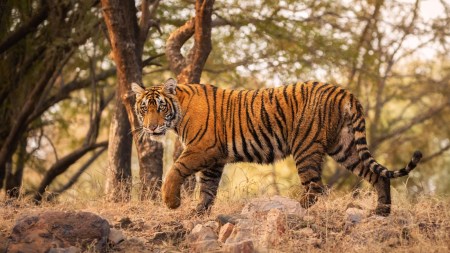
The “royal” in Royal Bengal tiger is rooted in colonial history, while the tiger's striking appearance and adaptability across India's diverse landscapes added to its mystique.

From detecting explosives to tracking and patrolling, military dogs undergo specialised training and gradual acclimatisation to operate in Ladakh’s thin air and extreme cold.
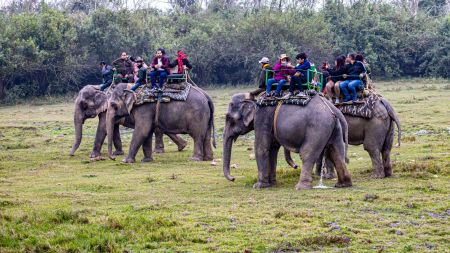
As India’s national parks reopen after the monsoon, experts share what first-time safari-goers should know before heading into the forest.
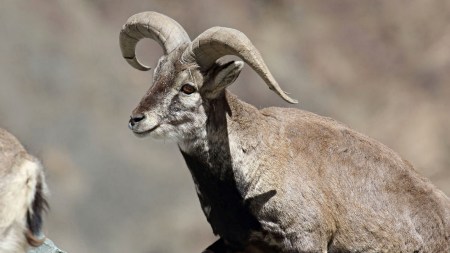
From snow leopards and Himalayan ibex to the colourful monal and elusive musk deer, here are rare and distinctive animals you can spot in Himachal Pradesh.
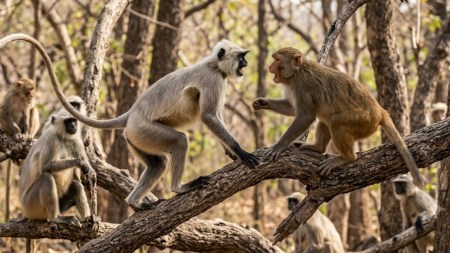
From their face and tail to their diet and behaviour, here’s how monkeys and langurs differ — and what to do if you encounter one.
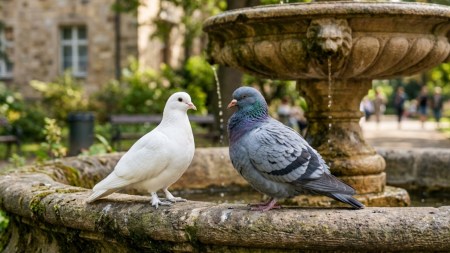
White and grey pigeons may look different, but they belong to the same species. A veterinarian explains what their colour can—and cannot—tell us about them.
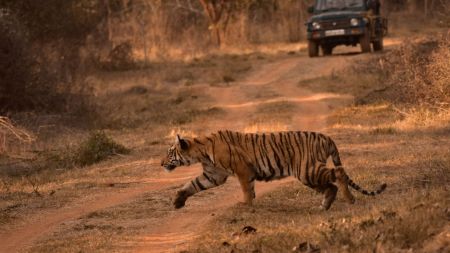
A tiger sighting may seem like pure luck, but naturalists know how to read the jungle for clues. From alarm calls and pugmarks to water bodies, here’s how tiger tracking works.
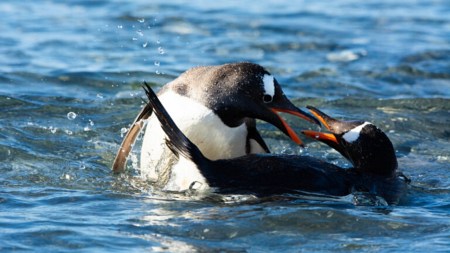
A penguin from the remote Kerguelen Islands has been identified as a new species, more than 100 years after scientists first collected it.
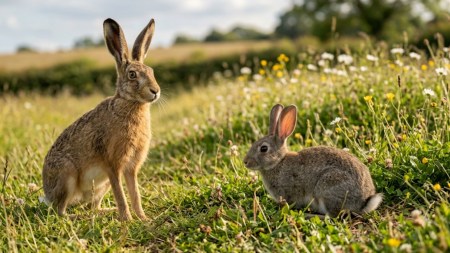
Rabbits and hares may look alike, but their body structure, habitats, behaviour and young reveal some striking differences.
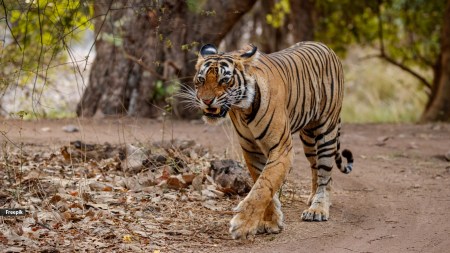
Planning a tiger safari? From Ranthambore and Bandhavgarh to Tadoba and Bandipur, here are six of the best destinations in India to look for the big cat.
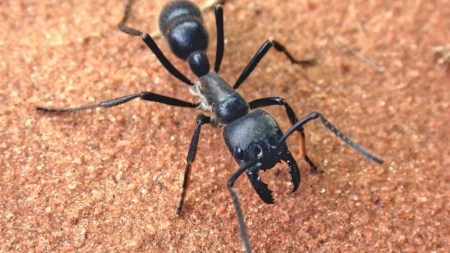
Most ants are tiny, but Dinoponera gigantea can grow to more than 3 cm. Here’s what makes this giant Amazonian ant unusual.
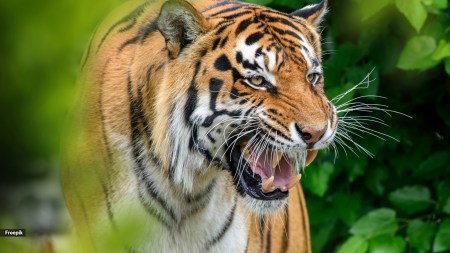
Tigers can take down surprisingly large prey, but some animals are simply too risky to attack casually. Here are five formidable opponents that can make a tiger reconsider an attack.
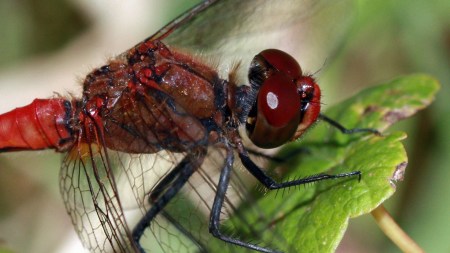
One of the most impressive things about dragonflies is that they can see in almost every direction at once
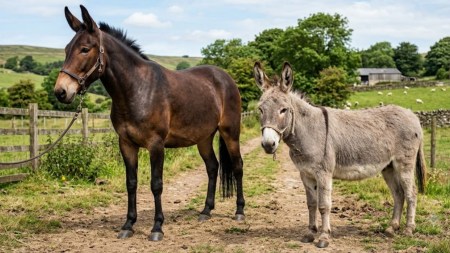
They may look similar, but mules and donkeys differ in their genetics, fertility, physical abilities, temperament and traditional roles.
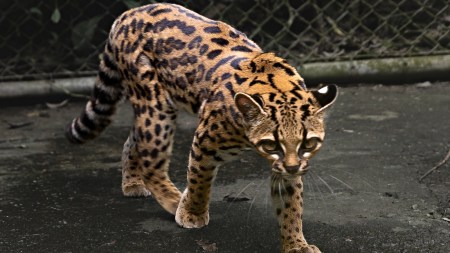
Meet Leopardus tilcayo, the first genuinely new living feline species described in over 100 years, and learn how DNA revealed its ancient lineage.
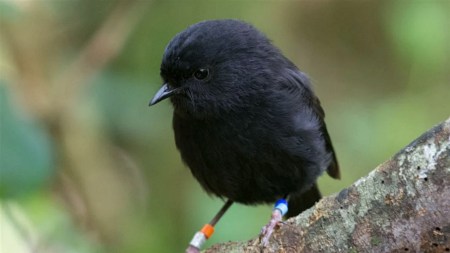
Known as the karure, or Chatham Island black robin, the bird won more than 25,000 votes in this year’s competition, finishing ahead of the kākāpō and the kārearea, or New Zealand falcon.
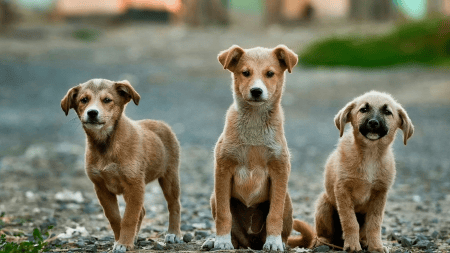
Training a rescued dog begins with trust. Experts explain how patience, routine, positive reinforcement and responsible care can help rescued dogs feel safe and become confident companions.
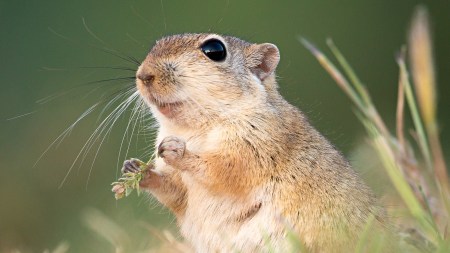
From pangolins and porcupines to desert skinks, these six unusual Indian animals spend much of their lives hidden beneath the soil or sand.
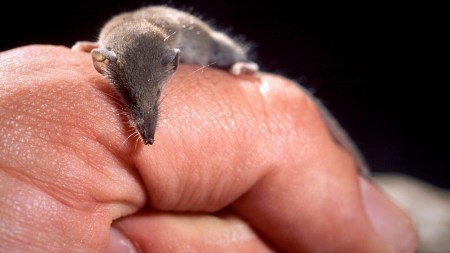
From the tiny Etruscan shrew to small mountain-dwelling shrews, meet some of India’s smallest mammals.
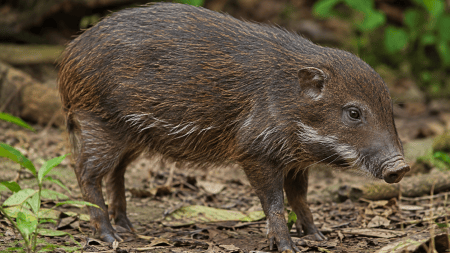
Once close to extinction, the pygmy hog is making a comeback in Assam, with 194 animals bred and reintroduced and more releases planned in Manas. Here's closer look at its conservation success story.
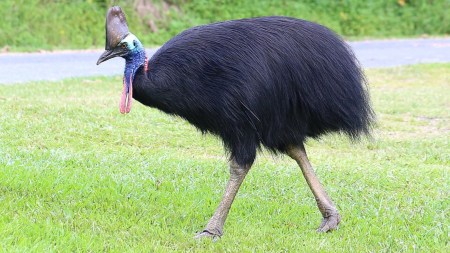
From the towering ostrich to the 45-kg emperor penguin, these are among the heaviest living birds on Earth.
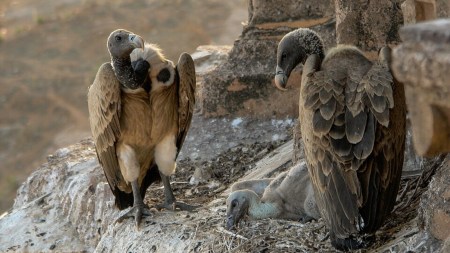
After a catastrophic 99 per cent population decline, vultures are making an impressive comeback in Madhya Pradesh, with Panna emerging as a key habitat for seven species.
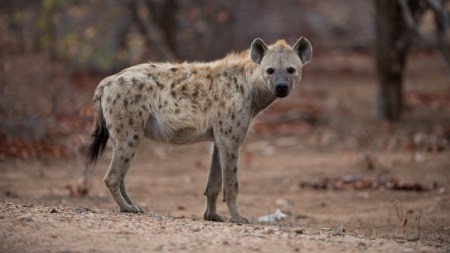
Often misunderstood and persecuted, striped hyenas are important scavengers that help remove animal remains and keep nutrients moving through ecosystems.
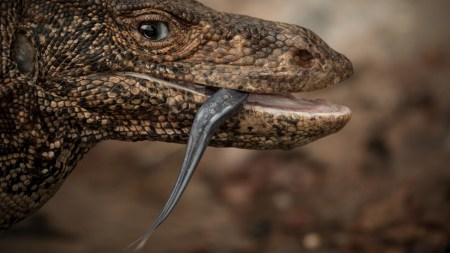
From cobras and kraits to monitor lizards, these Indian animals use their forked tongues to collect chemical clues from their surroundings.

“In a way, we are very similar to other great apes because we’ve been laughing in a similar way for 15 million years.”