Journalism of Courage
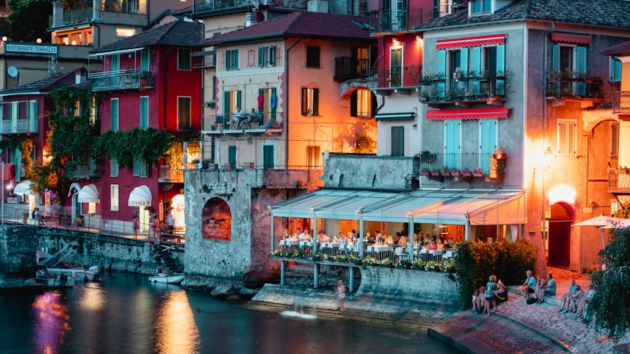
World Tourism Day, observed every year on September 27, is an opportunity to look beyond famous tourist attractions and discover traditions that connect travellers with local communities. From Ethiopia’s spectacular Timkat to Armenia’s ancient water festival, these lesser-known celebrations offer a glimpse into living heritage, traditional rituals and centuries old customs. (unsplash)
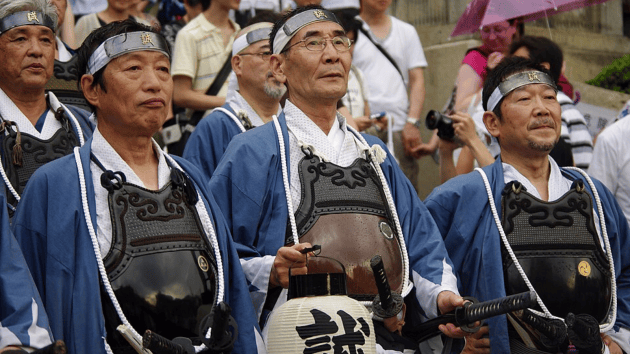
Gion Matsuri, Japan: Kyoto’s Gion Matsuri may not be as internationally famous as some Japanese festivals, but it is a remarkable example of living urban heritage. Held every July, its highlight is the procession of enormous yamaboko floats, many decorated with intricate textiles, woodwork and metal ornaments. The floats are built, decorated and dismantled by local residents, with skills passed down through generations. UNESCO recognises the Yamahoko float ceremony as Intangible Cultural Heritage. (wikimedia commons)
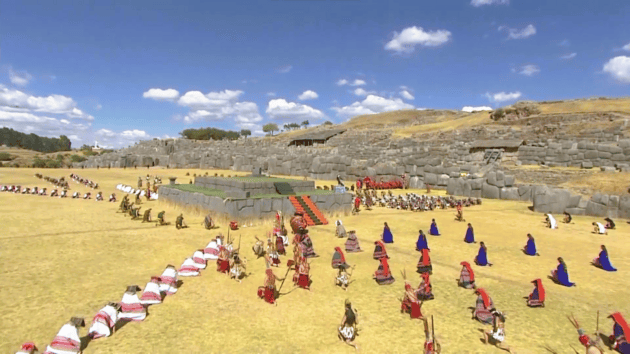
Inti Raymi, Peru: Known as the Festival of the Sun, Inti Raymi is one of Peru’s most important celebrations of Inca heritage. Held every June 24 in Cusco, the modern festival recreates ceremonies associated with the Inca Empire and features hundreds of actors, dancers and musicians in traditional dress. The celebrations take place at sites including Qorikancha, Cusco’s main square and the archaeological complex of Sacsayhuamán. Inti Raymi has been recognised as a National Cultural Heritage of Peru since 2001. (wikimedia commons)
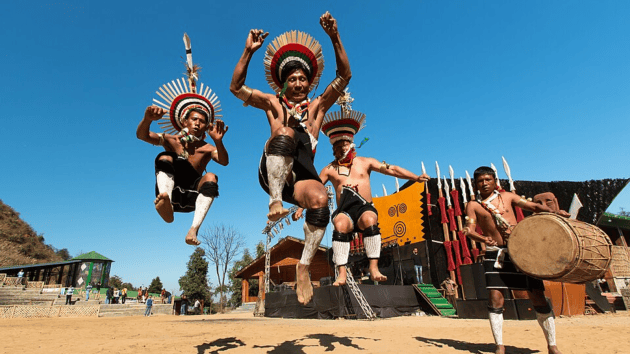
Hornbill Festival, India: Held at Kisama Heritage Village near Kohima, the Hornbill Festival offers an introduction to the cultural diversity of Nagaland. Conceptualised in 2000, the ten-day celebration brings together different Naga tribes through traditional performances, indigenous games, handlooms, handicrafts, local cuisine and music. The heritage complex itself features traditionally designed morungs, or youth dormitories, representing different Naga tribes. The 2026 festival is scheduled for December 1to 10. (wikimedia commons)
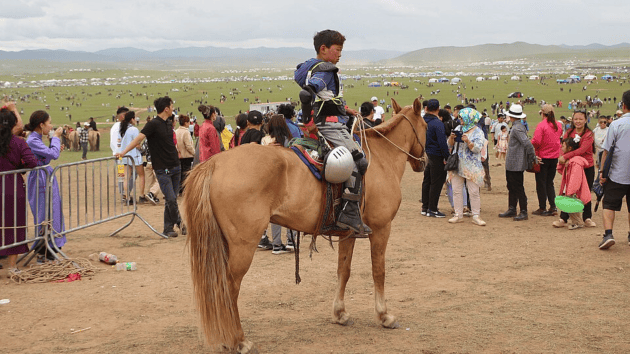
Naadam, Mongolia: Held every July across Mongolia, Naadam brings together three traditional sports: horse racing, wrestling and archery. The festival is deeply connected to Mongolia’s nomadic culture, with traditional clothing, music, long songs, khöömei overtone singing, morin khuur fiddle music and craftsmanship also forming part of the celebrations. UNESCO inscribed Naadam on the Representative List of Intangible Cultural Heritage in 2010. (wikimedia commons)
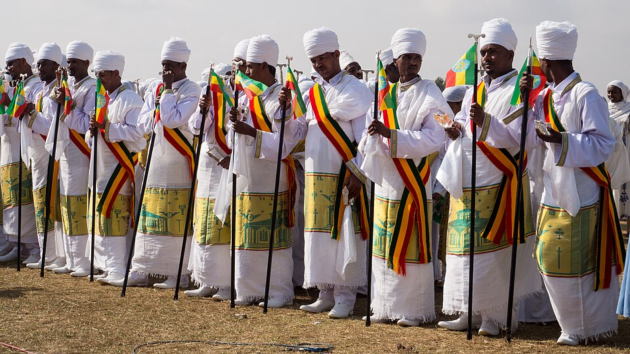
Timkat, Ethiopia: Celebrated every January, Timkat is Ethiopia’s colourful celebration of Epiphany and commemorates the baptism of Jesus Christ in the River Jordan. The festivities begin with processions carrying tabots, replicas of the Ark of the Covenant, followed by prayers, hymns, rituals and the blessing of water. Hundreds of thousands of people participate, making Timkat one of Ethiopia’s most significant living cultural traditions. UNESCO inscribed Ethiopian Epiphany on its Representative List of Intangible Cultural Heritage in 2019. (Wikimedia commons)

Vardavar, Armenia: If you happen to be in Armenia in summer, expect to get wet. Vardavar is an ancient water festival during which people splash water on one another in the streets. Its roots predate Christianity and are connected with water, fertility and purification traditions. Roses also play an important role in the celebration, while traditional festivities have included singing, dancing, fortune-telling, puppetry and wrestling. The festival is celebrated across Armenia and is a particularly unusual way to experience the country's living heritage. (wikimedia commons)