Journalism of Courage
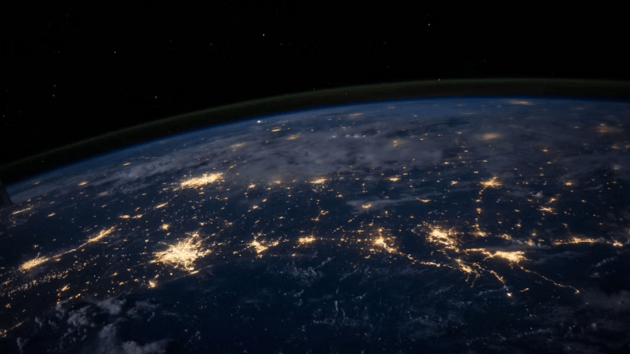
The story of space exploration goes far beyond astronauts and famous names. Women from different backgrounds have worked as mathematicians, engineers, programmers and astronomers, helping calculate trajectories, track satellites, develop rocket technology and expand our understanding of the universe. Here are some of the lesser-known women whose work helped take humanity closer to the stars.
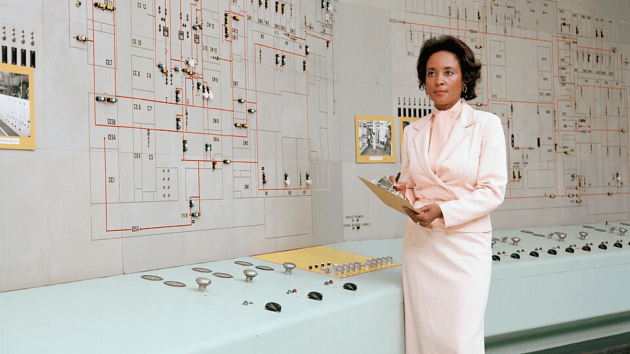
Annie Easley: Annie Easley began her career at NASA as a human computer in 1955, carrying out mathematical calculations by hand. She later became a computer scientist and worked on the Centaur rocket's software, which was powerful enough to send satellites and probes into orbit and beyond. As one of the few Black employees at NASA when she joined, Easley also became an advocate for women and people of colour in STEM. (wikimedia commons)
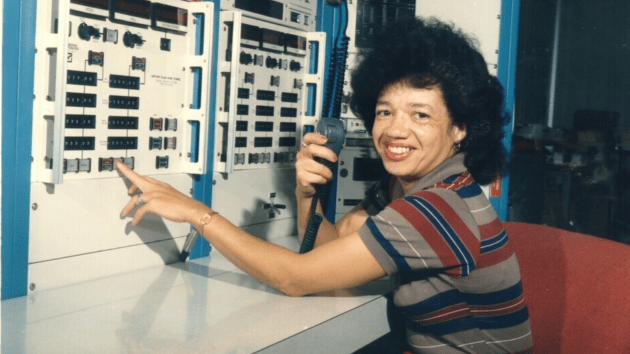
Christine Darden: Christine Darden joined NASA Langley in 1967 as a mathematician and went on to become an aerospace engineer and scientist. Her research focused on supersonic flight, and she developed computer programs to help engineers reduce sonic booms. Her career also saw her rise through NASA's ranks at a time when Black women were severely underrepresented in engineering. (wikimedia commons)
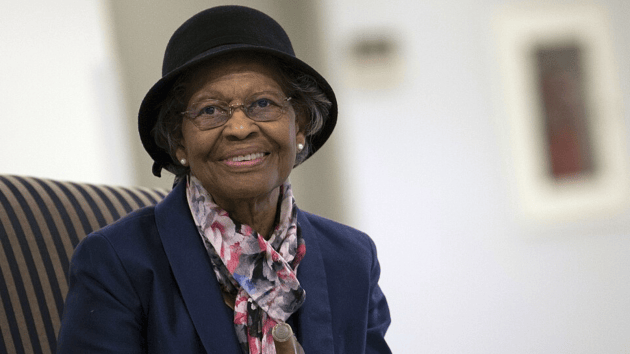
Gladys Mae West: Gladys Mae West was a Black American mathematician whose work on mathematical models of Earth's shape contributed to the development of satellite-based positioning systems. Working with data from satellites, she helped create increasingly accurate models of the planet work that ultimately became fundamental to modern GPS technology. (wikimedia commons)
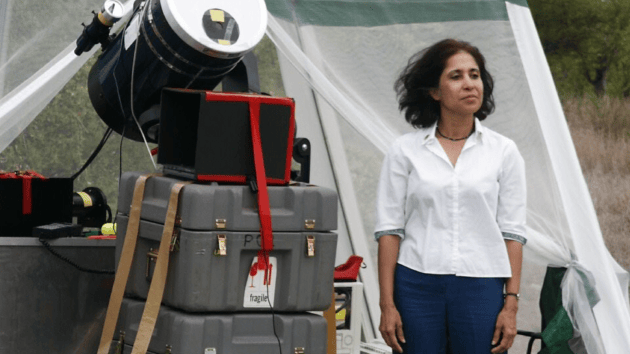
Madhulika Guhathakurta: Indian-American astrophysicist Madhulika Guhathakurta has spent much of her career studying the Sun and its influence on the solar system. At NASA, she has held senior roles in heliophysics and worked on missions designed to understand solar activity and space weather. Her career shows how space exploration also depends on scientists studying what happens far beyond Earth's atmosphere. (wikimedia commons)
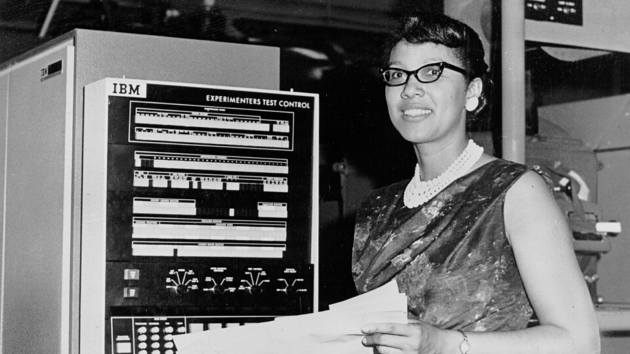
Melba Roy: Melba Roy was a mathematician who led a group of NASA computers responsible for calculating the orbital paths of satellites. Her team's work produced orbital element timetables that allowed people to predict when satellites would pass overhead. She was part of the largely overlooked workforce of women whose calculations supported America's early space programme. (wikimedia commons)
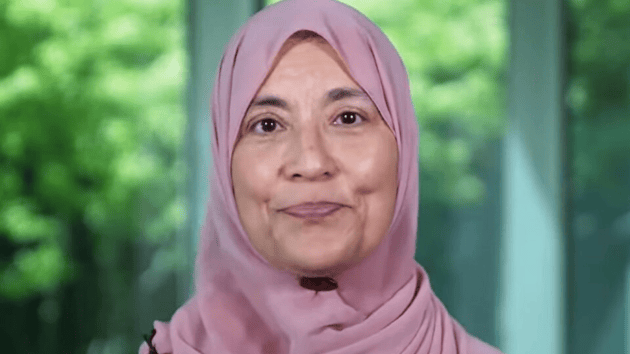
Tahani Amer: Egyptian-American engineer Tahani Amer has worked at NASA for decades, contributing to aerospace engineering and technology programmes. She has also been a strong advocate for women and underrepresented communities in STEM. NASA has highlighted her among its minority science pioneers, showing that the space programme's history extends far beyond its best-known astronauts. (wikimedia commons)