Journalism of Courage
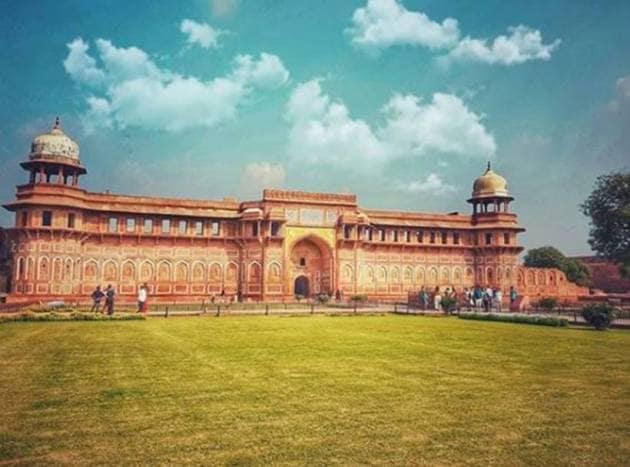
World Heritage Day: India has the sixth largest number of World Heritage Sites in the world. While you may not be able to travel now, you can at least look at the pictures of these magnificent places. In the picture is Agra Fort, which was included in the World Heritage List in 1982. It is older than the Taj Mahal, built from 16th century onward to 18th century. One of the must-visit places, here is the Diwan-i-Khas, where the famous Peacock Throne embedded with the Kohinoor diamond was kept. (Source: sh4n._/Instagram)
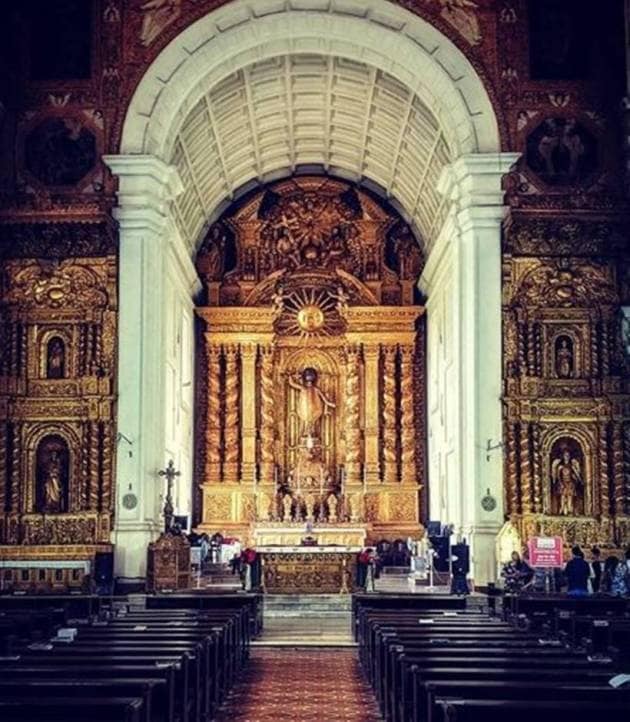
The Churches and Conventa of Goa became a part of the heritage list in 1986, built by Portuguese colonial rulers between 16th and 18h centuries. One of the most significant monuments among them is the Basilica of Bom Jesus (in the picture), which enshrines the tomb containing the relics of St Francis Xavier. (Source: vaswar_pande/Instagram)

Rani ki Vav: This ancient stepwell in Gujarat was listed as a World Heritage Site in 2014. It is enormous in size and houses nearly 500 sculptures of various gods. The Archaeological Survey of India completed its excavation in the 1980s. (Source: ameyjambhekar/Instagram)
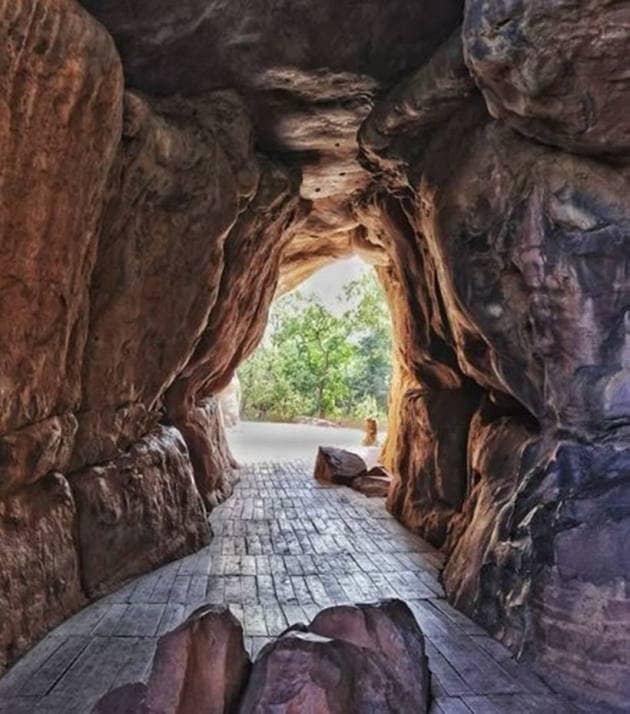
Located in the foothills of the Vindhya hills in Madhya Pradesh, the Rock Shelters of Bhimbetka made it to the list in 2003. The huge natural caves are located in sandstone cliffs. The site comprises a group of five clusters of rock shelters with beautiful ancient rock paintings. (Source: the.rajanroyal/Instagram)
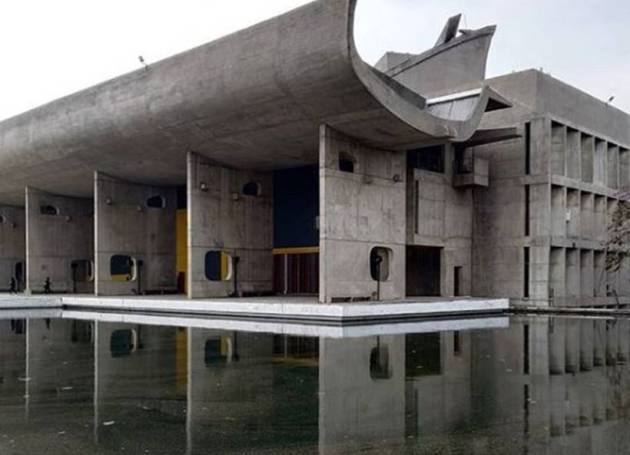
Chandigarh Capitol Complex came to be added to the list of UNESCO World Heritage Sites in 2016. It celebrates the work of Swiss-French architect Charles-Edouard Jeanneret-Gris, and comprises three building, three monuments and a lake. (Source: aguilararaico/Instagram)
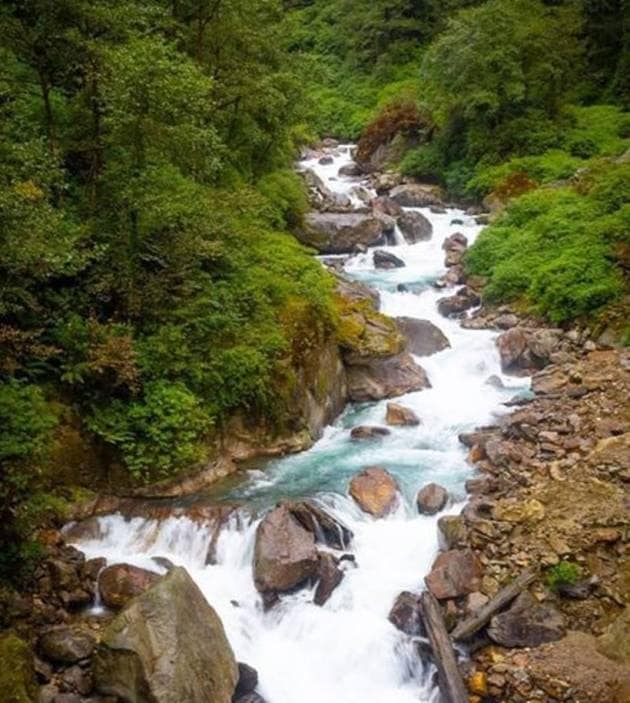
Located in the Himalayan range in Sikkim, Khangchendzonga National Park includes a diverse landscape with plains, valleys, lakes and glaciers, apart from the world's third-highest peak, Mount Khangchendzonga. It was declared a World Heritage Site in 2016. (Source: india_unesco/Instagram)
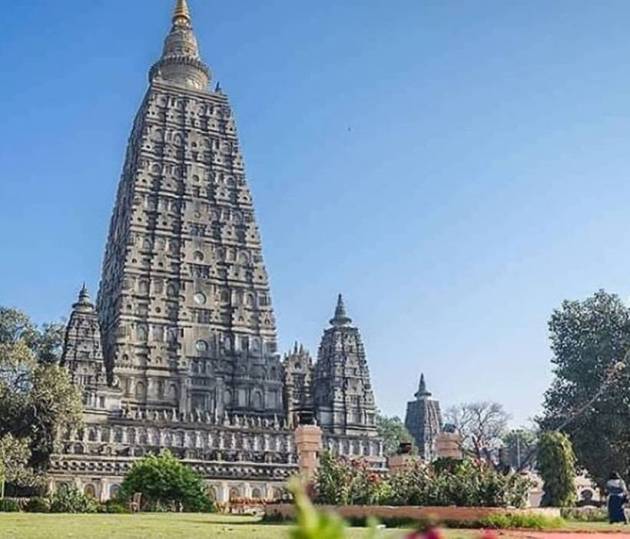
Mahabodhi Temple Complex was declared a World Heritage Site in 2002. The first temple was built by Ashoka in the third century. As the name suggests, the temple complex is revered as the place where Gautam Buddha attained enlightenment. The main temple here is about 50 m high, and is deemed the oldest in the Indian sub-continent built during the Gupta period. (Source: apnadeshdekho/Instagram)
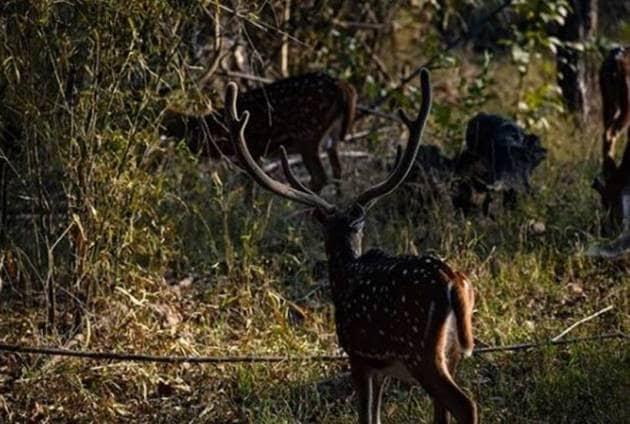
Manas Wildlife Sanctuary: Located in Assam, it became a World Heritage Site in 1995. It is home to a rich variety of flora and fauna life. Some of the animals found here are pygmy hog, clouded leopard, sloth bear, Indian rhinoceros and wild buffaloes. (Source: thirsty_temptation/Instagram)