Journalism of Courage
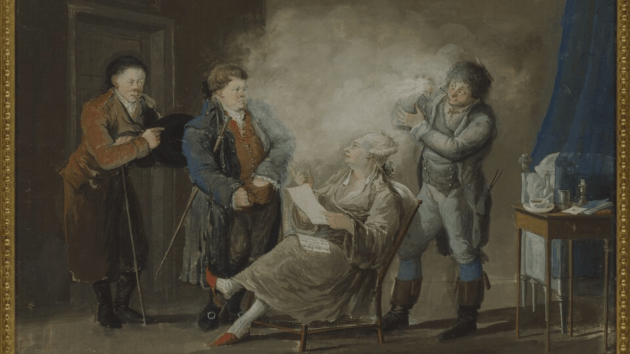
Powdered wigs are now strongly associated with 17th and 18th century European elites, but they were more than an extravagant fashion statement. From hiding hair loss to signalling wealth and authority, wigs became an important part of men’s appearance before eventually disappearing from everyday fashion. (wikimedia commons)
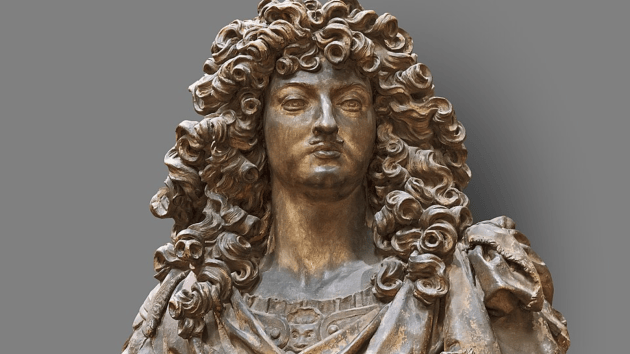
Louis XIV Made Wigs Fashionable: Wigs had existed long before the 17th century, but they became a major upper-class fashion trend during the reign of French King Louis XIV. After beginning to lose his hair at 17, Louis adopted increasingly elaborate wigs known as perukes, which soon became popular among his courtiers and other nobles. (wikimedia commons)
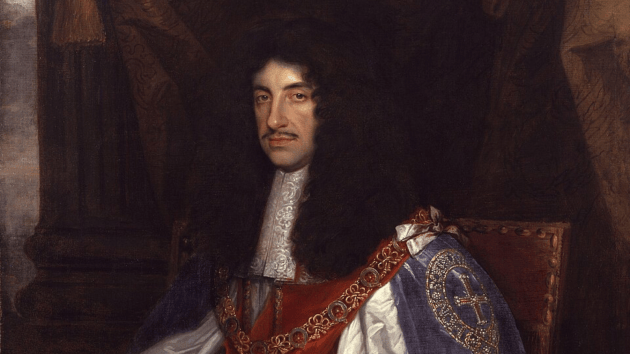
Wigs Crossed the English Channel: King Charles II of England also adopted wigs to conceal his prematurely greying hair, helping make them fashionable at the English royal court. The trend soon spread through English society, with expensive human-hair wigs becoming a visible symbol of wealth, status, and professionalism. (wikimedia commons)

Why Were Wigs Powdered: By around 1700, powdered wigs had become common. The powder, often made from corn flour or bean flour, helped absorb oils and unpleasant odors, giving the wigs a cleaner appearance. The resulting white colour was also considered distinguished and fashionable. (wikimedia commons)
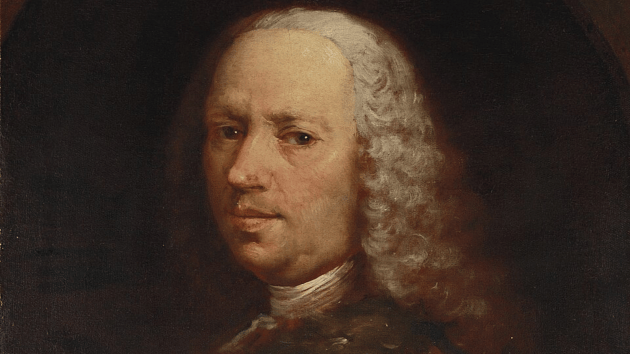
Wigs Became a Symbol of Authority: Wigs eventually moved beyond fashion and became part of professional dress, particularly in England’s legal profession. Judges and lawyers wore them to set themselves apart from the public and to project authority, anonymity, and impartiality. The custom also spread to the American colonies. (wikimedia commons)
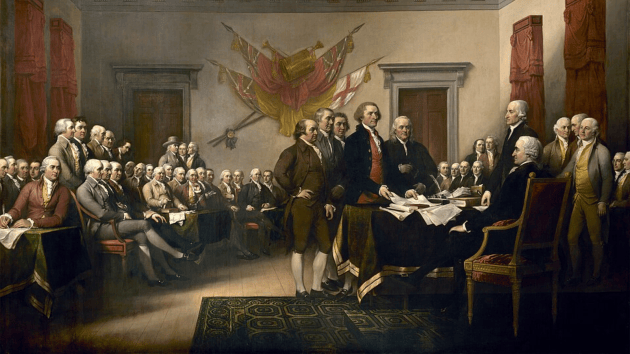
The American Revolution Changed the Trend: Wigs began losing their popularity around the time of the American Revolution. In the United States, styled natural hair treated with powder and pomade increasingly replaced wigs, allowing political and social elites to retain a formal appearance while distancing themselves from British traditions. (wikimedia commons)

From Everyday Fashion to Courtrooms: By the early 19th century, most men in Europe and America had abandoned wigs. The tradition survived in English courtrooms, however, where judges and lawyers continued wearing them. Although the rules have since been relaxed in some courts, wigs remain part of courtroom dress in certain criminal and ceremonial proceedings today. (wikimedia commons)