Journalism of Courage
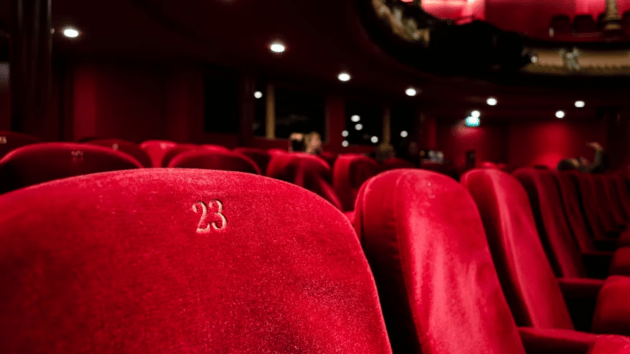
Rows of deep red seats are one of the most recognisable features of theatres and cinemas. But the colour is more than a design tradition. Its association with wealth, the popularity of velvet, practical considerations and the way red behaves in low light all helped make it a familiar part of performance spaces.

Red Was A Colour Of Wealth: The story of red theatre seats goes back to European theatres associated with royalty, wealth and ceremony. Bright red dyes were historically difficult and expensive to produce, so the colour became linked with status and appeared in royal clothing, religious spaces and important buildings.
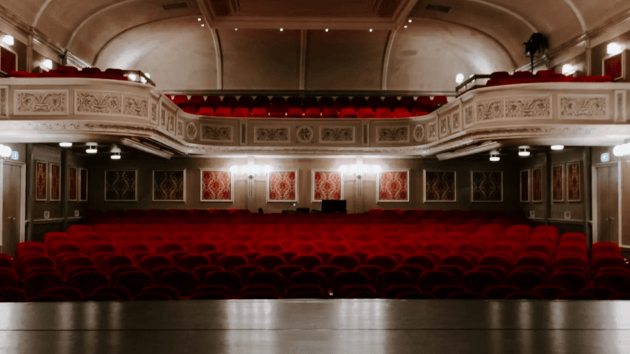
The Rise Of Luxurious Theatres: During the 18th and 19th centuries, theatres increasingly adopted an opulent visual style. Grand opera houses used ornate decoration, rich fabrics and luxurious interiors to make attending a performance feel like a special social occasion. Deep red fabrics became part of this aesthetic and the tradition continued into later theatres.
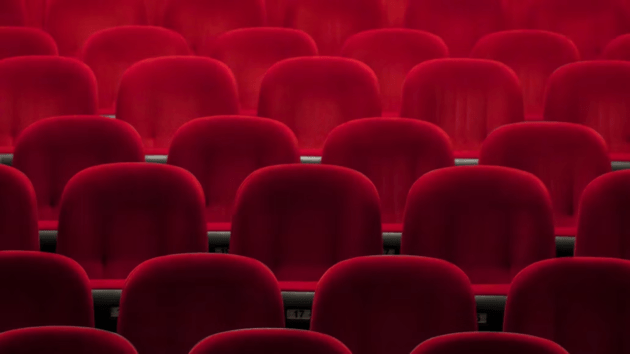
Why Velvet Became Popular: Velvet helped establish the classic theatre-seat look because it combined comfort with a luxurious appearance. Its dense pile catches and reflects light, creating a rich, deep colour. Upholstered seating also helped absorb sound, while dark red fabric was relatively forgiving of dust, stains and everyday wear.
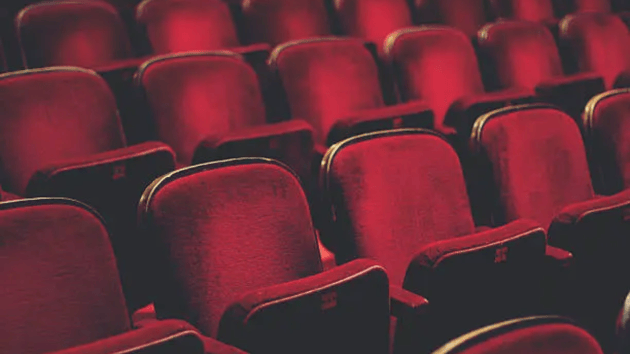
Red Is Less Distracting In The Dark: There is also a reason connected to lighting. Before modern electric lighting, theatres were illuminated by candles, gas lamps and early stage lights. As auditoriums became darker, red could become less visually noticeable because the human eye is less sensitive to red wavelengths in low-light conditions. It therefore helped keep attention on the stage rather than the room.

A Colour That Suits The Drama: Red also fits the emotional atmosphere of performance spaces. It is commonly associated with passion, excitement and energy — qualities that audiences often experience during theatre and cinema. While this was not the only reason for choosing red, its dramatic associations helped reinforce the visual identity of theatres.
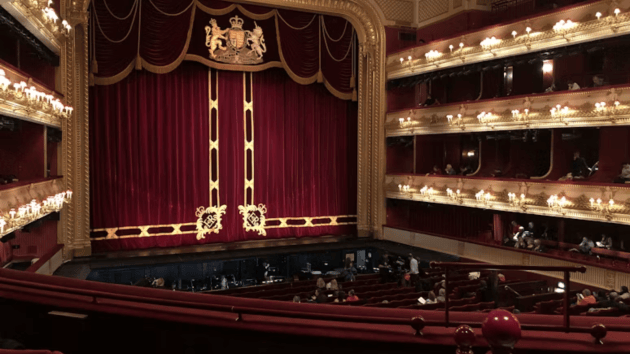
From Opera Houses To Movie Palaces: When cinema became popular in the early 20th century, movie theatres borrowed many design elements from traditional performance venues. The grand movie palaces of the 1920s and 1930s often featured plush carpets, ornate interiors and rows of deep red upholstered seats. Although modern theatres now use colours such as black, blue and grey, red remains closely connected to the history of performance spaces.