Journalism of Courage
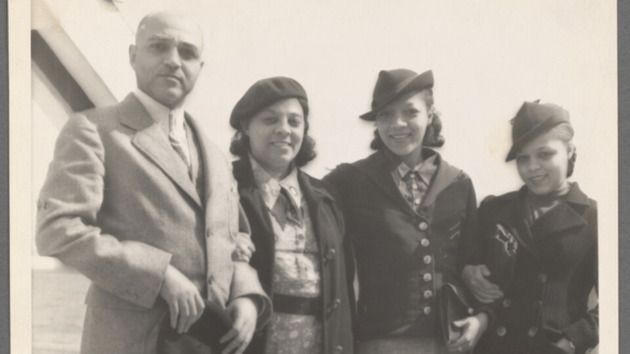
The Harlem Renaissance was a powerful cultural movement in the 1920s and 1930s centred in Harlem. It marked a flourishing of African American art, music, literature, and identity, reshaping culture in the United States and beyond. (wikimedia commons)
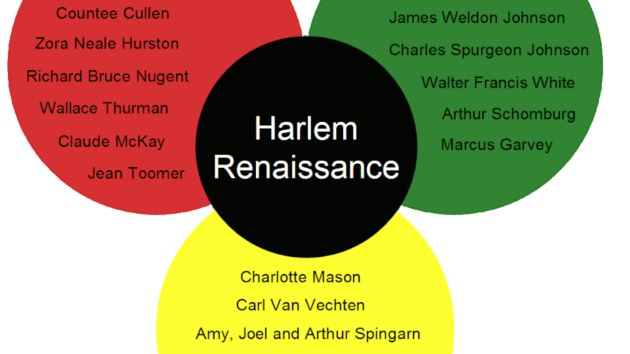
It Began After the Great Migration: The movement grew as African Americans moved from the South to northern cities during the Great Migration, bringing new ideas and creative energy. (wikimedia commons)
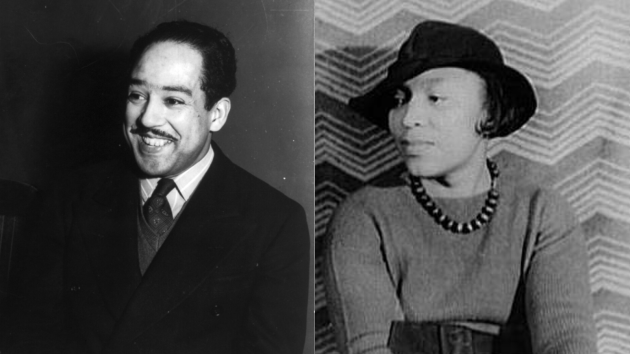
A Boom in Literature: Writers like Langston Hughes and Zora Neale Hurston explored Black life, identity, and pride through poetry and storytelling. (wikimedia commons)
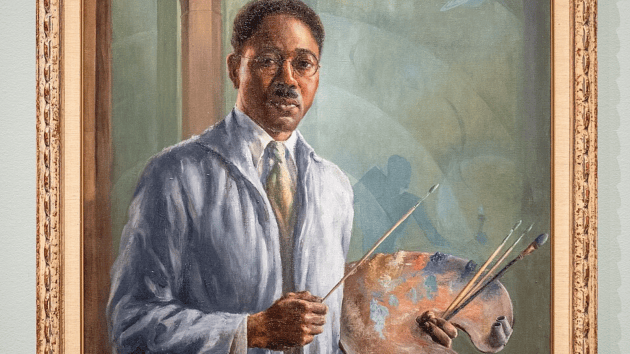
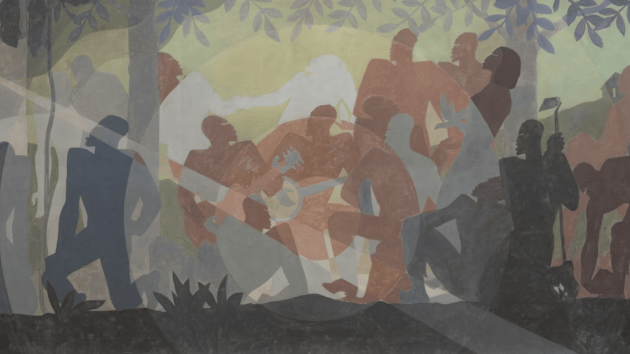
Art and Expression Flourished: Visual artists like Aaron Douglas used bold styles to depict African American history and culture. (wikimedia commons)
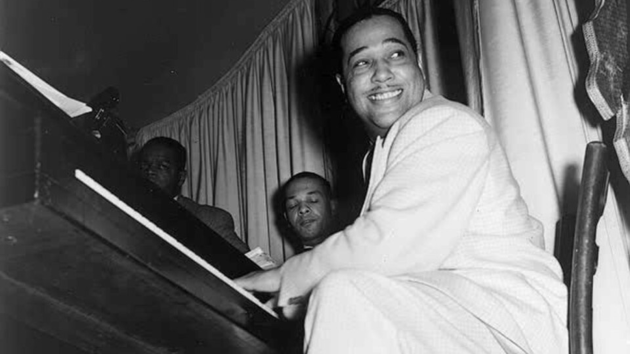
Jazz Took Centre Stage: Music, especially jazz, thrived, with legends like Duke Ellington shaping the sound of the era. (wikimedia commons)
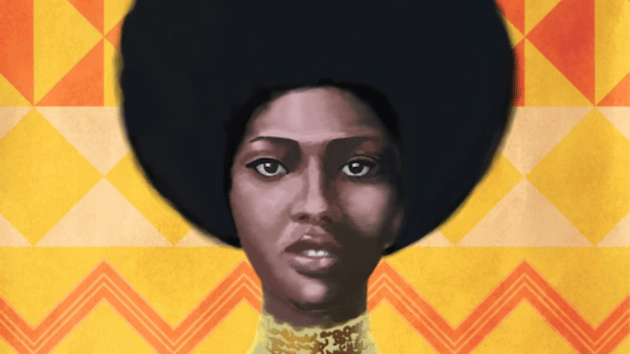
It Redefined Identity: The movement encouraged pride in Black culture and challenged racial stereotypes, influencing social thought and activism. (unsplash)
Its Legacy Lives On: The Harlem Renaissance continues to inspire modern art, music, and literature, shaping global culture even today. (unsplash)