Journalism of Courage
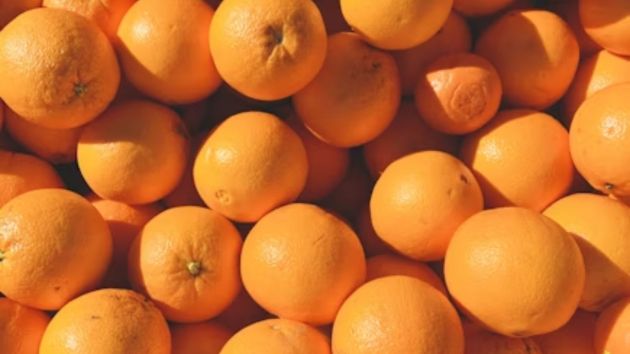
When you think of oranges, you probably picture a bright, juicy fruit, but surprisingly, oranges weren’t always orange. Their journey spans millions of years, evolving from wild, bitter fruits into the sweet, uniform varieties we know today through migration, hybridisation, and human cultivation. (unsplash)

Origins Near the Himalayas: Oranges trace their roots back to the southeast Himalayan region, where the first citrus fruits appeared around 8 million years ago. These early fruits spread across India and China, forming the foundation of all citrus varieties we know today. (unsplash)
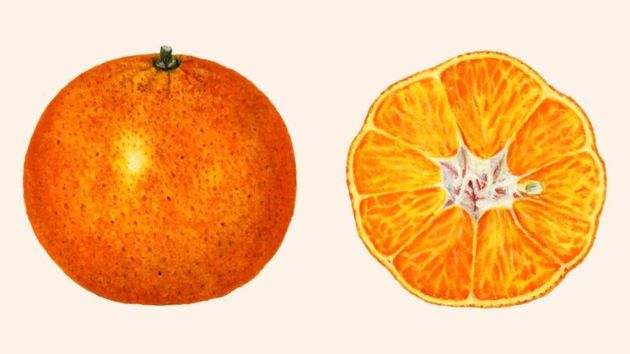
Ancient Oranges Looked Nothing Like Today: Early oranges were smaller, uneven, and often bitter, with thick or bumpy skins. They came in many shapes and resembled fruits like citrons and pomelos rather than the smooth, round oranges we eat now. (freepik)

Oranges Are a Hybrid Fruit: The modern orange is actually a hybrid, created by crossing pomelos (large, pale fruits) with mandarins (small, sweet citrus). This combination gave rise to the early “sweet orange,” though it still looked very different from today’s versions. (unsplash)
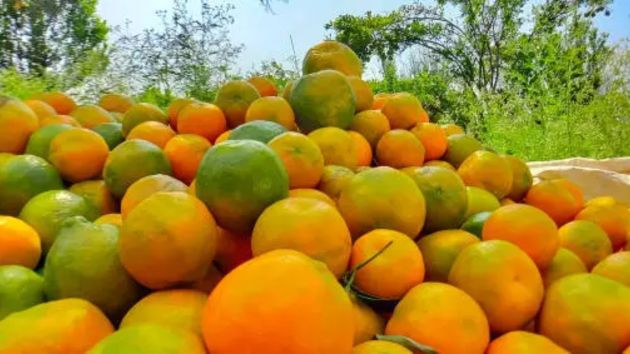
They Weren’t Always Orange in Colour: Early oranges were often bitter and used for medicine, not as a snack. Sweet oranges similar to what we eat today were first recorded in China around 314 BCE and later spread globally through trade.
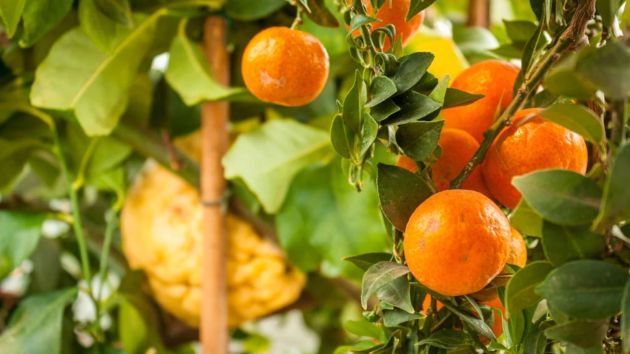
From Bitter to Sweet: Early oranges were often bitter and used for medicine, not as a snack. Sweet oranges similar to what we eat today were first recorded in China around 314 BCE and later spread globally through trade. (unsplash)
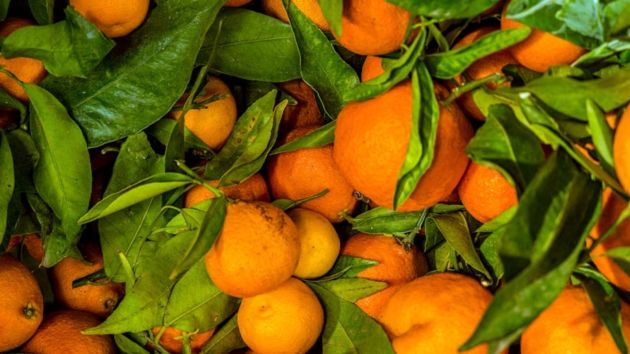
Shaped by Humans Over Time: The oranges we eat today are the result of thousands of years of selective breeding. Humans gradually made them larger, sweeter, seedless, and more uniform—transforming a once wild fruit into a global favourite. (unsplash)