Journalism of Courage
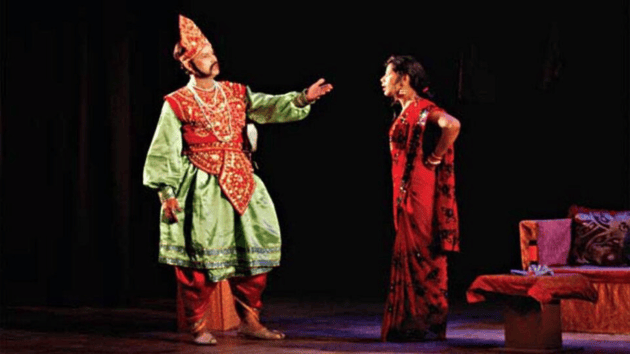
With its dramatic performances, powerful songs, colourful costumes and larger-than-life acting, Jatra is one of Bengal's most enduring folk-theatre traditions. The word is associated with yatra, meaning a journey or procession, and the form is generally traced to the 16th-century Bhakti movement in Bengal. Over the centuries, Jatra moved beyond religious stories to address romance, social issues, politics and nationalism, remaining closely connected with popular audiences. (wikimedia commons)
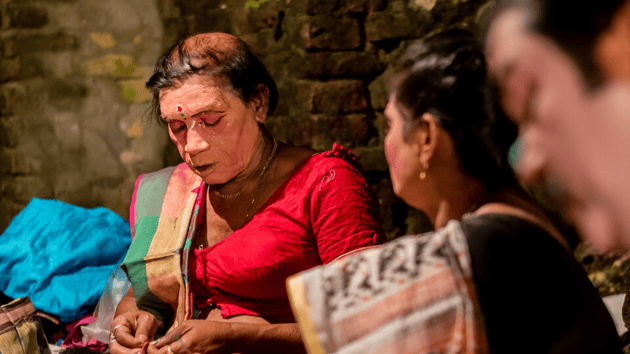
It Began With Devotion: Jatra's early development is closely associated with Vaishnavism and the Bhakti movement led by Sri Chaitanya in 16th-century Bengal. Performances centred on stories from Krishna's life, combining singing, dancing and acting. One early account describes Chaitanya himself performing the role of Rukmini in Rukmini Haran. (wikimedia commons)
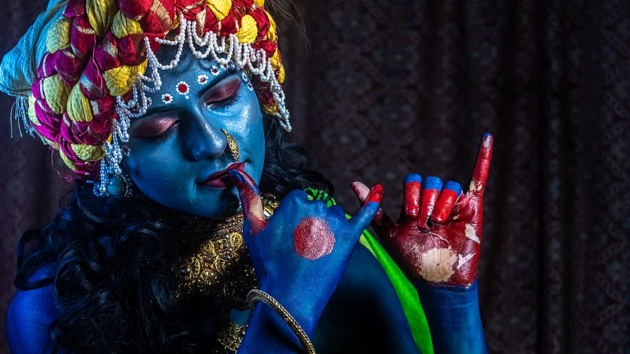
Krishna Jatra Became Popular: The early form known as Krishna Jatra spread through Bengal as Vaishnavism gained influence. These performances mixed songs and dance with improvised dialogue and comic episodes. They were generally staged in temple courtyards, village spaces and other open areas, keeping the performances accessible to ordinary audiences. (wikimedia commons)
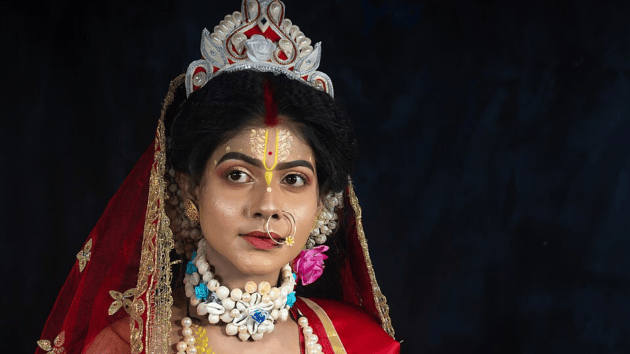
Jatra Gradually Became Secular: By the 18th century, Jatra was beginning to move beyond exclusively devotional stories. Comic characters such as Narada and Vyasa became part of performances, while stories such as Vidyasundar introduced more secular themes. The form also developed temporary raised platforms, although audiences continued to surround the performance space. (wikimedia commons)
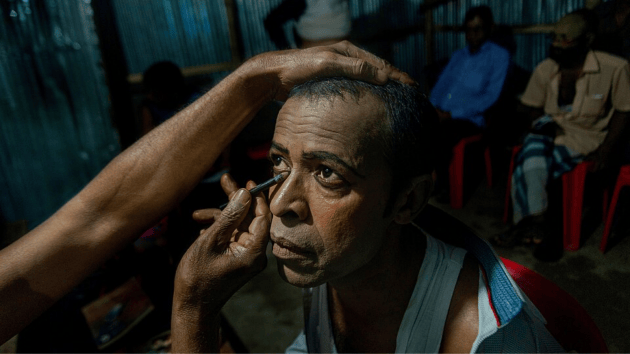
It Found a New Voice in Colonial Bengal: The 19th century brought major changes. Jatra increasingly incorporated love stories, social themes and contemporary concerns, while its relationship with emerging Bengali theatre also evolved. Although sections of the urban middle class looked down on Jatra in comparison with Western-style theatre, it remained hugely popular in rural Bengal. (wikimedia commons)
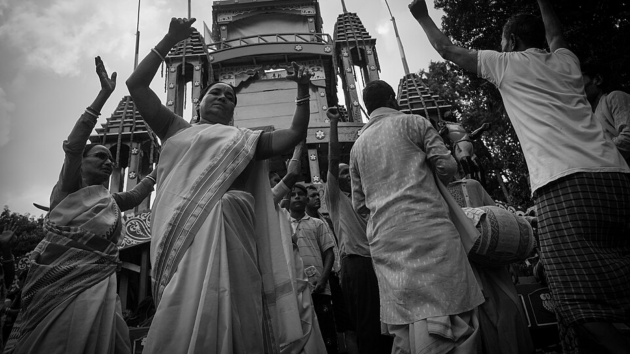
Jatra Became a Tool of Protest: During the Swadeshi movement, Jatra became an important vehicle for spreading political messages and encouraging opposition to British rule. Performances addressed the anti-Partition movement, boycott campaigns and national consciousness, demonstrating how the folk form could communicate political ideas to large popular audiences. (wikimedia commons)
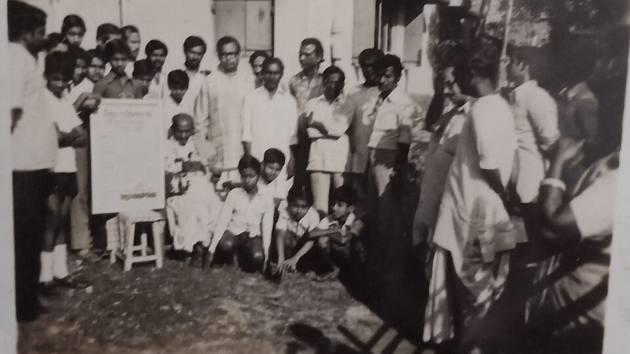
From Village Stages to Modern Jatra: Jatra continued evolving through the 20th century, incorporating spoken dialogue alongside its traditional singing and music and taking up contemporary social and political themes. Radio and television later challenged its popularity, particularly in urban areas, but the tradition survived and experienced periods of revival. Today, it remains an important part of Bengal's living folk-theatre culture. (wikimedia commons)