Journalism of Courage

Apple pie may be one of the most recognisable symbols of American food culture, but its story began across the Atlantic centuries before it became associated with the United States. From a medieval English recipe containing figs and pears to the patriotic phrase “as American as apple pie”, the dessert has travelled a surprisingly long way. (wikimedia commons)
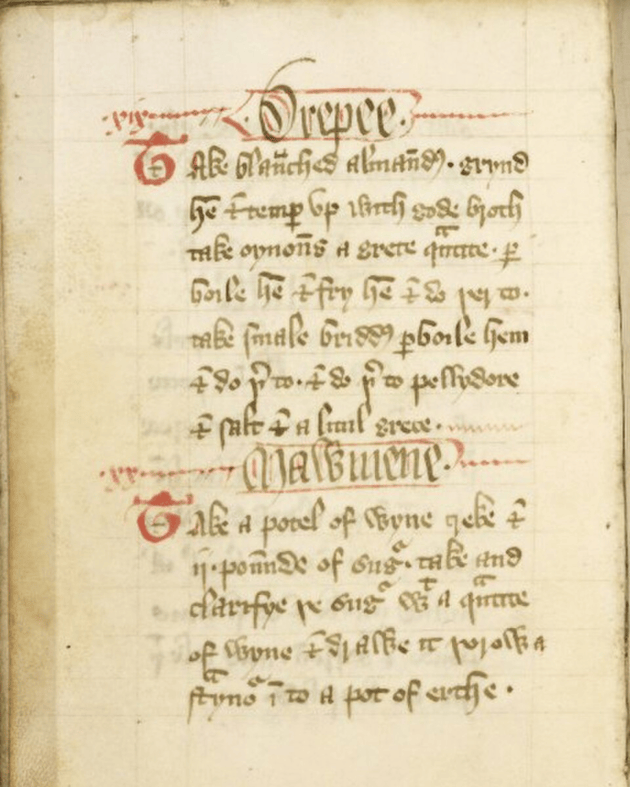
Apple Pie Wasn't Invented in America: Despite its strong association with American culture, apple pie originated in 14th-century England. The earliest known recorded recipe appeared in The Forme of Cury, an English cookbook compiled around 1390 by the cooks of King Richard II. (wikimedia commons)
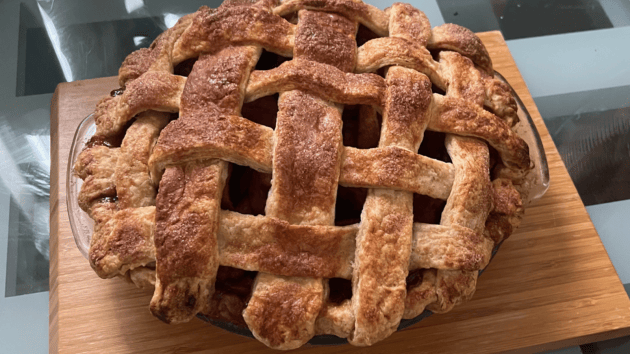
The Original Recipe Was Very Different: The medieval recipe wasn't simply apples baked with sugar and cinnamon. It called for apples, figs, raisins, pears and spices. Surprisingly, there was no added sugar in the recipe, making it quite different from the sweet pie familiar today. (wikimedia commons)
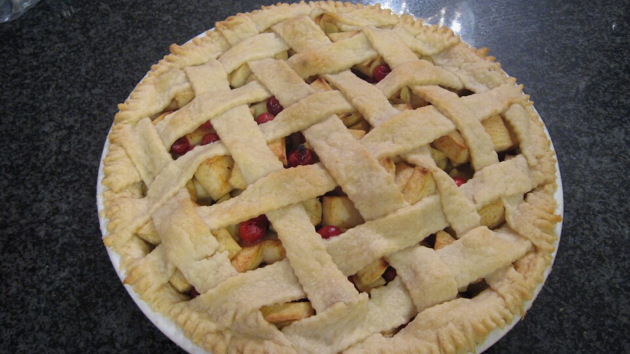
The Crust Was Called a “Coffin”: The fruit mixture was baked inside a hard, lard-based shell known as a “coffin.” Unlike today's golden, flaky pastry, this shell was primarily designed as a container for the filling rather than something meant to be eaten.

It Crossed the Atlantic With Settlers: Apple pie eventually travelled to America with European settlers. The dessert's first recorded mention in the United States appeared in a 1697 diary. By the late 1700s, updated apple-pie recipes were appearing in American Cookery, one of the earliest known American cookbooks. (wikimedia commons)
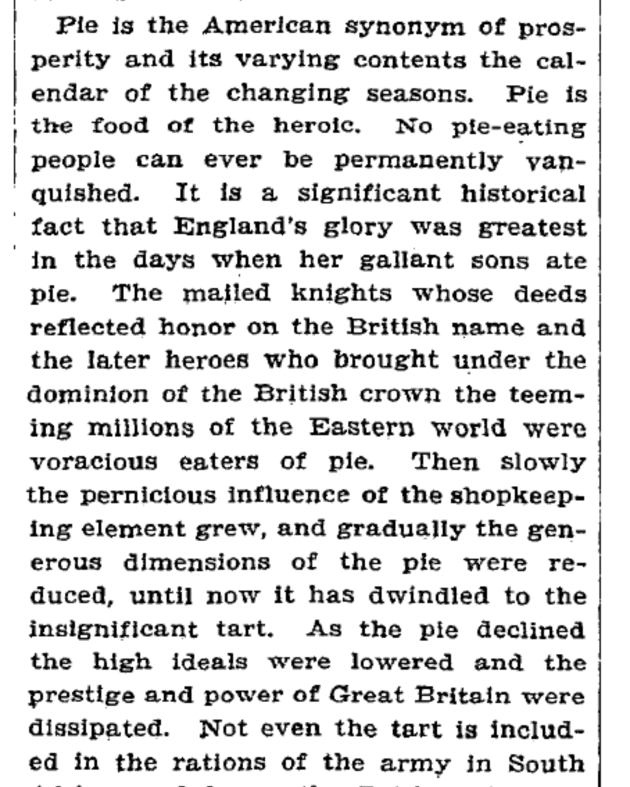
America Helped Turn It Into an Icon: During the 19th century, apple pie became increasingly popular in the United States, helped by the cultivation of thousands of apple varieties by American farmers. But it wasn't until the 20th century that the dessert became a powerful cultural symbol. A 1902 New York Times editorial described it as a symbol of American prosperity. (superheroeseatingfood.com)
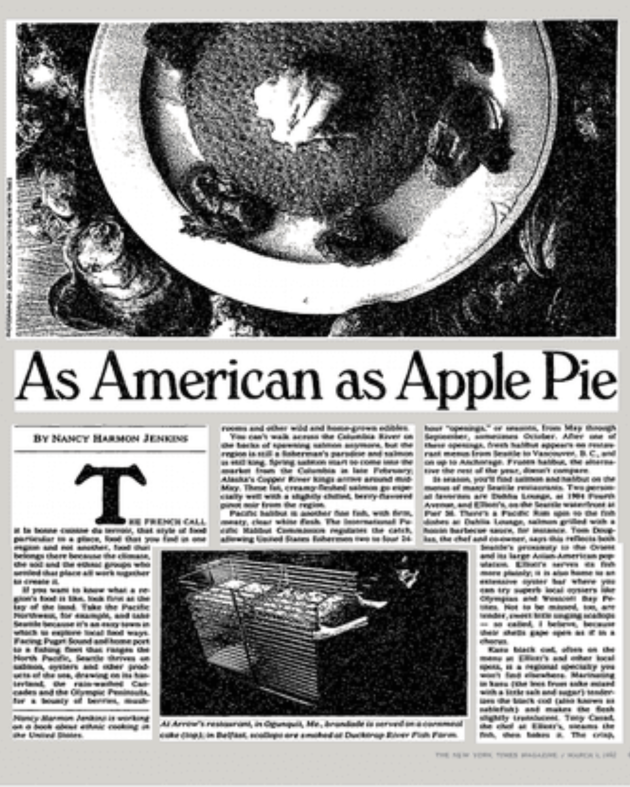
As American as Apple Pie” Came Later: The familiar phrase “as American as apple pie” began appearing in print in the 1920s. Its patriotic image became even stronger during World War II, when American soldiers reportedly said they had enlisted for “mom and apple pie”. A dessert with medieval English origins had, by then, become firmly embedded in American identity. (newyorktimes archive)