Journalism of Courage
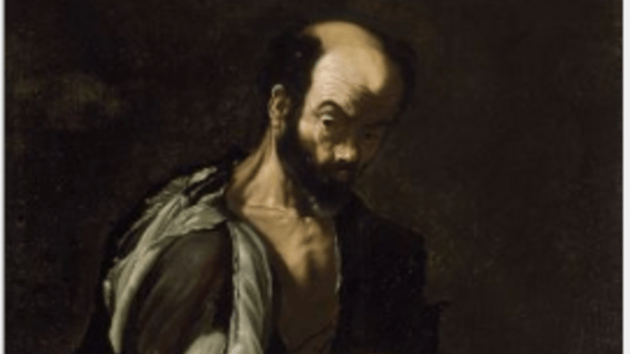
For centuries, readers have delighted in Aesop's Fables, timeless tales featuring talking animals and memorable morals. But the man behind these stories remains an enigma. Historians continue to debate whether Aesop was a real person or a legendary figure whose life became intertwined with folklore. Here's what we know about the mysterious storyteller. (Source: Photo by wikimedia commons )
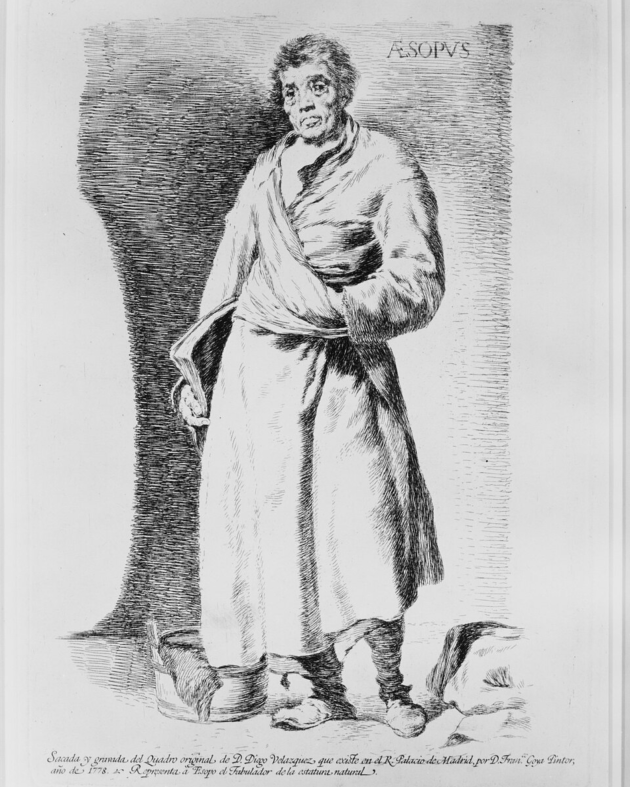
Aesop may have lived in ancient Greece: According to ancient accounts, Aesop is believed to have lived in the 6th century BCE, around the same period as famed rulers such as Croesus of Lydia. He was said to have spent much of his life in the Greek world, although concrete evidence of his existence remains elusive. (Source: Photo by wikimedia commons )
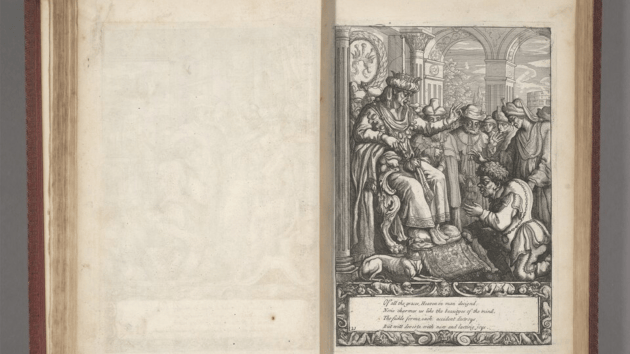
He was reportedly born into slavery: Several ancient writers described Aesop as an enslaved man who eventually gained his freedom. Stories portray him as someone who used wit, intelligence, and storytelling to rise above his circumstances and earn respect among powerful figures. (Source: Photo by wikimedia commons )
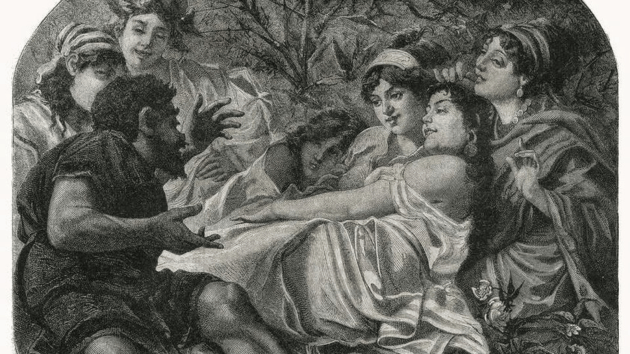
No writings by Aesop survive: One of the biggest mysteries surrounding Aesop is that none of the fables attributed to him were ever written down during his lifetime. The stories circulated orally for centuries before being compiled and recorded by later authors. (Source: Photo by wikimedia commons )
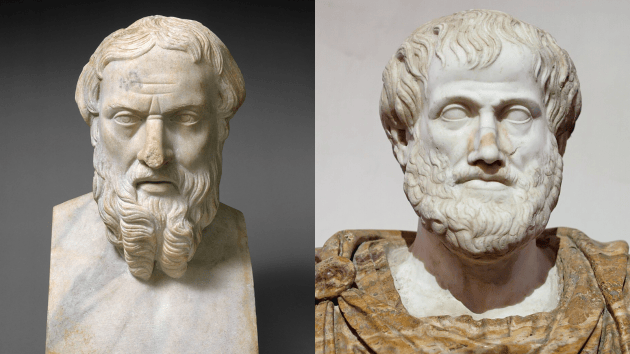
Ancient historians mentioned him: Writers including Herodotus and Aristotle referred to Aesop in their works, suggesting that he may indeed have been a historical figure. However, these references were made long after Aesop was thought to have lived, making it difficult to separate fact from legend. (Source: Photo by wikimedia commons )
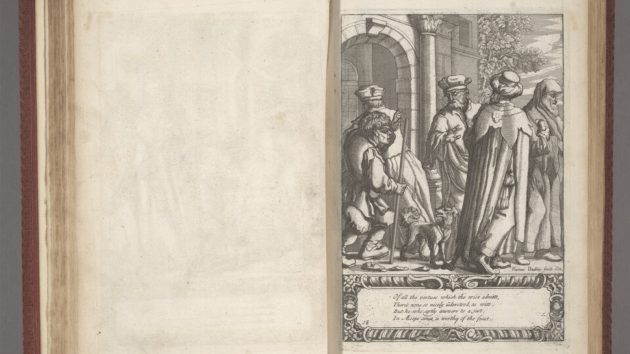
His biography is filled with myths: A later text known as The Life of Aesop portrays him as physically unattractive yet exceptionally clever. Scholars believe many details in this account are fictional, blending history with folklore to create an enduring literary character. (Source: Photo by wikimedia commons )
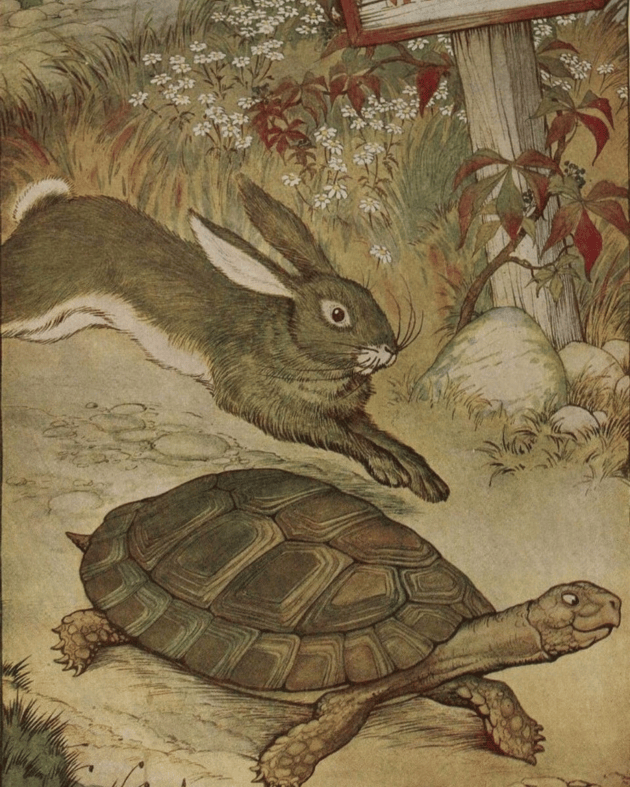
His legacy matters more than certainty: Whether Aesop truly existed or not, the impact of his fables is undeniable. Stories such as The Tortoise and the Hare and The Boy Who Cried Wolf continue to teach lessons about honesty, perseverance, and wisdom to readers around the world. (Source: Photo by wikimedia commons )