Journalism of Courage
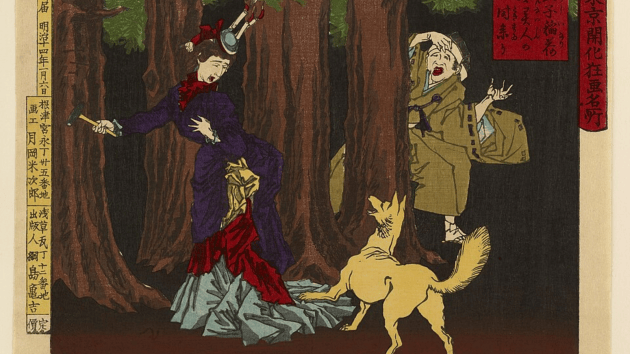
Before streaming, smartphones and video games, people found entertainment in some surprisingly unusual ways. From watching competitive walkers to collecting seaweed and even attending mummy unwrapping events, these forgotten pastimes reveal just how differently people once spent their free time. (wikimedia commons)
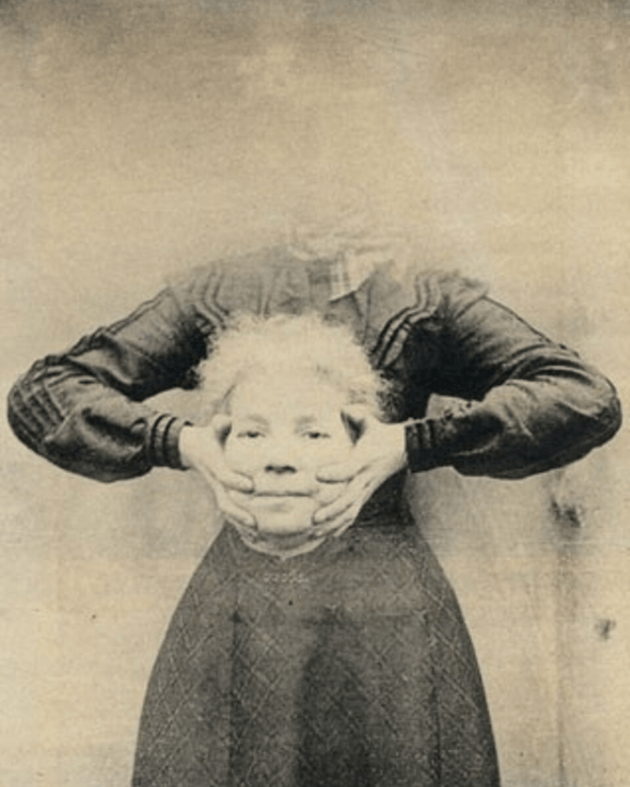
Headless Portraits: Victorian audiences had a taste for the macabre, and headless photographs became an entertaining photographic novelty. Photographers such as Samuel Kay Balbirnie created the illusion by combining separate images of a person's body and head, making it appear as though the subject was holding their own severed head. (wikimedia commons)
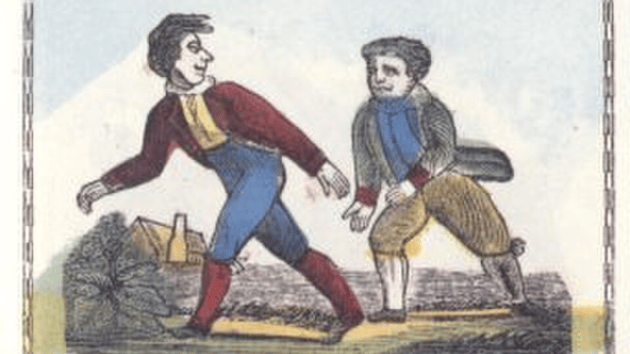
Competitive Walking: In the 19th century, people could fill arenas simply to watch professional walkers compete. Known as pedestrianism, the sport became particularly popular in the U.S. during the 1870s, with competitors walking hundreds of miles over several days while spectators ate, listened to music and placed bets. (wikimedia commons)
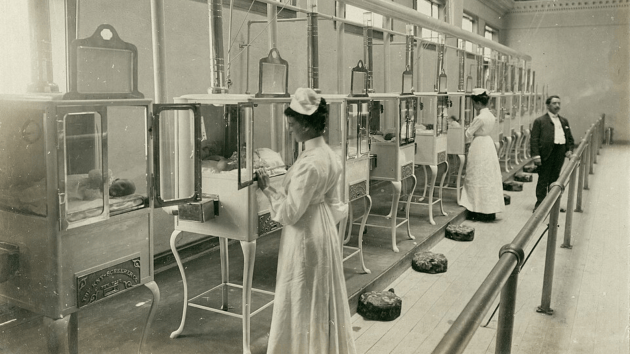
Incubator Baby Fairs: One of the strangest historical spectacles was the incubator baby exhibition. Beginning in the late 19th century, premature babies were displayed in glass incubators at public fairs, including attractions at Coney Island. Visitors paid admission, and the proceeds helped fund the medical care the babies needed at a time when dedicated premature care units were rare. (wikimedia commons)
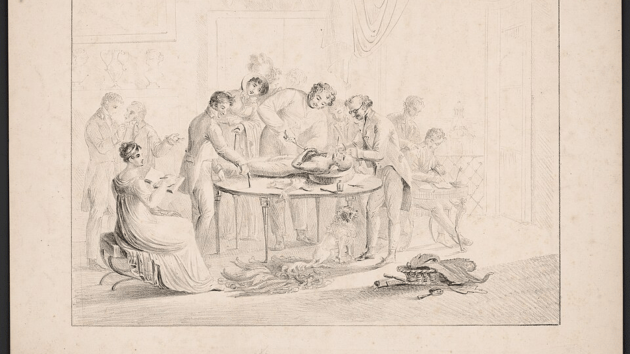
Mummy Unrollings: During the 19th-century fascination with ancient Egypt, “mummy unrollings” became a bizarre form of entertainment in Victorian England. Guests gathered at private homes, hospitals and scientific institutions to watch Egyptian mummies being unwrapped, sometimes revealing preserved hair, skin and amulets. (wikimedia commons)

Seaweed Scrapbooking: Seaweed collecting became a surprisingly fashionable 19th-century hobby, particularly among women. Collectors gathered colourful seaweed from beaches, carefully dried and pressed it, then arranged the specimens in elaborate scrapbooks. The finished pages often looked like delicate botanical artworks. (wikimedia commons)
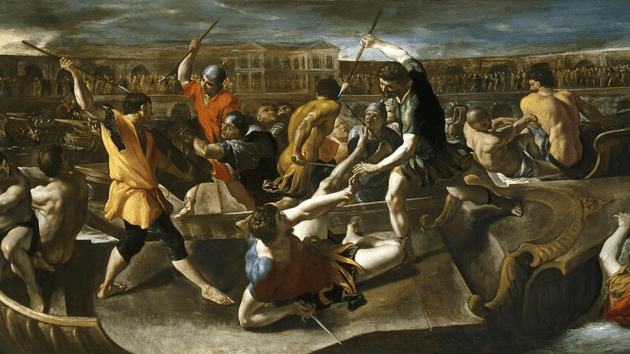
Staged Sea Battles: Ancient Romans didn't just watch gladiators, they also enjoyed naumachia, enormous mock naval battles. Artificial lakes and flooded arenas were used to stage spectacular fights involving thousands of participants. The earliest recorded event took place under Julius Caesar in 46 CE.