Journalism of Courage

Many objects we use every day have origins that are far more unexpected than we might imagine. From air conditioning being developed to protect a printing press to Kleenex emerging from wartime technology, these familiar items have fascinating stories behind them. (unsplash)

Disposable Diapers Began at a Kitchen Table: In 1947, Valerie Hunter Gordon was frustrated with washing cloth diapers while expecting her third child. She created a reusable outer layer with an absorbent gauze insert, using nylon from a parachute obtained through her husband's army connections. She called the invention the “Paddi” and eventually patented it, laying the groundwork for modern disposable diapers. (unsplash)
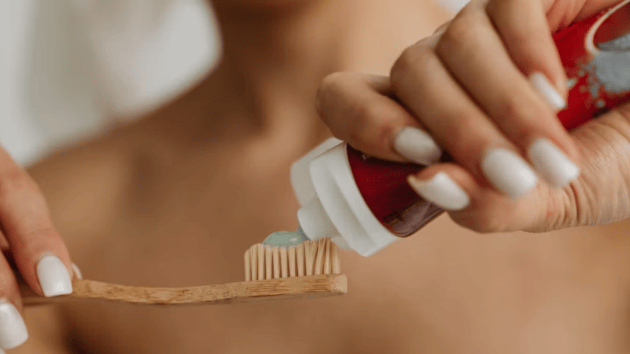
Toothbrushes Once Used Hog Hair: Before modern nylon bristles, toothbrushes could be made with stiff hog or horse hair. The bristle brush emerged in China in the late 15th century, with early versions using hog hair set into bone or bamboo handles. Nylon eventually transformed toothbrushes in the 1930s, although early synthetic bristles were considered too stiff and abrasive. (unsplash)
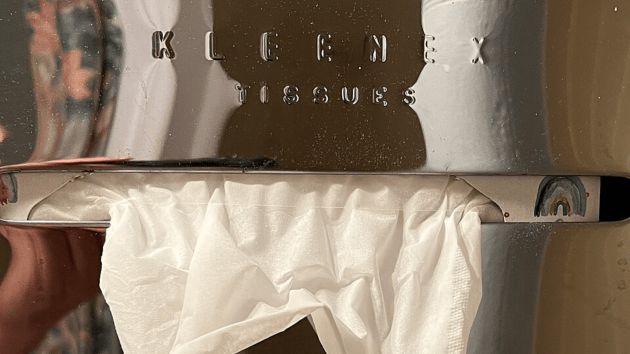
Kleenex Began as Wartime Material: Kleenex has its roots in World War I-era technology. Kimberly-Clark developed a wood-pulp material called cellucotton as a substitute for cotton, which was used for bandages and gas-mask filters. After the war, the material was adapted into products including Kotex sanitary pads and, in 1924, the thinner and softer tissue that became Kleenex. (wikimedia commons)

The First Barcode Began in the Sand: In 1948, inventor Joseph Woodland was trying to solve a supermarket checkout problem when he found inspiration on Miami Beach. Drawing in the sand with his fingers, he imagined elongated bars inspired by Morse code. His early design eventually helped lead to the rectangular barcodes used in stores today. (wikimedia commons)
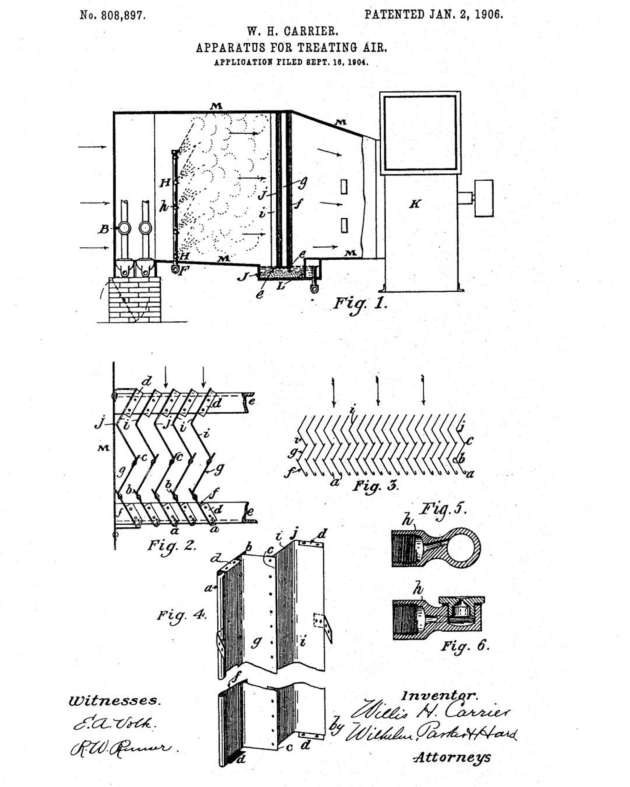
Air Conditioning Was Made for a Printing Press: Modern air conditioning began with a problem at a printing plant. In 1902, engineer Willis Carrier was asked to control humidity at a printing company in Buffalo, New York, because fluctuations were affecting paper and ink. His Apparatus for Treating Air used coils and an industrial fan, laying the foundation for modern air conditioning. (facebook: HVAC School)

Wi-Fi Has a Hollywood Connection: Hollywood star Hedy Lamarr. During World War II, Lamarr and composer George Antheil developed a “frequency hopping” system designed to prevent enemy forces from interfering with torpedo signals. Their work is widely regarded as a precursor to technologies including Wi-Fi, GPS and Bluetooth. (wikimedia commons)